
eth.
How to groom your pet at home: Setting Up Your Dedicated Grooming Station
The first step in successful at-home pet grooming is establishing a suitable environment. This means selecting a quiet, well-lit area where your pet feels secure and you have enough space to work without feeling rushed. For instance, a bathroom or a utility room can work well. Ensure the surface is non-slip to prevent accidents.
Last updated: May 22, 2026
Consider the tools you’ll need. This includes various brushes suited to your pet’s coat type, a pet-specific shampoo, nail clippers, a styptic powder in case of accidental cuts, ear cleaning solution, and cotton balls. Having everything within reach before you start prevents interruptions that can stress your pet.
Decoding Your Pet’s Coat: The Foundation of Grooming
Pets have vastly different coat types, and understanding yours is paramount to effective grooming. Long-haired breeds may require daily brushing to prevent mats, while short-haired pets might only need weekly attention. For example, a German Shepherd benefits from a slicker brush and an undercoat rake, whereas a Siamese cat might do well with a fine-toothed comb or a grooming mitt.
Improper brushing can lead to discomfort, skin irritation, or even damage to the coat. According to the American Kennel Club (AKC) guidelines, matching the right brush to the coat is essential for removing loose hair, preventing tangles, and distributing natural oils for a healthy sheen. Failing to use the correct tools is a common mistake that owners make, leading to frustration for both parties.
Brushing and Combing Techniques
When brushing, always start from the head and work your way down towards the tail, using gentle, sweeping motions. For pets with thick undercoats, use an undercoat rake to gently remove loose fur. If you encounter a tangle, don’t yank. Instead, try to gently tease it apart with your fingers or a detangling spray. For long-haired breeds, parting the fur and brushing section by section can be more effective.
A common mistake is over-brushing or brushing too aggressively, which can strip natural oils and irritate the skin. For pets with wiry coats, a pin brush followed by a bristle brush can help maintain their texture. Always finish with a gentle petting session to reinforce positive associations with grooming.
Bathing Your Pet: More Than Just a Quick Wash
Bathing is a crucial part of at-home pet grooming, but it’s often done incorrectly. The frequency of baths depends on your pet’s breed, activity level, and skin condition. Over-bathing can strip natural oils, leading to dry, itchy skin, while infrequent bathing allows dirt and grime to build up, potentially causing infections.
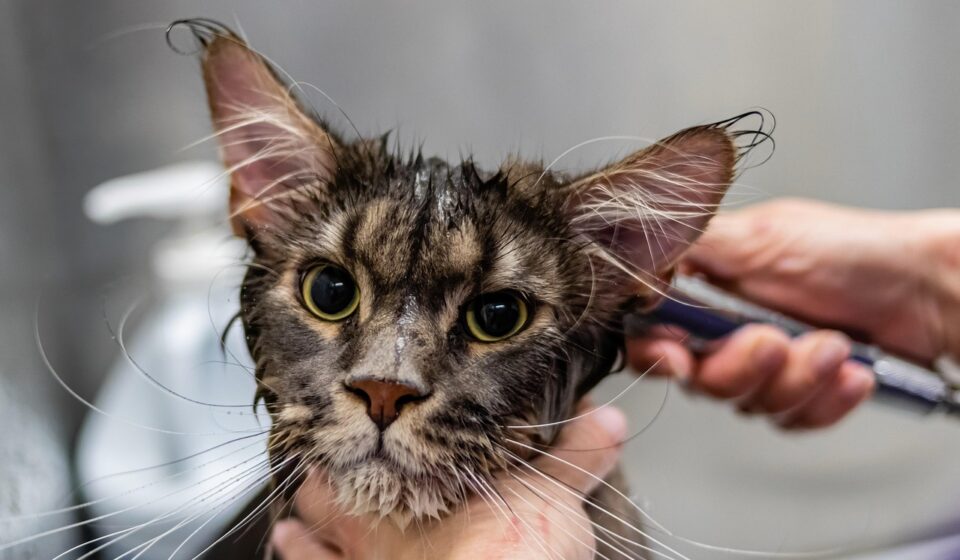
Always use a pet-specific shampoo; human shampoos have the wrong pH balance and can irritate your pet’s skin. Before bathing, thoroughly brush your pet to remove loose hair and tangles, as water can tighten knots, making them harder to remove and potentially causing pain. A major pitfall is getting water or shampoo into your pet’s eyes or ears, which can lead to irritation or infections. Use a wash cloth to gently clean around the face and cotton balls (loosely inserted) to protect the ear canals.
Drying and Rinsing Properly
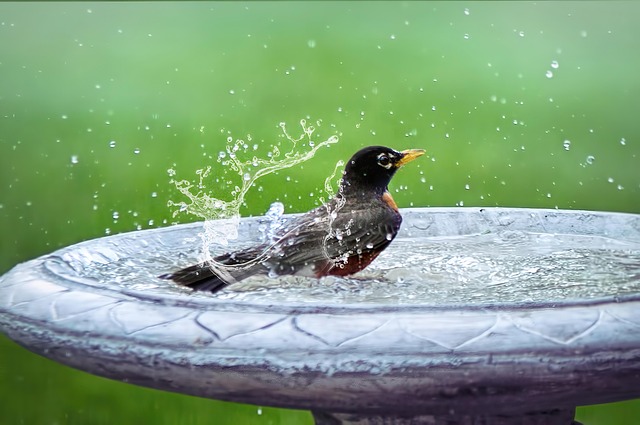
Rinsing thoroughly is as important as washing. Shampoo residue left on the coat can cause skin irritation and dullness. Spend extra time rinsing, ensuring the water runs clear. For drying, a towel dry is usually sufficient for most pets. However, for long-haired breeds, a hairdryer on a cool setting can be used, held at a safe distance to avoid burns.
A frequent mistake is using a hot hairdryer setting. This can easily burn your pet’s skin. Always test the air temperature on your own hand first. Some pets may be frightened by the noise of a hairdryer; in such cases, stick to towel drying and allow them to air dry in a warm environment.
Nail Care: A Often-Overlooked Essential
Trimming your pet’s nails is vital for their comfort and health, preventing overgrowth that can lead to pain, difficulty walking, and even skeletal issues. Many owners shy away from nail trimming, fearing they will cut the quick – the sensitive part of the nail containing blood vessels and nerves. This fear is understandable, as cutting the quick is painful and can cause bleeding.
To avoid this, use sharp, high-quality nail clippers designed for pets. Identify the quick by looking at the nail; in light-colored nails, it appears as a pinkish area. In dark nails, it’s harder to see, so it’s safer to trim small amounts at a time. Keep styptic powder or cornstarch readily available to stop any minor bleeding if you accidentally cut the quick. If your pet’s nails are severely overgrown, consult a veterinarian or professional groomer for guidance.
Ear and Dental Care: Preventing Infections and Decay
Ear cleaning is a critical part of grooming, especially for breeds prone to ear infections. Regularly check your pet’s ears for redness, odor, or excessive wax buildup. Use a veterinarian-approved ear cleaning solution and cotton balls (never swabs, which can push debris further into the ear canal). Gently wipe the visible parts of the ear canal.
Similarly, dental hygiene is often neglected. Brushing your pet’s teeth regularly with pet-specific toothpaste and a soft-bristled brush can prevent plaque buildup, gum disease, and tooth loss. Introducing dental care early can make the process easier. According to the American Veterinary Dental College (AVDC) as of 2026, regular oral hygiene can prevent up to 80% of dental disease in pets. Failing to address dental health can lead to systemic health issues, impacting organs like the heart and kidneys.
Common Pet Grooming Mistakes and How to Sidestep Them
One of the most frequent errors pet owners make is rushing the grooming process. Pets can sense anxiety and impatience, making them more likely to resist future grooming sessions. Always approach grooming with patience and positive reinforcement. Offer treats and praise throughout the process.
Another mistake is using the wrong tools or products. As noted, human shampoos and conditioners can harm pet skin. Similarly, dull nail clippers can crush the nail rather than cutting it cleanly, causing pain and potential damage. Investing in quality grooming tools specifically designed for pets is a worthwhile expense.
Forgetting to check for parasites like fleas and ticks during grooming is also common. Make it a habit to scan your pet’s skin and fur thoroughly during brushing and bathing. Early detection can prevent infestations and the diseases they carry. A quick once-over for lumps, bumps, or skin irritations is also part of a complete grooming routine.
Positive Reinforcement: Making Grooming a Positive Experience
To make how to groom your pet at home a stress-free endeavor, positive reinforcement is key. Start grooming sessions when your pet is calm and relaxed. Introduce tools gradually, allowing your pet to sniff and investigate them without pressure. Pair each tool with a high-value treat or praise.
Keep sessions short, especially at first, and end on a positive note, even if you didn’t accomplish everything. For example, if your pet tolerates brushing for just a few minutes before showing signs of stress, stop and reward them. Gradually increase the duration as they become more comfortable. This approach builds confidence and trust, making future grooming much easier.
Tailoring Grooming to Specific Needs and Breeds
Some pets have unique grooming requirements. Senior pets or those with medical conditions may need gentler handling and shorter grooming sessions. Puppies and kittens should be socialized to grooming from a young age to build positive associations. Breeds with specific needs, like those prone to tear stains or skin folds, require tailored care.
For example, breeds with facial folds, such as Pugs or Bulldogs, need their folds cleaned regularly to prevent moisture buildup and infection. Similarly, dogs with long ears, like Basset Hounds, require frequent ear checks and cleaning to prevent infections. Understanding these breed-specific needs is part of complete pet ownership.
Knowing When to Call a Professional
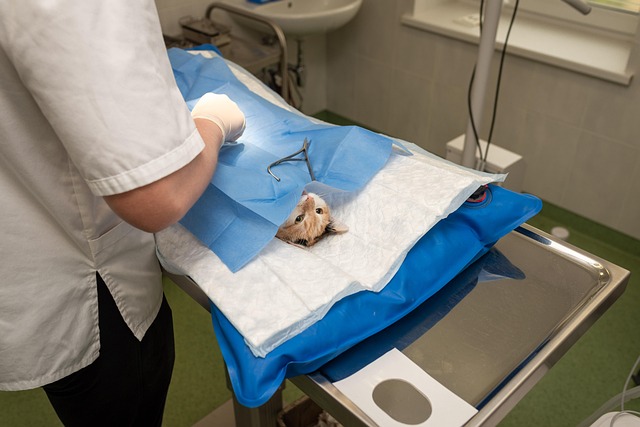
While grooming at home is beneficial, there are times when professional help is necessary. If your pet has severe matting, skin conditions, or extreme anxiety around grooming, a professional groomer has the expertise and specialized tools to handle these situations safely. They can also provide advice tailored to your pet’s specific needs.
The cost of professional grooming can vary widely, typically ranging from $50 to $150 or more, depending on the pet’s size, breed, and the services required. For instance, a full groom for a large, long-haired dog with significant matting will naturally cost more than a simple bath and brush for a short-haired cat. While DIY grooming can save money, prioritizing your pet’s safety and comfort is paramount. According to Paw Vortex data from 2025, many owners find that while home grooming saves money, infrequent professional grooms can still be beneficial for complex needs.
Frequently Asked Questions
How often should I groom my pet at home?
The frequency depends on your pet’s breed, coat type, and activity level. Generally, brushing can range from daily for long-haired breeds to weekly for short-haired ones. Baths are typically needed every 4–12 weeks, and nail trims every 3–6 weeks, or as needed.
What are the essential grooming tools for a beginner?
For beginners, essential tools include a good quality brush or comb appropriate for your pet’s coat, a pet-specific shampoo, nail clippers, a styptic powder for emergencies, and cotton balls for ear cleaning. Having these basics ensures you can handle most routine grooming tasks.
Can grooming at home really save money?
Yes, regular home grooming can significantly reduce the costs associated with professional grooming services, which can range from $50 to over $150 per session. However, it requires an initial investment in tools and your time.
What’s the biggest mistake people make when grooming their pet at home?
The most common mistake is rushing the process or using improper techniques and tools, leading to stress for the pet and potential injury. Patience, positive reinforcement, and using pet-specific products are crucial for success.
How do I stop my pet from being scared during grooming?
Introduce grooming tools gradually and pair them with positive experiences like treats and praise. Keep sessions short, end on a positive note, and never force your pet. Gradually increase the duration as they become more comfortable and trusting.
When should I seek professional grooming services?
Seek professional help if your pet has severe matting, extreme anxiety, or complex skin conditions. Professionals have the expertise and equipment to handle challenging cases safely and effectively.
Information current as of May 2026; pricing and product details may change.
Related read: How to Take Care of a Dog: Essential 2026 Guide
Editorial Note: This article was researched and written by the Pet Magazine editorial team. We fact-check our content and update it regularly. For questions or corrections, contact us. For readers asking “How to groom your pet at home”, the answer comes down to the specific factors covered above.
About The Author