
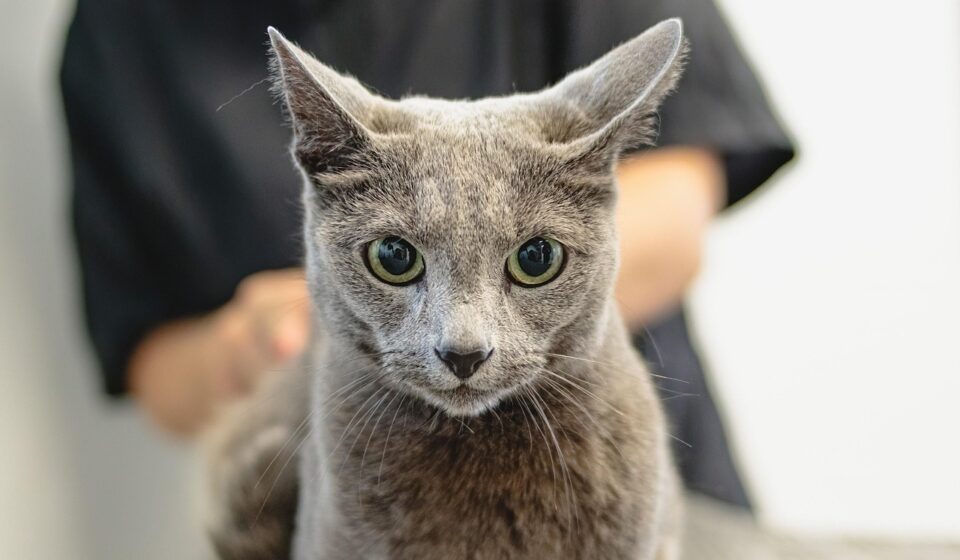

A Cat’s Grooming Ritual: A Familiar Scene
Whiskers twitching, a luxurious stretch, and then a meticulous cleaning session cats are renowned for their self-grooming habits, but as of May 2026, relying solely on your feline friend’s natural instincts isn’t always enough. Regular grooming at home by their human companions is essential for maintaining their health, comfort, and overall well-being. For anyone working through the question of ‘how to groom a cat at home,’ understanding the ‘why’ and ‘how’ is the first step towards a stress-free experience for both you and your pet.
Last updated: May 30, 2026
Practically speaking, a well-groomed cat is often a healthier cat. Beyond the aesthetic appeal of a clean coat, home grooming sessions offer a prime opportunity to spot potential health issues early, from skin irritations and parasites to lumps or injuries. This guide will walk you through the essential aspects of cat grooming, turning a potentially daunting task into a manageable and even bonding experience.
Key Takeaways
- Regular grooming is vital for your cat’s health, helping to detect issues like parasites or skin problems early.
- The frequency of grooming depends on your cat’s coat length and breed; long-haired cats require daily attention, while short-haired cats may only need weekly brushing.
- Essential grooming tools include a quality brush, cat-specific nail clippers, pet-safe shampoo (if bathing), and a gentle ear cleaner.
- Creating a positive grooming experience involves starting young, using positive reinforcement, and keeping sessions short and calm.
- Always consult your veterinarian if you notice significant changes in your cat’s coat, skin, or if they exhibit pain during grooming.
Why Home Grooming is More Than Just a Pretty Coat
Grooming your cat at home extends beyond maintaining their sleek appearance; it’s a vital component of their overall health and well-being. Regular grooming sessions allow you to monitor your cat s skin, coat, and general physical condition. This proactive approach can help catch health issues like fleas, ticks, skin infections, or even early-stage cancers before they become severe problems. For instance, a consistent check of their coat might reveal a new bald spot or unusual redness, prompting a visit to the vet.
What this means in practice is that a few minutes spent brushing or checking your cat’s ears can save significant veterinary costs and distress down the line. It’s a proactive measure that contributes directly to a longer, healthier life for your feline companion. According to the American Veterinary Medical Association (AVMA) (2025), early detection of health issues through regular owner observation significantly improves treatment outcomes for many common feline ailments.

Essential Cat Grooming Tools for Every Owner
To effectively groom your cat at home, having the right tools is paramount. For short-haired breeds, a good quality slicker brush or a grooming mitt can work wonders for removing loose fur and distributing natural oils. Long-haired cats, however, benefit greatly from a combination of tools: a metal comb with widely spaced teeth to detangle, followed by a slicker brush to remove finer loose hair. A de-shedding tool, used sparingly and gently, can also be highly effective for breeds prone to heavy shedding.
For nail trimming, opt for cat-specific clippers. There are two main types: scissor-style and guillotine-style. Both work effectively, but personal preference and the cat’s nail size often dictate the best choice. Ensure they are sharp to avoid crushing the nail, which can be painful.
If your cat tolerates it, a cat-specific toothbrush and enzymatic toothpaste are essential for dental hygiene. For ear cleaning, a veterinary-approved ear cleaner and cotton balls (never swabs) are necessary. If bathing is required, use a shampoo formulated specifically for cats; human shampoos can strip their skin of natural oils.
Creating a Positive Grooming Experience for Your Feline
The key to successful home grooming lies in making it a positive experience for your cat. Start this process when your cat is young, if possible, to help them become accustomed to handling. If you have an older cat who is not used to grooming, introduce it gradually. Begin with short sessions, perhaps just a minute or two of gentle petting with a brush, and reward them with treats and praise immediately afterward.
From a different angle, understanding feline body language is crucial. Signs of stress include flattened ears, a twitching tail, dilated pupils, or vocalizations. If your cat shows these signs, end the session calmly and try again later. Focus on one area at a time, and always stop before your cat becomes overly stressed. Positive reinforcement, such as high-value treats or their favorite toy, can create positive associations with grooming activities. A calm, quiet environment free from distractions also helps immensely.
Brushing Techniques for Different Coat Types
The technique for brushing your cat will vary significantly based on their coat length and type. For short-haired cats, a quick weekly brushing with a slicker brush or grooming mitt is often sufficient to remove loose fur and prevent hairballs. Brush in the direction of hair growth, applying gentle pressure.
Long-haired cats, such as Persians or Maine Coons, require more diligent care. Daily brushing is ideal to prevent tangles and mats from forming, which can be painful and lead to skin problems. Start by using a wide-toothed comb to gently work out any knots, holding the fur at the base to avoid pulling on the skin. Follow up with a slicker brush to remove any remaining loose undercoat.
Special attention should be paid to areas prone to matting, like the armpits, belly, and behind the ears. If you encounter a stubborn mat, never try to cut it out with scissors, as this poses a significant risk of injury. Instead, use a detangling spray and a comb, or seek professional grooming assistance.
According to Pet Industry Market Size (2025 data), the pet grooming market continues to grow, indicating an increasing number of owners are opting for home-based care, highlighting the need for effective techniques.
Nail Trimming Basics for Safer Paws
Trimming your cat’s nails is essential for preventing overgrowth, ingrown nails, and damage to furniture. The best time to trim nails is when your cat is relaxed, perhaps after a meal or during a quiet moment. Gently take one paw and press lightly on the toe pad to extend the nail.
You will see a pink area inside the nail called the quick, which contains blood vessels and nerves. Only trim the tip of the nail, beyond the quick. If you accidentally cut the quick, it will bleed; apply styptic powder or cornstarch to stop the bleeding. If your cat’s particularly anxious about nail trims, start by trimming just one or two nails per session and gradually increase as they become more comfortable. Always use sharp, cat-specific nail clippers. If you are hesitant or your cat is very resistant, your veterinarian or a professional groomer can demonstrate the technique or perform the trimming for you.
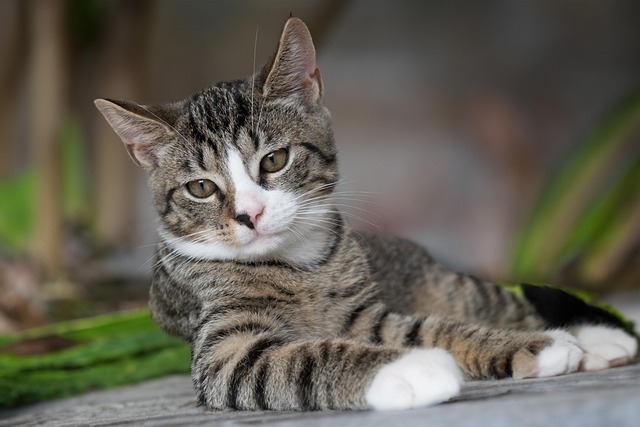
Bathing Your Cat: When and How to Do It Right
Most cats are fastidious groomers and rarely require full baths. However, there are instances when a bath’s necessary: if your cat gets into something sticky or toxic, has a skin condition requiring medicated baths, or is unable to groom themselves effectively due to age or illness. If a bath is needed, prepare everything in advance.
Use lukewarm water and a cat-specific shampoo. Fill a sink or tub with just a few inches of water. Gently place your cat in the water and talk to them soothingly. Wet their coat thoroughly, avoiding their face and ears. Lather the shampoo, working from neck to tail, and rinse completely.
Dry them with a soft towel, and if they tolerate it, a hairdryer on a low, cool setting can be used from a distance. Remember, the goal is to get them clean and dry as quickly and calmly as possible. Many owners find that having a second person to help hold and soothe the cat makes the process much smoother. It’s also a good idea to trim their nails before the bath to minimize potential scratches.
Cleaning Eyes, Ears, and Teeth for Complete Care
Regular checks and cleaning of your cat’s eyes, ears, and teeth are vital parts of at-home grooming. For eyes, use a soft, damp cloth or a pet-safe wipe to gently clean away any discharge or crusts from the corners of the eyes. Wipe away from the inner corner of the eye outward. If you notice excessive tearing, redness, or discharge, consult your veterinarian.
Ear cleaning should be done cautiously. Healthy cat ears are typically clean and free of strong odors. If you notice dirt, wax buildup, or a foul smell, it’s time for a clean. Apply a veterinarian-approved ear cleaning solution to a cotton ball (never insert anything directly into the ear canal) and gently wipe the visible parts of the ear.
Excessive wax or a dark, crumbly discharge could indicate an infection and requires veterinary attention. As of May 2026, dental care remains a cornerstone of preventative health; brushing your cat’s teeth a few times a week with cat-specific toothpaste can prevent periodontal disease. Introduce the toothbrush and paste gradually, letting them lick the paste off your finger first.
Troubleshooting Common Grooming Challenges
One of the most common challenges is dealing with mats in long-haired cats. As mentioned, never cut them out with scissors. Instead, try a detangling spray and a comb or a specialized mat splitter tool. For very severe matting, a professional groomer or veterinarian may need to shave the affected areas.
If your cat is extremely resistant to nail trims, consider starting with just one nail a day or using a calming supplement after consulting your vet. For bath-averse cats, focus on making the experience as short and positive as possible, perhaps by making it a two-person job or rewarding heavily with treats. If your cat shows signs of aggression or extreme fear, don’t force the issue; seek professional help.
Many owners also struggle with getting their cats used to grooming. The key is patience and consistency. Incorporate grooming into your cat’s daily routine, even if it’s just a few strokes of the brush. Make sure to associate grooming with positive experiences, like meal times or petting. If grooming becomes a battle, it indicates that the cat is too stressed, and you need to dial back the intensity and duration of your sessions.
Expert Tips for a Happier Grooming Routine
For the best results, always use tools designed specifically for cats; dog grooming tools can be too harsh. Speak to your veterinarian about the best brushing frequency for your cat’s specific breed and coat type. For example, Siamese cats with short, dense coats may only need brushing once a week, while a Persian requires daily attention. Investing in a good quality brush can make a significant difference in effectiveness and your cat’s comfort.
Consider puzzle feeders or lick mats with a small amount of wet food or treat paste to distract your cat during longer grooming sessions, especially for nail trims or baths. This can help create a positive association and keep them occupied. Remember that grooming is not just about appearance; it’s a vital health maintenance activity that strengthens the human-animal bond. A routine check of your cat’s skin, coat, ears, eyes, and teeth during grooming can help you catch potential health problems early, leading to better long-term health outcomes. The American Association of Feline Practitioners (AAFP) (2024) emphasizes the role of owner observation in feline wellness.
Frequently Asked Questions About Cat Grooming
How often should I groom my cat?
The frequency depends on coat length. Short-haired cats typically need brushing once or twice a week, while long-haired cats benefit from daily grooming to prevent mats and tangles.
What are the best grooming tools for a cat?
Essential tools include a slicker brush or grooming mitt for short coats, a wide-toothed comb and slicker brush for long coats, cat-specific nail clippers, and a cat-safe shampoo if bathing is needed.
Is it okay to give my cat a bath?
Most cats don’t need baths unless they get into something messy or have a medical condition. If you must bathe your cat, use lukewarm water and cat-specific shampoo, keeping the process calm and quick.
How do I stop my cat from biting during grooming?
Start grooming young, use positive reinforcement with treats, keep sessions short, and stop if your cat shows signs of stress. If biting persists, consult a veterinarian or professional groomer.
When should I take my cat to a professional groomer?
Consider professional grooming for severe matting, if your cat is extremely uncooperative, or if you need help with techniques like de-shedding or sanitary trims.
What if I cut my cat’s nail too short and it bleeds?
Apply styptic powder or cornstarch to the bleeding nail tip to help stop the bleeding. If bleeding is severe or doesn’t stop, contact your veterinarian immediately.
Information current as of May 2026; pricing and product details may change.
Source: Britannica
Editorial Note: This article was researched and written by the Pet Magazine editorial team. We fact-check our content and update it regularly. For questions or corrections, contact us. For readers asking “How to groom a cat at home”, the answer comes down to the specific factors covered above.
Related read: Cat Chin Mites: What You Need to Know in 2026.




About The Author