
Best Dog Breeds for First-Time Owners in 2026
This guide covers everything about best dog breeds for first time owners. Bringing your first dog home is a monumental decision, filled with excitement and a touch of apprehension. As of May 2026, navigating the vast area of canine companions can feel overwhelming, especially when aiming for a stress-free introduction to pet parenthood. The key to success lies in selecting a breed whose temperament, energy levels, and training needs align with your lifestyle and experience. Fortunately, numerous breeds are known for their adaptability and forgiving nature, making them ideal choices for those embarking on this rewarding journey.
Last updated: May 19, 2026
- Certain breeds are naturally more suited for novice owners due to their temperament and trainability.
- Consider factors like energy levels, grooming needs, and size when choosing your first dog.
- Popular choices like Golden Retrievers and Labrador Retrievers offer consistent reliability for new owners.
- Even with ‘easy’ breeds, commitment to training, socialization, and care is essential.
- Thorough research and consulting with breeders or rescue organizations are vital steps.
Why Choosing the Right Breed is Crucial for New Owners
For first-time dog owners, selecting a breed known for a stable temperament and eagerness to please can significantly ease the transition. These dogs are often more resilient to minor training missteps and can adapt more readily to new environments and routines. Breeds with lower exercise demands and moderate grooming needs also contribute to a less demanding initial experience, which helps build confidence and fosters a stronger bond from the outset.
What this means in practice is that a breed like the Bichon Frisé, with its cheerful disposition and manageable grooming, is often a better starting point than a high-energy terrier with complex coat care requirements. Understanding these core differences prevents potential overwhelm and sets the stage for a long-lasting, happy companionship. The American Kennel Club (AKC) notes that while all dogs require commitment, certain breeds are consistently recommended for their suitability for novice handlers.

Top Dog Breeds for First-Time Owners in 2026
When considering the best dog breeds for first time owners, several consistently rise to the top due to their inherent qualities. These breeds generally possess a combination of friendly temperaments, trainability, and a desire to be part of the family.
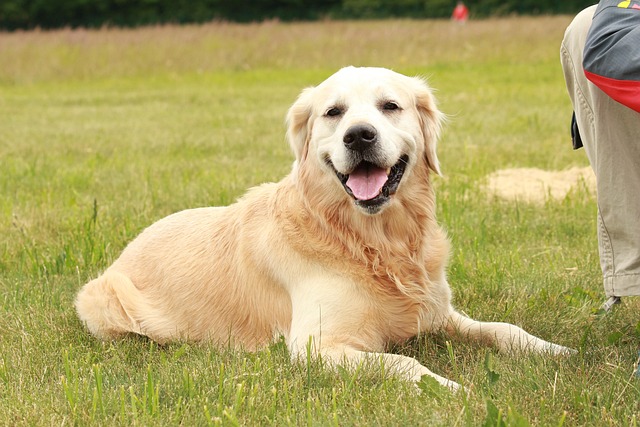
Golden Retriever
The Golden Retriever is a perennial favorite for a reason. These intelligent, devoted, and friendly dogs are incredibly eager to please, making them highly trainable. Their patient nature and gentle disposition make them excellent companions for families with children, and they generally get along well with other pets.
Golden Retrievers do require regular exercise and mental stimulation to prevent boredom and potential destructive behaviors. Their beautiful coat needs consistent grooming, typically a good brushing several times a week. According to the AKC, their lifespan averages 10 to 12 years, and they’re known for their strong health when provided with proper care.
Labrador Retriever
Similar to Goldens, Labrador Retrievers are renowned for their outgoing, amiable, and high-spirited nature. They are exceptionally trainable, excelling in obedience and eager to participate in family activities. Their adaptability means they can thrive in various home environments, provided they receive sufficient exercise.
Labs have a strong need for physical activity, enjoying activities like swimming, fetch, and long walks; without adequate outlets, they can become restless. Their short, dense coat is relatively low-maintenance, requiring only weekly brushing. The average lifespan for a Labrador is 10 to 12 years.
Cavalier King Charles Spaniel
For those seeking a smaller companion, the Cavalier King Charles Spaniel offers a delightful blend of affection and adaptability. These dogs are known for their gentle, loving nature and are content with moderate exercise, making them well-suited for apartment living. They thrive on human companionship and are rarely aggressive.
While their exercise needs are moderate, they do enjoy daily walks and playtime. Their silky coat requires regular brushing to prevent matting. Cavaliers can be prone to certain genetic health conditions, so choosing a reputable breeder who screens for these issues is important. Their lifespan is typically 12 to 15 years.
Bichon Frisé
The Bichon Frisé is a small, cheerful dog with a playful and affectionate personality. Their small size makes them ideal for apartment dwellers or those with limited space. They are known for being social butterflies, getting along well with people, children, and other pets. Their hypoallergenic coat is a significant draw for allergy sufferers.
However, their curly white coat requires significant grooming to prevent tangles and maintain its pristine appearance. Daily brushing and professional grooming every few weeks are often necessary; Bichons also have moderate energy levels and enjoy daily walks and indoor play. Their lifespan is around 12 to 15 years.
Poodle (Toy, Miniature, Standard)
Poodles, in all their sizes, are exceptionally intelligent and highly trainable dogs. They are known for their hypoallergenic coats, which are a major plus for owners with allergies. Their intelligence means they require mental stimulation to stay engaged and happy, making training a rewarding activity.
Poodles need regular exercise, with Standard Poodles requiring more than their smaller counterparts. Their distinctive coat requires professional grooming every 4–6 weeks to prevent matting. Despite their elegant appearance, they’re playful and adaptable companions. Poodles typically live 10 to 18 years, depending on size.
Papillon
The Papillon, named for its butterfly-like ears, is a small, alert, and friendly dog. Despite their delicate appearance, they are energetic and intelligent, capable of learning a variety of commands and tricks. They are good for apartment living due to their size and moderate exercise needs, but they do enjoy bursts of activity.
Their fine, silky coat requires regular brushing, but generally not extensive grooming. Papillons are social dogs that can be sensitive, so positive reinforcement training methods are best. They typically live 14 to 16 years.
Boxer
Boxers are known for their playful, energetic, and loyal nature. They form strong bonds with their families and can be quite protective, making them good watchdogs. Their intelligence and desire to please contribute to their trainability. However, they can sometimes have a stubborn streak. Boxers require significant daily exercise to manage their high energy levels.
Their short coat is easy to maintain with weekly brushing. They are generally healthy dogs with a lifespan of 10 to 12 years. As of May 2026, prospective owners should be aware of potential health issues like heart conditions and certain cancers.
Basset Hound
Its calm characterizs the Basset Hound, amiable, and easygoing disposition. These scent hounds are known for their gentle nature and are generally good with children and other animals. Their lower energy levels make them suitable for less active households or apartment living.
While they don’t require extensive exercise, daily walks are beneficial. Their distinctive long ears and wrinkled skin need regular cleaning to prevent infections. Basset Hounds can be prone to obesity, so portion control is important. Their lifespan is typically 10 to 12 years.
Beyond Breed: Essential Factors for New Owners
While breed characteristics provide a helpful starting point, several other factors are crucial when selecting your first dog. As of May 2026, the pet industry emphasizes a complete approach to pet ownership, recognizing that individual personalities and your specific circumstances play a significant role.
Temperament Over Breed: Not all dogs of a specific breed will conform to the typical traits. It’s essential to meet the individual dog and observe its behavior. Rescue organizations and reputable breeders can often provide insights into a dog’s personality.
Exercise Needs: Consider your lifestyle. If you’re very active, a high-energy breed might fit. If you prefer a more relaxed pace, a low-energy breed is a better match. Underestimating exercise needs is a common pitfall for new owners.
Grooming Requirements: Some breeds require daily brushing and professional grooming, while others need minimal upkeep. Factor in the time and cost associated with grooming. For instance, a Poodle’s coat requires more attention than a Labrador’s.
Size Matters: Small breeds can be easier to manage in terms of space and physical handling, but they can also be more fragile. Large breeds require more space, food, and can be more physically demanding. According to the ASPCA, even small dogs need proper training and socialization.

Training and Socialization: Keys to Success
No matter the breed, consistent training and early socialization are paramount for any new dog owner. These processes help ensure your dog grows into a well-behaved, confident, and happy companion. Investing time in these areas prevents many common behavioral issues that can arise with inexperienced owners.
Start with basic obedience commands like ‘sit,’ ‘stay,’ and ‘come.’ Positive reinforcement methods, using treats, praise, and toys, are highly effective and build a strong bond. Puppy classes are invaluable for both puppies and new owners, offering structured learning and socialization opportunities. The American Veterinary Medical Association (AVMA) recommends starting socialization between 3 and 16 weeks of age.
Introducing your dog to various sights, sounds, people, and other well-behaved dogs during their critical socialization period helps them develop into well-adjusted adults. This proactive approach is fundamental for a harmonious life together, regardless of whether you’ve chosen a Cavalier King Charles Spaniel or a Boxer.
Common Mistakes New Dog Owners Make
Even with the best intentions, first-time owners can fall into common traps. One significant mistake is underestimating the time commitment required for training, exercise, and general care. A dog is not a decoration; it’s a living being with needs.
Another frequent error is inconsistent training or discipline. Dogs thrive on routine and clear boundaries, so mixed signals can lead to confusion and behavioral problems. For example, allowing a puppy on the furniture one day and then scolding them for it the next can be perplexing for the dog.
Over-exercising or under-exercising a dog based on breed assumptions is also common. For instance, expecting a high-energy breed like a Boxer to be content with short, infrequent walks is unrealistic and can lead to frustration for both dog and owner. Conversely, assuming a small breed like a Papillon doesn’t need much activity can also be detrimental.
Finally, neglecting socialization can lead to anxious or reactive dogs. Failing to expose your puppy to a variety of experiences can result in fear-based behaviors later in life. As highlighted by the ASPCA, early positive experiences are critical for a dog’s long-term well-being.
Expert Tips for a Smooth Start
To ensure a successful journey with your first dog, consider these expert-backed tips. Firstly, do thorough research beyond just breed lists. Look into the specific needs of a breed, including potential health issues and exercise requirements; websites like the American Kennel Club (AKC) provide extensive breed profiles.
Secondly, prepare your home before your dog arrives. This includes puppy-proofing, purchasing necessary supplies like food bowls, a comfortable bed, appropriate toys, and grooming tools. Having everything ready minimizes stress on arrival day.
Thirdly, establish a routine early on. Dogs thrive on predictability, so set consistent times for feeding, potty breaks, walks, and playtime. This structure helps with house-training and acclimation.
Fourthly, be patient. Learning takes time, for both you and your new dog, so celebrate small victories and don’t get discouraged by setbacks. Remember, building a strong relationship is a marathon, not a sprint.
Finally, don’t hesitate to seek professional help. A certified professional dog trainer or a veterinary behaviorist can provide invaluable guidance for training or addressing behavioral concerns. For instance, if you’re struggling with house-training a Golden Retriever, a trainer can offer tailored strategies.
Frequently Asked Questions
What is the single easiest dog breed for a first-time owner?
While ‘easiest’ is subjective, breeds like the Cavalier King Charles Spaniel, Bichon Frisé, and Labrador Retriever are consistently recommended for their manageable temperaments and trainability, making them excellent choices for novice owners.
Are small dogs always easier for first-time owners?
Not necessarily. While small dogs like Papillons require less space and physical exertion, they can sometimes be more prone to vocalization or may need careful handling due to their size, requiring a different kind of attention.
How much exercise does a first-time owner’s dog need?
Exercise needs to vary greatly by breed. High-energy breeds like Boxers need substantial daily activity, while lower-energy breeds like Basset Hounds require more moderate walks. Research your chosen breed’s specific requirements.
What is the average cost of owning a dog for a first-time owner?
Initial costs can range from $500 to $2,000 for adoption fees, supplies, and initial vet visits. Annual costs for food, vet care, grooming, and toys can range from $1,000 to $3,500 or more, depending on the breed’s size and health needs, according to some estimates.
Should I get a puppy or an adult dog as a first-time owner?
Puppies require significant time for training and socialization, whereas adult dogs may already be house-trained and have established temperaments, potentially making them an easier transition for some first-time owners.
How important is socialization for a first dog?
Socialization is critically important. Early and positive exposure to various people, places, and other animals helps prevent fear and aggression, ensuring your dog becomes a well-adjusted and confident companion.
Last reviewed: May 2026. Information current as of publication; pricing and product details may change.
Related read: Best Dog Breeds for Apartments in 2026: Your Guide to Happy City Living
Editorial Note: This article was researched and written by the Pet Magazine editorial team. We fact-check our content and update it regularly. For questions or corrections, contact us. Knowing how to address best dog breeds for first time owners early makes the rest of your plan easier to keep on track.
About The Author