
Dog breed yorkie poo: Meet the Yorkie Poo: A Lively Companion
For anyone considering adding a Yorkie Poo to their family, understanding their unique needs is paramount. These dogs offer a vibrant presence, but like any breed, they come with specific considerations regarding health, grooming, and training. This guide delves into what makes the Yorkie Poo so special and provides practical advice for potential and current owners.
Last updated: May 12, 2026
Key Takeaways
- Yorkie Poos are a hybrid of Yorkshire Terriers and Poodles, known for their energetic and affectionate nature.
- Their grooming needs are significant, requiring regular brushing and professional trims to maintain their coat.
- Potential owners should be aware of common health issues inherited from both parent breeds.
- Early socialization and consistent training are crucial for a well-adjusted Yorkie Poo.
- As of 2026, their popularity means careful selection of reputable breeders or rescue organizations is essential.
Understanding the Yorkie Poo Mix
The appeal of the Yorkie Poo lies in its “designer dog” status, combining traits from two beloved breeds. The Yorkshire Terrier, a small but feisty terrier, brings a confident and courageous spirit. The Poodle, renowned for its high intelligence and hypoallergenic coat, contributes trainability and a more elegant demeanor. The resulting Yorkie Poo often exhibits a blend of these characteristics, though individual personalities can vary significantly due to the unpredictable nature of crossbreeding.
This mix typically results in a small to medium-sized dog, usually weighing between 3 to 15 pounds. Their appearance can range widely; some lean more towards the Poodle‘s curly, low-shedding coat, while others might have the Yorkie’s silkier, straight hair. This variability means that predicting exact traits can be challenging, making each Yorkie Poo a unique individual.
Temperament and Personality Traits
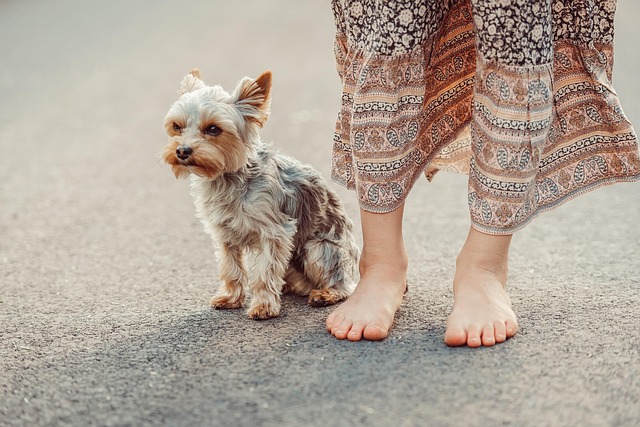
Yorkie Poos are generally known for their vivacious and affectionate personalities. They often form strong bonds with their families, thriving on attention and interaction. Their terrier lineage can imbue them with a lively, sometimes stubborn streak, while their Poodle heritage contributes to their intelligence and eagerness to please. This combination can make them engaging and entertaining companions.
However, their small size doesn’t diminish their potential for assertiveness. They can sometimes be prone to barking, especially if left alone for extended periods or if not properly socialized. Early exposure to various people, sounds, and environments is critical to prevent potential anxieties or territorial behaviors. Pet parents often describe them as “big dogs in small bodies,” possessing a fearless and curious disposition.
Grooming: A Commitment to Coat Care
One of the most significant aspects of owning a Yorkie Poo is their grooming requirement. Their coats can range from wavy and curly like a Poodle’s to straighter like a Yorkie’s, but most require consistent maintenance to prevent matting and tangles. Daily brushing is often recommended, especially for longer coats. Professional grooming appointments every 4–8 weeks are usually necessary for haircuts, baths, and nail trims.
The cost of professional grooming for a Yorkie Poo can range from $60 to $120 per session, depending on the location and the groomer’s services. Neglecting grooming can lead to painful skin conditions and severe matting that may require shaving the dog down. According to the Association of Professional Dog Groomers, consistent professional grooming is one of the most crucial investments for maintaining a Yorkie Poo’s health and comfort.
Health Considerations for Yorkie Poos
As a hybrid breed, Yorkie Poos can inherit health conditions common to both Yorkshire Terriers and Poodles. Potential issues include patellar luxation (dislocating kneecaps), hypoglycemia (low blood sugar, especially in puppies), dental problems, Legg-Calve-Perthes disease, and eye conditions like progressive retinal atrophy. Responsible breeders will screen their breeding stock for these genetic predispositions.
Veterinary check-ups are vital, with annual visits recommended for adult dogs and more frequent appointments for puppies. As of May 2026, the average annual veterinary care cost for a small dog can range from $700 to $1,200, not including unexpected illnesses or injuries. Pet insurance can be a valuable tool for managing these potential costs. Consulting with your veterinarian about breed-specific health concerns can help owners be proactive in monitoring their Yorkie Poo’s well-being.
Training and Socialization Strategies
Yorkie Poos are intelligent dogs, which generally makes them receptive to training. However, their terrier stubbornness can sometimes present a challenge. Positive reinforcement methods, such as using treats, praise, and play, are most effective. Consistent, short training sessions are ideal for keeping their attention, as they can have short attention spans.
Crucially, early socialization is key. Exposing your Yorkie Poo puppy to a variety of people, other friendly dogs, and different environments from a young age helps them develop into well-adjusted, confident adults. Without proper socialization, they may develop fearfulness or aggression towards strangers or unfamiliar situations. Enrolling in puppy training classes as early as 8–10 weeks old, after initial vaccinations, is highly recommended by the American Veterinary Society of Animal Behavior.
Exercise and Playtime Needs
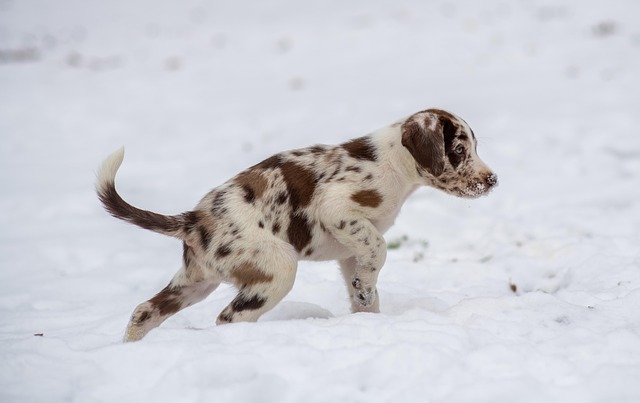
Despite their small size, Yorkie Poos are energetic dogs that require regular exercise to stay happy and healthy. Daily walks, interactive play sessions in a secure yard, and puzzle toys can help meet their physical and mental stimulation needs. Aim for at least 30 minutes of activity per day, which can be broken up into shorter sessions.
Mental stimulation is just as important as physical exercise. Engaging their sharp minds with training exercises, scent games, or obedience challenges can prevent boredom and destructive behaviors. A bored Yorkie Poo might resort to digging, chewing, or excessive barking, so providing outlets for their energy and intelligence is paramount for a harmonious home environment.
Common Mistakes to Avoid with Yorkie Poos
One common mistake is underestimating their exercise needs. Owners might assume that because they are small, they don’t require much activity. This can lead to a restless dog and potential behavioral issues. Providing consistent daily walks and playtime is essential. Another mistake is neglecting their grooming needs, which can lead to painful mats and skin problems. Regular brushing and professional grooming are non-negotiable.
Failing to socialize a Yorkie Poo early is another significant error. Their terrier heritage can make them wary of strangers or new experiences if not properly introduced. This can result in a dog that’s fearful or reactive. Early and consistent socialization, coupled with positive training, will help them become well-adjusted companions. Lastly, expecting a perfectly predictable temperament is unrealistic; each dog is an individual, and owners should be prepared for variations.
Finding Your Yorkie Poo Puppy or Rescue
As of 2026, the popularity of Yorkie Poos means demand is high, making it crucial to find a reputable source. When looking for a puppy, research breeders thoroughly. A good breeder will be transparent about health testing for the parent dogs, allow you to meet them, and provide health guarantees. Beware of breeders who can’t provide health clearances or who seem more interested in making a sale than ensuring a good match.
The cost of a Yorkie Poo puppy from a reputable breeder can range from $1,500 to $3,500, reflecting the demand for designer breeds. Alternatively, consider adopting a Yorkie Poo from a rescue organization or breed-specific rescue. While finding a purebred Yorkie Poo in a shelter might be rare, mixed-breed rescues often have similar dogs. Adoption fees are typically much lower, often ranging from $150 to $500, and provide a loving home to a dog in need.
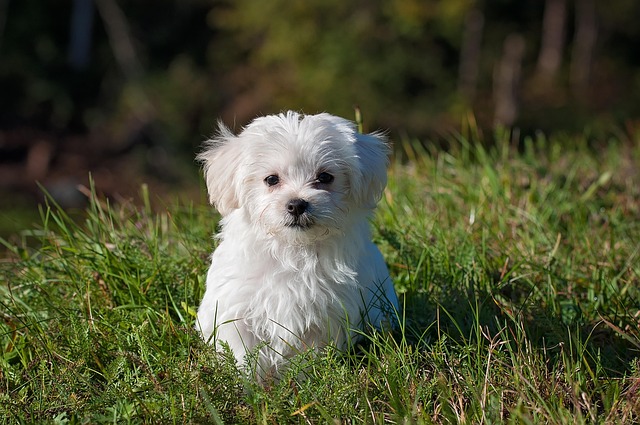
Integrating a Yorkie Poo into Your Life
Bringing a Yorkie Poo home requires preparation. Ensure you have the necessary supplies: a comfortable bed, food and water bowls, appropriate food, grooming tools, toys, and a collar or harness with an ID tag. Dog-proofing your home is also important, as puppies can be curious and may chew on household items.
Establish a routine early on for feeding, potty breaks, exercise, and training. Consistency is key to helping your new pet adjust. Introduce them gradually to other pets and family members, ensuring positive interactions. The initial adjustment period can take a few weeks, but with patience and understanding, your Yorkie Poo will soon become a cherished member of the family.
Frequently Asked Questions
Are Yorkie Poos good for first-time dog owners?
Yes, Yorkie Poos can be excellent for first-time owners due to their small size and affectionate nature. However, their grooming needs and potential for stubbornness require commitment and consistency in training and care.
Are Yorkie Poos hypoallergenic?
Many Yorkie Poos are considered to be low-shedding and can be suitable for people with allergies, thanks to their Poodle heritage. However, no dog is truly 100% hypoallergenic, and individual reactions can vary.
How much do Yorkie Poo puppies typically cost in 2026?
As of May 2026, the price for a Yorkie Poo puppy from a reputable breeder can range significantly, typically between $1,500 and $3,500. Costs depend on factors like lineage, breeder reputation, and location.
What is the average lifespan of a Yorkie Poo?
With proper care, nutrition, and regular veterinary attention, a Yorkie Poo can live between 10 to 15 years, sometimes longer. Genetics influencs their lifespan, lifestyle, and overall health management.
Do Yorkie Poos bark a lot?
Yorkie Poos can be prone to barking, a trait inherited from their Yorkshire Terrier lineage. Early training and socialization are key to managing excessive barking and ensuring they are not overly reactive.
How much exercise does a Yorkie Poo need daily?
A Yorkie Poo typically requires about 30 minutes of exercise per day. This can include short walks, indoor play sessions, and engaging mental stimulation activities to keep them content and prevent boredom.
Bringing Home Your Yorkie Poo
The Yorkie Poo is a delightful breed that brings joy, laughter, and companionship into many homes. Their unique blend of traits from the Yorkshire Terrier and Poodle creates a dog that’s intelligent, energetic, and deeply affectionate. While they require dedicated grooming, consistent training, and attention to potential health concerns, the rewards of owning a Yorkie Poo are immense for the right family.
When considering this breed, remember that thorough research into reputable breeders or rescue organizations, coupled with a commitment to their specific care needs, will pave the way for a happy and fulfilling relationship. The Yorkie Poo is more than just a pet; they are a vibrant personality ready to become an integral part of your life.
Information current as of May 2026; pricing and product details may change.
Editorial Note: This article was researched and written by the Pet Magazine editorial team. We fact-check our content and update it regularly. For questions or corrections, contact us. Knowing how to address dog breed yorkie poo early makes the rest of your plan easier to keep on track.
About The Author