
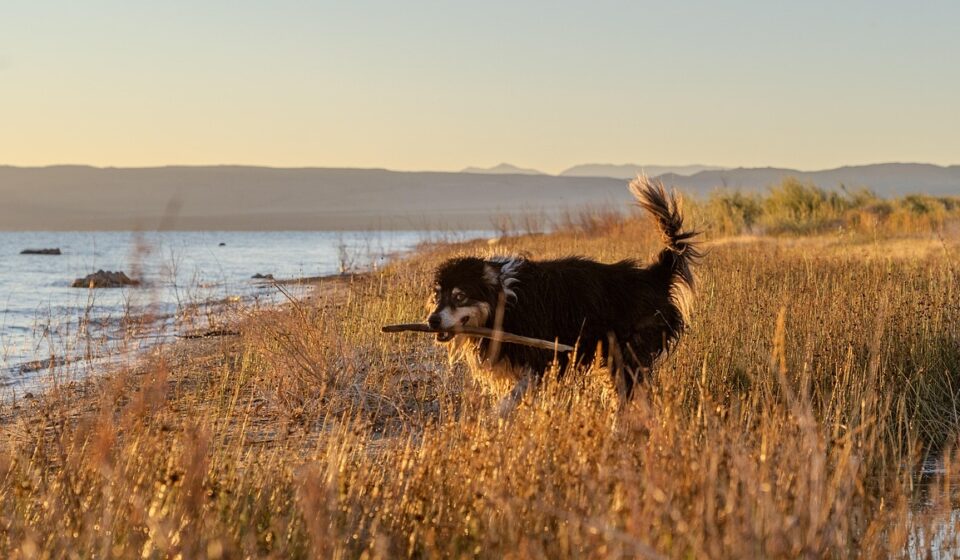

Fun activities to do with your dog: Engaging Your Canine Companion in 2026
For dedicated dog owners, the quest for novel and enjoyable activities to do with your dog is ongoing. As of June 2026, the world of pet enrichment offers more opportunities than ever to strengthen your bond and enhance your dog’s well-being, moving beyond the traditional walk in the park.
- Beyond walks, numerous fun activities exist, from indoor games to outdoor adventures, to enrich your dog’s life.
- Mental stimulation is as crucial as physical exercise for a well-adjusted dog.
- DIY projects for enrichment and simple training games can be highly effective.
- Exploring dog-friendly public spaces and even specialized canine sports can offer unique experiences.
Beyond the Park: Exploring New Horizons
While a daily walk is essential, it’s only one facet of a fulfilling dog-owner relationship. The real magic happens when you introduce variety and depth into your routines. Think of it as expanding your dog’s world, offering new sights, sounds, and challenges that stimulate their mind and body.
This approach is vital because dogs, much like humans, thrive on novelty and engagement. A predictable routine, while comforting, can lead to boredom, which may manifest as destructive behavior or anxiety. Introducing a diverse range of fun activities to do with your dog combats this proactively.
Indoor Enrichment: Games for Any Weather
When the weather confines you indoors, the fun doesn’t have to stop. Indoor activities focus heavily on mental stimulation, which can be just as tiring and rewarding for your dog as physical exertion. These games tap into their natural problem-solving skills and scent-detection abilities.
One popular method is the ‘shell game,’ or ‘which hand game.’ Use three opaque cups or bowls, placing a treat under one while your dog watches. Shuffle the cups and let your dog indicate which one holds the prize. This simple game sharpens their focus and reward-drive. According to a 2025 survey by the American Pet Products Association (APPA), 68% of dog owners reported using interactive toys to keep their pets engaged indoors.
Another engaging option is the ‘find it’ game. Hide high-value treats or their favorite toy around a room (start easy, then increase difficulty) and encourage your dog to sniff them out. This uses their powerful sense of smell and encourages independent problem-solving. You can even teach them to ‘clean up’ their toys by assigning a specific bin and rewarding them for putting toys away.
DIY Dog Toys and Puzzle Feeders
You don’t need to spend a fortune to provide stimulating enrichment. Many effective DIY options can be crafted from common household items. For instance, an old T-shirt can be braided into a durable tug toy, or a plastic water bottle (with the label removed and cap secured) can become a simple treat dispenser once filled with kibble.
Creating a snuffle mat is another excellent DIY project. These mats have fabric strips where you can hide kibble or treats, encouraging natural foraging behavior. You can find numerous tutorials online using felt or fleece. A well-made snuffle mat can provide 15–30 minutes of focused engagement for many dogs.
For puzzle feeders, consider using a muffin tin. Place a treat in each cup and cover them with tennis balls or small toys. Your dog then has to figure out how to remove the covers to get the reward. This type of interactive feeding slows down consumption and provides mental exercise, which is particularly beneficial for fast eaters.
Outdoor Adventures and Dog-Friendly Outings
As the weather improves in summer 2026, venturing outdoors offers a broader spectrum of fun activities to do with your dog. Beyond the local park, consider exploring new environments that offer a change of scenery and new sensory experiences.
Hiking: Many trails are dog-friendly and offer varied terrain, scents, and sights. Always research local regulations regarding leash laws and trail suitability for your dog’s breed and fitness level. A moderate 2-hour hike can provide the equivalent of several hours of walking for a dog. According to the Outdoor Industry Association, dog-friendly outdoor recreation has seen a 15% increase in participation since 2022.
Beach or Lake Visits: If you live near water, a trip to a dog-friendly beach or lake can be incredibly fun. Many dogs love to swim, chase waves, or simply explore the sandy shores. Ensure your dog is comfortable with water and supervise them closely. Remember to bring fresh water, as saltwater can be harmful if ingested in large quantities.
Picnics and Camping: Pack a lunch and head to a dog-friendly park or nature reserve. Bringing your dog along makes the outing more enjoyable for everyone. For the more adventurous, consider a camping trip. Many campgrounds welcome dogs, allowing them to experience the great outdoors with you.
Canine Sports and Training Activities
For owners looking to channel their dog’s energy and intelligence into structured activities, canine sports and advanced training offer a rewarding path. These activities not only provide physical and mental challenges but also reinforce obedience and strengthen the owner-dog bond.
Agility: This sport involves navigating an obstacle course with your dog, including jumps, tunnels, weave poles, and A-frames. It requires communication, speed, and coordination from both handler and dog. Classes are widely available and can be a fantastic way to build confidence in shy dogs or channel energy in boisterous ones. Agility trials are popular events, with many clubs offering beginner sessions.
Fly ball: A fast-paced team sport where dogs race down a lane, trigger a ball launcher, catch the ball, and race back. It’s great for dogs with a high prey drive and love for retrieving. A typical fly ball heat involves multiple dogs and handlers, creating an exciting atmosphere.
Nose Work/Scent Training: This activity taps directly into a dog’s natural olfactory abilities. Dogs are trained to find specific scents (like birch, anise, or clove) hidden in various environments. It’s a low-impact activity that provides immense mental stimulation and can be adapted for dogs of all ages and physical conditions. Many organizations offer introductory classes and competitive opportunities.
Advanced Obedience and Tricks: Beyond basic commands, teaching advanced obedience routines or a repertoire of fun tricks can be incredibly engaging. Think ‘play dead,’ ‘roll over,’ ‘fetch specific items,’ or even ‘bow.’ These activities require patience and positive reinforcement, building a strong communication channel between you and your dog.
Socialization and Community Activities
Dogs are social creatures, and opportunities for safe and positive social interaction are crucial for their development and happiness. Engaging in community activities can be as beneficial for the owner as it’s for the dog.
Dog Parks: While sometimes controversial due to potential for negative interactions, well-managed dog parks can offer excellent off-leash play opportunities with other dogs. It’s important to observe dog body language and intervene if play becomes too rough. Visiting during off-peak hours can provide a calmer experience.
Canine Meetups and Social Groups: Many cities have informal or organized dog meetups based on breed, age, or temperament. These can be a great way to meet other dog owners and provide your dog with structured socialization. Websites like Meetup.com often list local dog groups.
Volunteer Work: Certified therapy dogs can bring joy to hospitals, nursing homes, and schools. The training process itself is a series of fun activities and builds a strong partnership. Even if your dog isn’t suited for therapy work, visiting dog-friendly events or pet expos offers exposure and fun.
Practical Tips for Successful Dog Activities
To ensure your fun activities to do with your dog are successful and enjoyable for both of you, consider these practical tips:
- Know Your Dog: Tailor activities to your dog’s breed, age, energy level, and personality. A high-energy Border Collie will need different activities than a senior Basset Hound.
- Safety First: Always prioritize your dog’s safety. Use appropriate gear (leashes, harnesses), be aware of environmental hazards (heat, cold, toxic plants), and ensure they are up-to-date on vaccinations. For water activities, ensure they are a confident swimmer or use a dog life vest.
- Positive Reinforcement: Use rewards like treats, praise, and toys to encourage desired behaviors. This makes learning fun and strengthens your bond. Avoid punishment, which can lead to fear and anxiety.
- Start Small: Introduce new activities gradually. For instance, start with short hikes or simple trick training before tackling complex sports.
- Manage Expectations: Not every dog will enjoy every activity. Observe your dog’s cues and respect their boundaries. The goal is shared enjoyment, not forcing participation.
- Hydration and Nutrition: Always carry fresh water, especially for strenuous activities. Ensure your dog is fed a balanced diet that supports their activity level. According to the World Small Animal Veterinary Association (WSAVA), optimal nutrition is key to canine health and performance.
Common Mistakes to Avoid
Even with the best intentions, some common pitfalls can detract from the experience of fun activities to do with your dog. One frequent mistake is overestimating a dog’s physical capabilities, leading to exhaustion or injury. For example, expecting a small, brachycephalic breed like a Pug to keep pace on a strenuous hike can be dangerous due to their breathing limitations.
Another error is pushing a dog into social situations they find overwhelming. Forcing an anxious dog to interact with overly boisterous dogs at a busy park can create negative associations with socialization. It’s better to start with one-on-one introductions in controlled environments. Similarly, neglecting to check local regulations for dog-friendly areas can lead to unexpected challenges or fines.
Finally, relying too heavily on one type of activity leads to boredom. If your dog only ever goes for walks, they may become restless. Variety is key to sustained engagement and a happy, well-rounded canine companion. Remember that mental stimulation is just as important as physical exercise for preventing behavioral issues.
Conclusion: Making Every Day an Adventure
As of June 2026, the opportunities for fun activities to do with your dog are vast and varied. By incorporating a mix of indoor enrichment, outdoor exploration, and structured training or sports, you can significantly enhance your dog’s quality of life and deepen your own connection with them. Prioritizing safety, understanding your dog’s individual needs, and embracing positive reinforcement will ensure these activities are rewarding for both of you.
Actionable Takeaway: Choose one new activity from this list to try with your dog this week, focusing on positive reinforcement and your dog’s enjoyment.
Information current as of June 2026; pricing and product details may change.
Related read: DIY Pet Toys for 2026: Smart, Safe, and Creative Fun Knowing how to address fun activities to do with your dog early makes the rest of your plan easier to keep on track.
Frequently Asked Questions
What is fun activities to do with your dog?
fun activities to do with your dog is a topic that many people search for.
Why does fun activities to do with your dog matter?
Understanding fun activities to do with your dog helps you make better decisions. Whether you’re a beginner or have some experience, staying informed on this topic is genuinely useful.
Where can I learn more about fun activities to do with your dog?
We recommend checking authoritative sources and official websites for the most current information.
Editorial Note: This article was researched and written by the Pet Magazine editorial team. We fact-check our content and update it regularly. For questions or corrections, contact us.
Related read: Equine Horse Names for 2026: Finding the Perfect Fit
Related read: The Cat Crying Meme: More Than Just a Sad Face in 2026
Related read: Grumpy Cat Meme: The Enduring Icon of Internet Sarcasm in 2026.
About The Author