
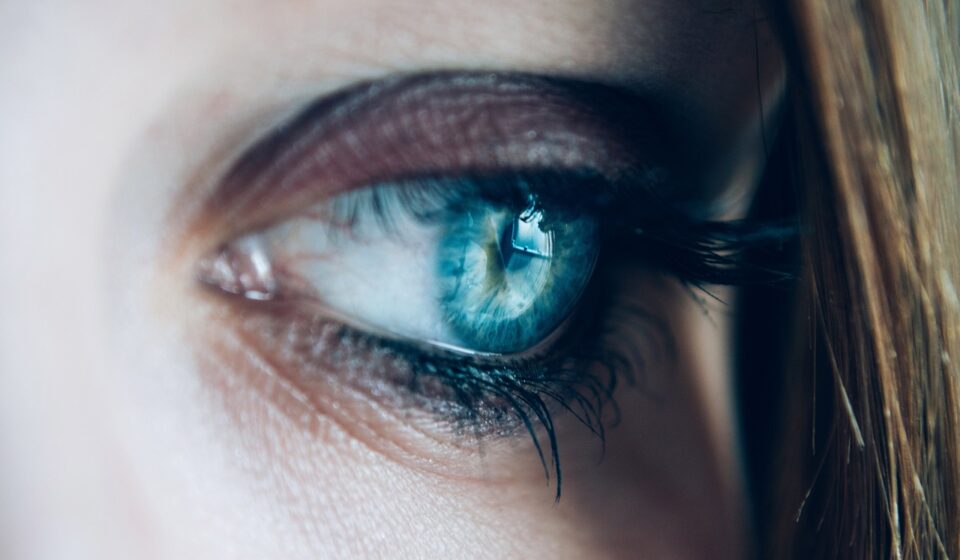

Cat eyes meaning: Beyond the Meow: The Power of Cat Eyes
This guide covers everything about cat eyes meaning. For anyone working through the question of how to truly connect with their cat, understanding feline communication is paramount. While our feline companions have a repertoire of vocalizations, from chirps to purrs, their eyes often speak volumes more. As of July 2026, research continues to highlight how much information is conveyed through subtle shifts in pupil size, the duration of a blink,, and the intensity of a gaze. Learning to read these silent signals isn’t just fascinating; it’s essential for building a stronger bond and ensuring your cat feels understood and safe. This guide delves deep into the intricate language of cat eyes, offering insights that go beyond the surface-level observations.
Last updated: July 12, 2026
Pupil Size: The Mood Ring of Cats
Among the most striking ways cats communicate is through their pupils. Unlike human pupils, which primarily adjust for light, a cat’s pupils are highly reactive to their emotional state. This dynamic range, from tiny slits to enormous dark pools, is a critical indicator of their feelings. Understanding these shifts is key to interpreting their immediate reactions and intentions.
When a cat feels relaxed, curious, or content, their pupils might appear moderately dilated. This is often seen during calm play sessions or when they are observing something of mild interest. It’s a state of balanced alertness.
However, significant pupil dilation, where pupils become large, round, and almost fill the iris, typically signals intense emotion. This can be due to excitement, whether it’s the thrill of a toy mouse being dangled or the anticipation of a meal. But it can also indicate fear, anxiety, or even aggression. A cat cornered by a perceived threat will display wide, dilated pupils as part of their fight-or-flight response.
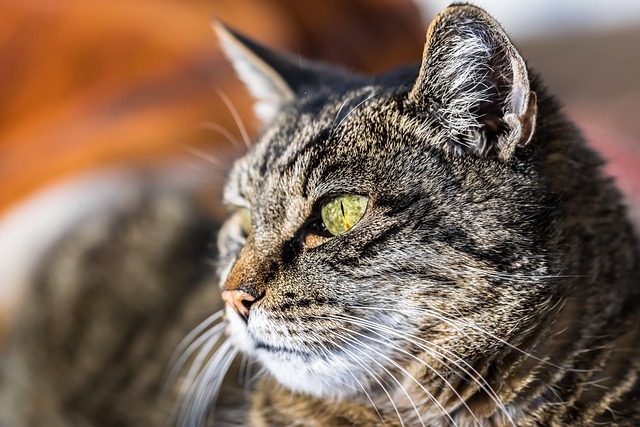
Conversely, pupils that narrow into thin vertical slits are often associated with negative emotions like anger, irritation, or aggression. If a cat is preparing to defend itself or is intensely focused on a rival, their pupils may constrict significantly. This is why observing pupil size in conjunction with other body language is vital—a hunting cat might have slit pupils and be focused, but not necessarily angry.
The speed at which pupils change is also telling. Rapid dilation and constriction can indicate a cat is feeling conflicted or is in a heightened state of arousal, unsure whether to engage or retreat. This is where experience as a cat owner really pays off, allowing you to distinguish between a playful pupil shift and one that signals distress.
The Art of the Slow Blink
Perhaps one of the most heartwarming and widely recognized forms of feline communication is the slow blink. Often described as a “cat kiss,” this deliberate, languid closing and opening of the eyes is a powerful signal of trust and affection. It’s a voluntary action that cats use to convey comfort and a lack of threat.
When a cat slow blinks at you, it’s essentially saying, “I feel safe enough in your presence to briefly close my eyes, making myself vulnerable.” This gesture is a testament to the bond you share. It’s a sign that they perceive you as a benevolent presence in their environment.
From a different angle, the slow blink is also a way for cats to signal their own relaxed state to other cats or even to their humans. It’s a non-confrontational way to acknowledge someone and communicate peaceful intentions. Practicing the slow blink yourself can be an effective way to reciprocate this trust and build rapport with your cat.
What this means in practice: if your cat is looking at you and slowly closes its eyes, try returning the gesture. Gently close your eyes for a second or two, then open them and look back. Many owners report a positive response, with their cat often slow-blinking back, reinforcing the connection. This simple act can significantly deepen your understanding and relationship.
Decoding the Cat Stare
A direct, unwavering stare from a cat can be interpreted in several ways, and it’s crucial to consider the context. It’s not always about aggression; sometimes, it’s pure curiosity or a demand for attention.
A hard stare, particularly with constricted pupils and a tense body posture, usually indicates a challenge or a warning. The cat is signaling that it feels threatened or is asserting dominance. In such cases, it’s best to give the cat space and avoid direct eye contact, which can be perceived as confrontational.
However, a soft stare, often accompanied by a slow blink or relaxed body language, is a sign of contentment and trust. This is the stare you might receive when your cat is comfortably lounging nearby, observing you with mild interest. It’s a peaceful acknowledgement of your presence.
Consider the scenario: your cat is sitting across the room, pupils are normal or slightly dilated, and they’re looking at you. They might be waiting for you to initiate play, offer food, or simply acknowledge their presence. If they then follow your gaze or offer a slow blink, you know it’s a positive interaction.
The difference between a challenging stare and a friendly one lies in the accompanying body language. A stiff tail, flattened ears, or tense whiskers will usually accompany a negative stare, while a relaxed posture and a soft gaze indicate a positive one. As of July 2026, veterinary behaviorists emphasize that misinterpreting a stare can lead to unnecessary stress for both cat and owner.
Eye Movements: Squints and Darts
Beyond pupil size and direct stares, other eye movements offer valuable insights into your cat’s state of mind. Squinting, for instance, can be a sign of contentment, but it can also indicate pain or irritation.
A gentle squint, often seen when a cat is relaxed and comfortable, is similar to a slow blink. It’s a sign that they feel at ease and are perhaps enjoying a nap or a moment of peace. This is a positive indicator of their well-being and trust in their environment.
On the other hand, a cat that squints due to pain or irritation might exhibit other signs of discomfort, such as a tense face, flattened ears, or avoidance of touch. If your cat is squinting and showing other signs of distress, it’s a clear signal to investigate further for potential health issues.
Sudden, rapid eye movements, sometimes called “darting” eyes, can indicate that a cat is feeling anxious, overwhelmed, or is highly alert to its surroundings. This might happen in a new environment or when exposed to sudden noises. It’s a sign that they are processing a lot and trying to assess potential threats.
When you see rapid eye movements, try to identify the trigger and remove it if possible, or provide a safe space for your cat to retreat. Understanding these subtle shifts can prevent misunderstandings and help you respond appropriately to your cat’s needs.
Cat Eye Colors: A Matter of Genetics, Not Emotion
While the shape, size, and movement of a cat’s pupils and eyes are rich with meaning, the actual color of the iris is primarily determined by genetics, not by mood. From brilliant blues and vibrant greens to striking golds and coppers, these colors are inherited traits.
For example, kittens are often born with blue eyes, which may change to their adult color as they mature. Breeds like the Siamese are known for their deep blue eyes, while breeds like the Abyssinian or the British Shorthair often display shades of green or gold.
A change in eye color that’s not related to age or breed development can, however, be a significant health concern. If you notice a sudden shift from a normal eye color to cloudy, blueish, or yellowish hues, it warrants immediate veterinary attention.
When Eyes Speak of Trouble: Health Red Flags
While we focus on the communicative aspects of cat eyes, it’s crucial to remember they are also windows to your cat’s overall health. Any unusual changes in their appearance or behavior related to their eyes should be a prompt to consult a veterinarian.
Signs of potential eye health problems include:
- Excessive tearing or discharge (watery, green, or yellow mucus)
- Redness or swelling of the conjunctiva (the pink tissue around the eye)
- Cloudiness or haziness of the cornea (the clear outer layer of the eye)
- Visible injury or trauma to the eye
- Constant squinting or holding one eye shut
- Changes in pupil size that are persistent or asymmetrical (one pupil larger than the other)
- Dilated pupils without any apparent emotional stimulus
According to the American Veterinary Medical Association (AVMA) as of 2026, common feline eye conditions include conjunctivitis, corneal ulcers, glaucoma, and cataracts. Early detection and treatment are vital for preserving vision and ensuring your cat’s comfort.
If you notice any of these symptoms, don’t delay in seeking professional veterinary advice. Prompt diagnosis can make a significant difference in the outcome of treatment and your cat’s quality of life.

Reading the Whole Cat: Body Language Context
It’s rarely just the eyes that tell the whole story. To accurately interpret what your cat is trying to communicate, you must consider their eyes in conjunction with their overall body language. The ears, tail, posture, and even the subtle twitch of whiskers all contribute to the message.
For instance, dilated pupils might signal fear if they are accompanied by a hunched posture, flattened ears, and a tucked tail. However, those same dilated pupils, paired with an upright, relaxed tail (perhaps with a slight curve at the tip), a playful stance, and a curious head tilt, likely indicate excitement or playfulness.
Similarly, a slow blink delivered while your cat is lying down with relaxed ears and a gently swishing tail is a clear sign of trust and contentment. A stiffening of the accompanies but if that slow blink body and a twitching tail, it might signal that their comfort is waning and they’re becoming agitated. Reading the whole cat is about synthesizing all these cues into a coherent understanding.
From a different angle, consider the context of the environment. Is there a new noise? A strange visitor? Another pet acting territorially? These external factors heavily influence your cat’s emotional state and, consequently, how their eyes communicate. The cat’s immediate surroundings provide crucial context for interpreting their ocular signals.
Common Misconceptions About Cat Eyes
Despite our growing understanding of feline behavior, several myths persist regarding cat eyes. One common misconception is that all pupil dilation means a cat is angry or aggressive. As we’ve discussed, it can also mean excitement, fear, or intense focus during play. It’s the accompanying body language that truly dictates the emotional context.
Another myth is that only cats with blue eyes can be affectionate. This is entirely untrue. Eye color is genetic and has no bearing on a cat’s capacity for love or their ability to form bonds. The “slow blink” is a universal sign of affection across all eye colors and breeds.
And, some people believe that a cat staring directly at them is always a sign of dominance. While a hard, unblinking stare can be challenging, a soft, relaxed gaze is often a sign of companionship and trust. The intensity and context of the stare are key differentiators.
Finally, there’s the idea that cats only use their eyes for sight. While vision is their primary function, their eyes are incredibly nuanced communication tools. Ignoring these signals means missing a significant part of how your cat interacts with the world and with you.
Expert Tips for Optimal Eye Communication
To become a better interpreter of your cat’s eye language, consider these expert-backed tips:
- Practice the Slow Blink: Make a habit of offering slow blinks to your cat when they are relaxed. This encourages reciprocal communication and builds trust.
- Observe Pupil Size in Context: Always pair pupil observations with other body language cues. Don’t assume dilation always means aggression; it can indicate playfulness or fear.
- Respect Their Gaze: If your cat is giving a hard stare, particularly with tense body language, don’t force eye contact. Give them space and allow them to dictate the interaction.
- Monitor for Health Changes: Regularly check your cat’s eyes for any signs of discharge, redness, cloudiness, or persistent changes in pupil size or shape. Early detection is key for health issues. The American Association of Feline Practitioners (AAFP) emphasizes proactive health monitoring as a cornerstone of feline care.
- Create a Safe Environment: Ensure your cat has access to safe, quiet spaces where they can retreat if they feel overwhelmed. This helps manage anxiety and reduces instances of fear-based pupil dilation.
- Engage in Playful Interaction: Use toys to engage your cat in play. Cat eyes meaning allows you to observe their pupils during periods of excitement and learn their unique responses.
Practically speaking, dedicating just a few minutes each day to observing your cat’s eyes and body language can significantly enhance your understanding and strengthen your bond. It’s an investment in a more harmonious relationship.
Frequently Asked Questions About Cat Eyes
What does it mean when a cat’s eyes are wide open and pupils are dilated?
Wide-open eyes with dilated pupils usually indicate a cat is experiencing strong emotions like excitement, fear, or surprise. It can be a sign of playfulness or a reaction to a perceived threat in their environment.
Can a cat’s eye color change with mood?
No, a cat’s eye color is determined by genetics and doesn’t change with its mood. While pupil size and shape change dramatically with emotion, the iris color remains constant.
What is the most common health problem that affects a cat’s eyes?
Conjunctivitis, often called “pink eye,” is a very common feline eye ailment. It causes inflammation of the eye’s lining and can result in redness, discharge, and squinting. Prompt veterinary care is usually recommended.
Does a cat staring at me mean it wants something?
Often, yes. A cat staring at you can mean it wants attention, food, playtime, or for you to open a door. Observe their other body language signals—like a twitching tail or soft meow—to understand their specific request.
How do I know if my cat’s eyes are healthy?
Healthy cat eyes are clear, bright, and free from excessive discharge, redness, or swelling. Pupils should react appropriately to light and emotional states without persistent asymmetry or cloudiness. Regular checks are advised.
Is a cat squinting a sign of love?
A gentle, slow squint can be a sign of contentment and trust, similar to a slow blink. However, persistent or forceful squinting, especially with other signs of discomfort, may indicate pain or an eye infection.
Last reviewed: July 2026. Information current as of publication; pricing and product details may change.
Editorial Note: This article was researched and written by the Pet Magazine editorial team. We fact-check our content and update it regularly. For questions or corrections, contact us. Knowing how to address cat eyes meaning early makes the rest of your plan easier to keep on track.
Related read: Russian Blue Cat 2026: The Silver-Lined Companion
About The Author