
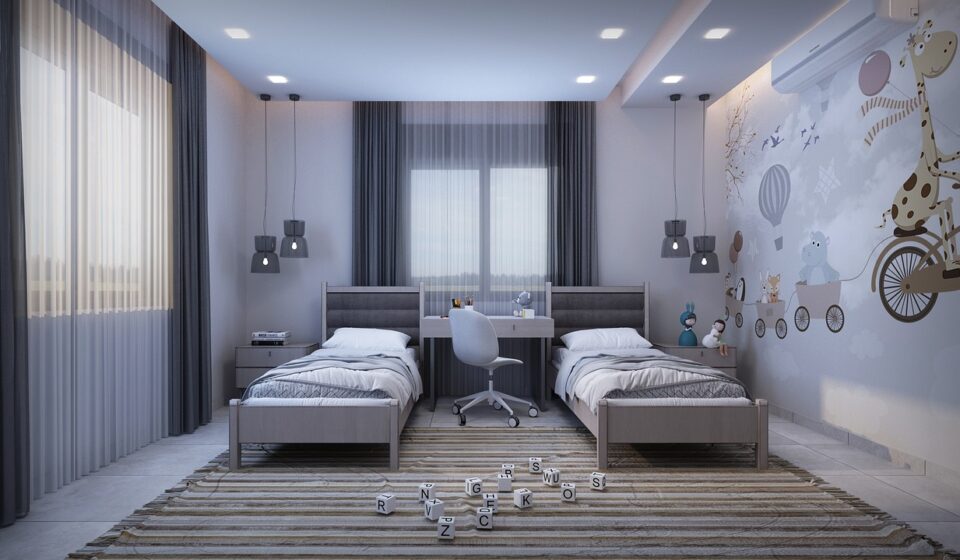

hound and Bulldog, can be surprisingly good apartment dogs due to their generally calm demeanor indoors.
What Truly Makes a Dog Breed Apartment-Friendly?
Beyond sheer size, several factors contribute to a dog’s suitability for apartment living. These include their natural inclination for quietness, their energy expenditure requirements, their trainability, and their adaptability to different environments. A dog that doesn’t require vast amounts of space to roam and is content with indoor activities or short, brisk walks is often a prime candidate.
Last updated: July 24, 2026
According to the American Kennel Club (AKC) 2025 breed standards, breeds with lower exercise needs and a more relaxed disposition tend to adapt better to indoor life. It’s also important to consider grooming requirements, as some owners may have limited space for extensive grooming routines. Noise level is a significant factor; incessant barking can lead to neighbor complaints and a stressful living situation for both dog and owner.

Small Breeds That Shine in Small Spaces
Often, the first breeds that come to mind for apartment living are small ones. Their compact size naturally seems to fit better into limited square footage. However, as any experienced owner knows, size is only one piece of the puzzle. Many small breeds require significant mental stimulation and can be prone to barking if bored or anxious.
Cavalier King Charles Spaniel: These affectionate and adaptable dogs are known for their gentle nature and relatively low exercise needs. They are happy to cuddle on the sofa or take a moderate walk, making them excellent apartment dwellers. Their desire to be close to their owners means they often thrive with company.
Bichon Frisé: Cheerful and playful, Bichons are known for being relatively quiet and having moderate exercise requirements. Their small size and happy disposition make them a joy to have around. They are also considered a good option for allergy sufferers, though no dog is truly hypoallergenic.
Shih Tzu: Bred as companion dogs, Shih Tzus are content with indoor play and short walks. They are generally affectionate and enjoy being part of the family activities. Their grooming needs are moderate to high, requiring regular brushing to prevent matting.
Maltese: These tiny, white dogs are known for their sweet temperament and love of human companionship. They are playful but don’t require extensive outdoor exercise, making them well-suited for apartment life. Regular grooming is essential to maintain their beautiful coat.
Larger Breeds That Can Adapt to Apartment Life
While counterintuitive, some larger breeds can be surprisingly good apartment dogs. These breeds often possess a calm, dignified demeanor indoors and are content with less demanding exercise routines than their high-energy counterparts. The key is ensuring they get adequate daily exercise and mental stimulation outside the apartment.
Greyhound: Often called “45-mile-per-hour couch potatoes,” Greyhounds are known for their surprisingly low energy levels indoors. They enjoy short bursts of speed during walks or in a safely enclosed area but are otherwise happy to lounge. Their quiet nature makes them excellent neighbors.
Bulldog (English Bulldog): Despite their solid build, Bulldogs are generally calm and placid dogs. They don’t require extensive exercise and are prone to overheating, making them better suited to shorter walks. Their independent nature means they can often entertain themselves.
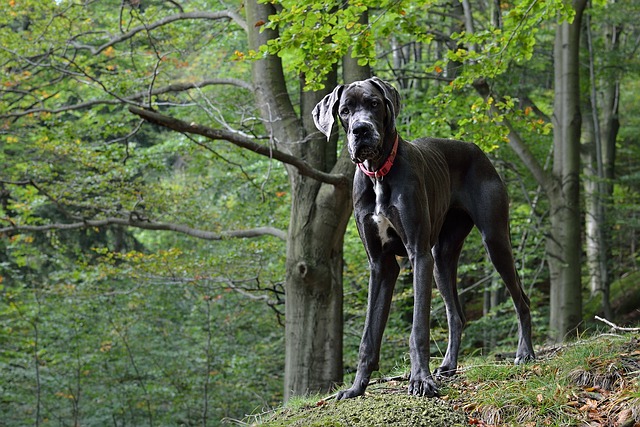
Great Dane: While their size is imposing, Great Danes are often gentle giants. They are known for being relatively calm and not overly energetic indoors, provided they receive regular, moderate exercise. Their primary need is companionship and space to stretch out.
Basset Hound: These droopy-eared dogs are known for their mellow temperament and moderate exercise needs. While they have a scent-hound background, they are generally not prone to excessive barking and are content with a good sniff-walk and plenty of lounging time.
All-Rounders: Breeds with Moderate Energy and Adaptability
Many breeds fall into a happy medium, possessing enough energy for engaging activities but also being content to relax indoors. These breeds often strike a good balance for apartment living, provided their owners are committed to meeting their needs.
French Bulldog: These charismatic little dogs are popular for a reason. They have moderate exercise needs and are known for being relatively quiet. They thrive on companionship and can be prone to respiratory issues, so strenuous exercise should be avoided.
Pug: Pugs are known for their playful, affectionate nature and their love of napping. They have moderate exercise needs and are generally good with children and other pets. Like French Bulldogs, they can have breathing difficulties and do best in moderate climates.
Cocker Spaniel: While they have a playful spirit and enjoy walks, Cocker Spaniels are adaptable and can do well in apartments if given daily exercise and mental stimulation. Their cheerful disposition makes them a delightful companion.
Boston Terrier: Nicknamed “The American Gentleman,” Boston Terriers are lively, intelligent, and friendly. They have moderate exercise needs and are generally good-natured, making them a solid choice for apartment living when their energy is managed.
The Crucial Role of Training and Socialization
Regardless of the breed, consistent training and early socialization are paramount for any dog living in an apartment. A well-trained dog is more likely to be a good neighbor, less prone to destructive behaviors, and better adjusted to the unique challenges of urban living.
Positive reinforcement training methods are highly effective for apartment dogs. Teaching commands like “quiet” can help manage barking, while “stay” and “leave it” are invaluable for navigating busy streets and shared building spaces. According to a 2025 study published in the Journal of Applied Animal Behavior, dogs that receive consistent positive training show fewer behavioral issues and higher adaptability to new environments.
Socialization involves exposing your dog to various sights, sounds, people, and other animals in a controlled and positive manner. This helps prevent fear-based reactions, which can manifest as excessive barking or aggression in an apartment setting. Puppy classes are an excellent starting point for this.

Meeting Exercise and Mental Stimulation Needs
Even breeds with lower energy requirements need daily physical activity and mental engagement. For apartment dogs, this often means creative solutions to ensure they don’t become bored or antsy.
Daily Walks: Aim for at least two walks a day, varying the routes to provide new sights and smells. These walks are not just for elimination but for exploration and exercise. A 2026 survey by the Pet Food Manufacturers Association (PFMA) indicated that 75% of dog owners in the UK prioritize daily walks for their pets’ well-being.
Indoor Play: Puzzle toys, treat-dispensing balls, and interactive games like fetch (if space allows) can keep your dog mentally stimulated indoors. Training sessions, even short ones, also serve as excellent mental workouts.
Dog Parks and Daycare: If your schedule permits and your dog is well-socialized, dog parks or professional doggy daycare can provide essential socialization and vigorous exercise, especially for breeds with higher energy levels.
Managing Noise and Grooming in Apartment Settings
Two critical aspects for apartment dwellers are managing a dog’s noise level and their grooming needs. Excessive barking can strain neighborly relations, while high grooming demands can be challenging in smaller living spaces.
Barking: Breeds known for being quieter, like Greyhounds, Cavalier King Charles Spaniels, and Shih Tzus, are often preferred. If you choose a breed prone to barking, consistent training to curb unnecessary vocalization is essential. Identifying the triggers for barking (boredom, anxiety, territoriality) is the first step to addressing it.
Grooming: Breeds with minimal shedding and grooming needs, such as Poodles (though they require professional grooming for their coat) or Bichon Frisés, can be appealing. However, breeds like the Shih Tzu or Maltese require daily brushing to prevent mats. Investing in portable grooming tools or scheduling regular professional grooming appointments can help manage this.
Adoption: A Smart Path to Finding an Apartment Dog
When searching for an apartment-friendly dog, consider adoption from a local animal shelter or rescue organization. Shelter staff and foster parents often have extensive knowledge of individual dogs’ temperaments and energy levels. They can provide valuable insights into which dogs are already accustomed to quieter environments or have demonstrated suitability for apartment living.
Many mixed-breed dogs make wonderful apartment companions. A veterinarian from the Association of Shelter Veterinarians noted in 2026 that mixed breeds often exhibit hybrid vigor and can possess a blend of traits that make them adaptable. Discuss your living situation with shelter staff; they are adept at matching potential adopters with dogs that fit their lifestyle.
Common Mistakes to Avoid When Choosing an Apartment Dog
One of the most common mistakes is selecting a dog solely based on its size. A tiny dog with high energy and a tendency to bark incessantly can be far more challenging in an apartment than a calm, larger breed. Similarly, underestimating the exercise needs of any breed is a recipe for disaster, leading to destructive behavior and frustration.
Another error is neglecting mental stimulation. A dog that’s physically exercised but mentally unstimulated will still find ways to entertain itself, often in ways that are detrimental to your apartment. Finally, assuming all dogs of a certain breed will behave identically is a fallacy; individual personalities play a huge role.

Frequently Asked Questions
Are large dogs really not suitable for apartments?
While large dogs generally require more space, some breeds like Greyhounds and Great Danes can adapt well to apartment living due to their calm indoor demeanor, provided their exercise needs are met outside the apartment.
What is the best dog breed for a first-time apartment owner?
For first-time owners in apartments, breeds like the Cavalier King Charles Spaniel, Bichon Frise, or French Bulldog are often recommended due to their generally adaptable temperaments, moderate exercise needs, and manageable size.
How much exercise does an apartment dog need daily?
Most apartment dogs need at least 30–60 minutes of dedicated exercise per day, which can include walks, playtime, and training sessions. High-energy breeds will require significantly more.
Which dog breeds are too loud for apartment living?
Breeds known for being vocal, such as many terriers, beagles, and some smaller toy breeds, can be problematic in apartments if their barking is not managed through training and addressing the root cause.
What are the best hypoallergenic dog breeds for apartments?
While no dog is truly hypoallergenic, breeds like the Bichon Frise, Poodle (and its mixes), and Schnauzer are often better tolerated by allergy sufferers and are also suitable for apartment living.
Can a dog with high energy levels live happily in an apartment?
Yes, but it requires a significant commitment from the owner. Breeds with high energy, like Border Collies or Australian Shepherds, can adapt if they receive several hours of vigorous exercise and mental stimulation daily, which can be challenging in an urban setting.
Conclusion: A Happy Dog in a Small Space is Achievable
Choosing a dog breed for apartment living in 2026 involves careful consideration of temperament, energy levels, and lifestyle compatibility. By prioritizing breeds known for their adaptability and by committing to consistent training, socialization, and adequate exercise, you can create a fulfilling life for both you and your canine companion in even the coziest of urban homes.
Your actionable takeaway: Before choosing a breed, honestly assess your daily routine and available time for walks and play. Then, research breeds that align with that assessment, perhaps starting with the quieter, adaptable options like the Cavalier King Charles Spaniel or the surprisingly placid Greyhound.
Information current as of July 2026; pricing and product details may change.
Source: Britannica.
Knowing how to address dog breeds for apartments early makes the rest of your plan easier to keep on track.




About The Author