


The Burning Question: Can Dogs Eat Asparagus?
If you’re enjoying a plate of fresh asparagus and your dog gives you those pleading eyes, you might wonder if it’s safe for them to join your culinary adventure. The short answer is: yes, dogs can eat asparagus, but with important caveats. As of June 2026, veterinary advice consistently points to asparagus being a safe, low-calorie treat for dogs when prepared and offered correctly. However, it’s not a dietary staple, and there are specific parts and preparations to avoid.
Last updated: June 6, 2026
This guide will break down everything you need to know about feeding asparagus to your canine companion, from its nutritional benefits to potential risks and how to serve it safely. We’ll cover the different parts of the plant, safe preparation methods, and what signs to look out for if your dog has an adverse reaction.
- Asparagus is generally safe for dogs in small, cooked portions.
- It offers vitamins A, C, K, and folate, plus fiber.
- Raw asparagus is hard to digest and can be a choking hazard.
- Asparagus stalks and woody bases should be avoided.
- Never feed asparagus seasoned with garlic, onion, or excessive salt.
What’s in Asparagus for Your Dog?
Asparagus, botanically known as Asparagus officinalis, is a nutrient-dense vegetable that can offer several health benefits to dogs, much like it does for humans. When incorporated into a dog’s diet in moderation, it provides valuable vitamins and minerals.
Practically speaking, asparagus is low in calories and fat, making it a good choice for dogs who need to manage their weight or for owners looking for healthy treat options. It’s also rich in fiber, which aids in digestion.
Vitamins and Minerals
Asparagus is a good source of several key vitamins crucial for canine health. It contains Vitamin A, essential for vision, immune function, and skin health. Vitamin C, a powerful antioxidant, supports the immune system and can help reduce inflammation.
And, asparagus provides Vitamin K, which is vital for blood clotting and bone health. It also contains folate (Vitamin B9), important for cell growth and DNA synthesis. These nutrients contribute to a dog’s overall well-being and can support various bodily functions.
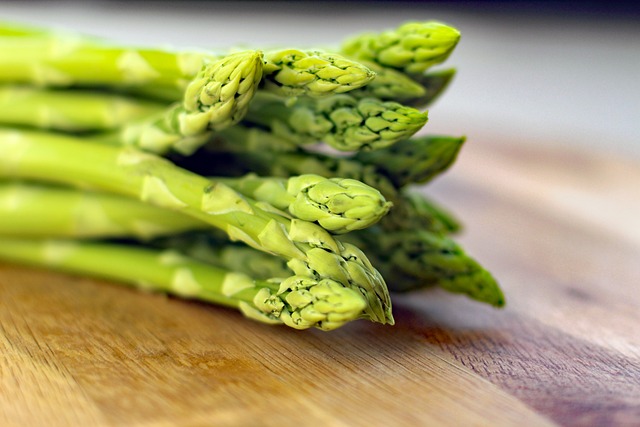
Fiber Content
The fiber in asparagus is beneficial for a dog’s digestive system. It helps regulate bowel movements, preventing both constipation and diarrhea. A healthy gut microbiome is linked to better nutrient absorption and a stronger immune system, and dietary fiber plays a key role in this.
However, too much fiber can lead to gas and digestive upset. This is why moderation is crucial. Introducing any new food, including asparagus, should be done gradually to allow your dog’s system to adjust.
Antioxidants
Like many vegetables, asparagus contains antioxidants. These compounds help combat free radicals in the body, which can damage cells and contribute to aging and disease. While dogs produce some antioxidants naturally, dietary sources can supplement this.
Are There Risks When Dogs Eat Asparagus?
While asparagus can be healthy, it’s not without its potential risks, especially if not prepared correctly or given in excessive amounts. Understanding these risks is key to ensuring your dog’s safety and enjoyment of this vegetable.
The most common issues arise from the preparation method, the part of the plant consumed, or simply overfeeding. As of June 2026, veterinary consensus highlights a few key areas of concern.
Digestibility of Raw Asparagus
One of the primary concerns with feeding asparagus to dogs is its digestibility, particularly when raw. Dogs have a harder time breaking down the tough cellulose in raw vegetables. This can lead to significant digestive upset, including gas, bloating, diarrhea, and abdominal pain.
The tough, fibrous nature of raw asparagus can also be difficult for dogs to chew properly, increasing the risk of choking, especially for smaller breeds or dogs that tend to gulp their food.
Choking Hazards and Obstructions
Raw asparagus spears, particularly the tougher, woody parts, can pose a choking hazard. If a dog swallows large, unchewed pieces, they can potentially cause an intestinal blockage. This is a serious medical emergency that requires immediate veterinary attention.
Even cooked asparagus, if served in large, whole spears, can be a choking risk. It’s essential to cut it into small, manageable pieces to mitigate this danger.
The Woody Stalks and Ferns
Not all parts of the asparagus plant are safe or palatable for dogs. The tough, woody base of the asparagus stalk is very difficult to digest and can cause irritation or blockages in the digestive tract. These parts should always be trimmed away before cooking or serving.
Additionally, while less common, some sources suggest that the foliage or ‘ferns’ of the asparagus plant may contain compounds that could be toxic to dogs if ingested in large quantities. It’s best to stick to the edible spears and avoid any other part of the plant.

Seasonings and Additives
A critical danger when feeding dogs any human food, including asparagus, is the addition of seasonings. Many common ingredients used to flavor asparagus for human consumption are toxic to dogs. Garlic and onions, in both raw and powdered forms, are highly toxic and can cause severe damage to a dog’s red blood cells.
Excessive salt is also unhealthy for dogs and can lead to dehydration and sodium ion poisoning. Other spices, butter, and oils used in cooking can cause gastrointestinal upset or pancreatitis. Therefore, asparagus must be prepared plainly, without any human-added seasonings.
Potential for Digestive Upset
Even when prepared correctly and fed in moderation, some dogs may experience digestive upset from asparagus. This can manifest as increased gas, bloating, or loose stools. Dogs with sensitive stomachs or pre-existing gastrointestinal conditions might be more prone to these issues.
If your dog shows any signs of discomfort after eating asparagus, it’s best to discontinue feeding it to them and consult your veterinarian. What works for one dog may not work for another.
Preparing Asparagus for Your Dog: A Step-by-Step Guide
To safely introduce asparagus into your dog’s diet, proper preparation is paramount. Following these steps will help ensure your dog can enjoy the benefits of asparagus without the risks.
The goal is to make the asparagus digestible, palatable, and free from harmful additives. This process is straightforward and doesn’t require special equipment.
- Choose Fresh Asparagus: Select fresh, firm asparagus spears. Avoid any that are wilted, mushy, or have yellowed tips, as these are older and less nutritious.
- Wash Thoroughly: Rinse the asparagus spears under cool running water to remove any dirt, pesticides, or contaminants.
- Trim the Woody Ends: Identify the tough, woody base of each stalk. You can do this by holding a stalk near the bottom and bending it; it will naturally snap where the tender part begins. Discard these woody ends.
- Cook the Asparagus: This is the most crucial step for digestibility. You can steam, boil, or roast the asparagus. Steaming or boiling is generally preferred as it requires no added fat or seasonings. Roasting can be done plain, but ensure it doesn’t dry out or burn.
- Cut into Small Pieces: Once cooked until tender, allow the asparagus to cool completely. Then, chop the spears into small, bite-sized pieces. The size should be appropriate for your dog’s breed and chewing habits – think pea-sized for small dogs, and slightly larger for bigger breeds.
- Serve Plain: Offer the cooked, chopped asparagus as a standalone treat or mixed in small quantities with your dog’s regular food. Ensure there are no added oils, butter, salt, garlic, onion, or other seasonings.
Cooking Methods Explained
Steaming: Place the trimmed asparagus spears in a steamer basket over boiling water. Cover and steam for about 5–10 minutes, or until tender. This method preserves the most nutrients.
Boiling: Submerge the trimmed asparagus in a pot of boiling water for about 5–7 minutes, or until tender. Drain well. This is a quick method but can result in some nutrient loss compared to steaming.
Roasting: Toss trimmed asparagus spears with a tiny amount of dog-safe oil (like a drop of olive oil) if desired, though plain is best. Roast in a preheated oven (around 400°F or 200°C) fo10–1515 minutes, or until tender. Ensure it doesn’t get too crispy or burnt.
Determining the Right Portion Size
The quantity of asparagus a dog can safely consume depends on several factors, including their size, age, activity level, and overall diet. As a general rule, treats should not make up more than 10% of a dog’s daily caloric intake.
Asparagus is very low in calories, so it won’t contribute significantly to their daily intake, but it’s still important to be mindful. Too much of any new food can cause digestive upset.
General Guidelines for Portion Control
For small dogs (under 20 lbs), a few small pieces (about 1–2 tablespoons) of cooked asparagus a few times a week is usually sufficient. Medium-sized dogs (20–50 lbs) might tolerate a slightly larger portion, perhaps 2–3 tablespoons, a few times a week.
Larger dogs (over 50 lbs) can handle a bit more, possibly up to a quarter cup, but still, moderation is key. It’s always best to start with a very small amount – just a single bite-sized piece – to see how your dog reacts.
Introducing Asparagus Gradually
When introducing asparagus for the first time, offer only a tiny amount. Observe your dog for any signs of digestive distress, such as gas, bloating, vomiting, or diarrhea, over the next 24–48 hours. If they tolerate it well, you can gradually increase the portion size over subsequent feedings.
According to the American Veterinary Medical Association (AVMA) (2026), introducing new foods should always be done cautiously, especially for dogs with known sensitivities or health conditions. They recommend observing your pet closely for any adverse reactions.

Beyond the Spear: Asparagus Ferns and Other Plant Parts
While we focus on the edible spears of the asparagus plant, it’s important to consider other parts that might be accessible to curious dogs, especially if you grow asparagus at home.
The primary concern with other plant parts stems from potential toxicity and indigestibility. It’s crucial to understand what’s safe and what’s not.
Asparagus Fern Toxicity
The ‘fern’ part of the asparagus plant, which refers to its leafy, feathery foliage, is a common ornamental variety. While not the same as the vegetable we eat, these ornamental asparagus ferns (Asparagus setaceous, Asparagus densiflorus, etc.) are known to cause mild skin irritation and gastrointestinal upset in dogs if ingested.
The berries that sometimes appear on these ferns can also be problematic. While not severely toxic, they can cause stomach upset and vomiting. If your dog has ingested parts of an ornamental asparagus fern, monitor them for symptoms and contact your veterinarian if you have concerns.
Are Asparagus Roots Safe?
The roots of the asparagus plant are generally not consumed by humans or dogs. They are tough and fibrous, making them indigestible and potentially irritating to the digestive tract. It’s best to ensure dogs don’t have access to the roots of asparagus plants.
When Asparagus Isn’t the Best Option: Alternatives
While asparagus can be a healthy addition to a dog’s diet, it’s not the only vegetable that offers nutritional benefits. If your dog doesn’t like asparagus, or if you’re looking for variety, many other safe and healthy options are available.
From a different angle, considering a variety of vegetables ensures your dog receives a broader spectrum of nutrients. Always introduce new vegetables one at a time and in moderation.
Safe Vegetable Options for Dogs
Many common vegetables are safe and even beneficial for dogs. These include:
- Carrots: Rich in beta-carotene, good for eyes, and can help clean teeth.
- Green Beans: Low in calories, high in vitamins, and a good source of fiber.
- Sweet Potatoes: Cooked and plain, they are a great source of vitamins A, C, and fiber.
- Broccoli: Safe in small amounts, provides vitamins and fiber, but can cause gas.
- Pumpkin: Pure, cooked pumpkin (not pie filling) is excellent for digestive health.
For a complete list, consult resources from organizations like the American Kennel Club (AKC) (2026), which provides extensive guidance on safe human foods for dogs.
Vegetables to Avoid
It’s equally important to know which vegetables are toxic or harmful to dogs. Always avoid feeding:
- Onions, Garlic, Chives, Leeks: All members of the Allium family are toxic to dogs.
- Grapes and Raisins: Can cause kidney failure.
- Avocado: Contains persin, which can be toxic in large amounts.
- Tomatoes and Potato Plants: The green parts can be toxic.
If you’re ever unsure about a specific food, it’s always best to err on the side of caution and consult your veterinarian.

Frequently Asked Questions
Can dogs eat asparagus raw?
it’s generally not recommended for dogs to eat raw asparagus. It’s difficult to digest, can cause significant gas and bloating, and poses a choking hazard due to its tough texture.
What happens if a dog eats asparagus?
If a dog eats a small amount of properly prepared asparagus, they will likely experience no ill effects. If they eat a large amount or raw asparagus, they may suffer from digestive upset like gas, diarrhea, or vomiting, and there’s a risk of choking or obstruction.
How much asparagus can dogs eat?
As a treat, asparagus should be given in moderation. For small dogs, a few small pieces (1-2 tablespoons) a few times a week is appropriate. Larger dogs can have slightly more, up to a quarter cup, but it should not exceed 10% of their daily caloric intake.
Can dogs eat asparagus stalks?
Dogs can eat the tender parts of the asparagus stalks after they have been properly cooked and cut into small, manageable pieces. The tough, woody bases of the stalks should always be trimmed and discarded.
Is cooked asparagus safe for dogs?
Yes, cooked asparagus is generally safe for dogs. Cooking makes it easier to digest and softer, reducing the risk of choking. It’s crucial to cook it plainly, without any seasonings, oils, or butter.
Can dogs eat asparagus tips?
Yes, the tips of the asparagus spears are edible and safe for dogs, provided they are cooked and cut into small pieces. They are often the most tender part of the vegetable.
Are asparagus ferns toxic to dogs?
Yes, ornamental asparagus ferns can cause mild skin irritation and gastrointestinal upset in dogs if ingested. It’s best to keep dogs away from these plants and their berries.
Final Thoughts on Asparagus for Your Dog
In summary, can dogs eat asparagus? Yes, they can, and in moderation, it can be a healthy addition to their diet. The key lies in proper preparation: always cook it plain, trim the woody ends, and cut it into small, digestible pieces. Start with a tiny amount to ensure your dog tolerates it well, and remember that it should be treated as an occasional treat rather than a dietary staple.
The actionable takeaway for pet parents is this: when offering asparagus to your dog, prioritize safety and digestibility by cooking it thoroughly and serving it plain and in small portions. Consult your veterinarian if you have any specific concerns about your dog’s diet or health.
Information current as of June 2026; pricing and product details may change.
Editorial Note: This article was researched and written by the Pet Magazine editorial team. We fact-check our content and update it regularly. For questions or corrections, contact us. For readers asking “Can dogs eat asparagus”, the answer comes down to the specific factors covered above.
Related read: King German Shepherd: Is This Giant Breed Right For You?
Related read: Can Dogs Have Sesame? A 2026 Safety Guide for Pet Parents.




About The Author