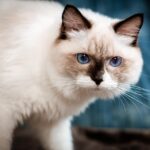
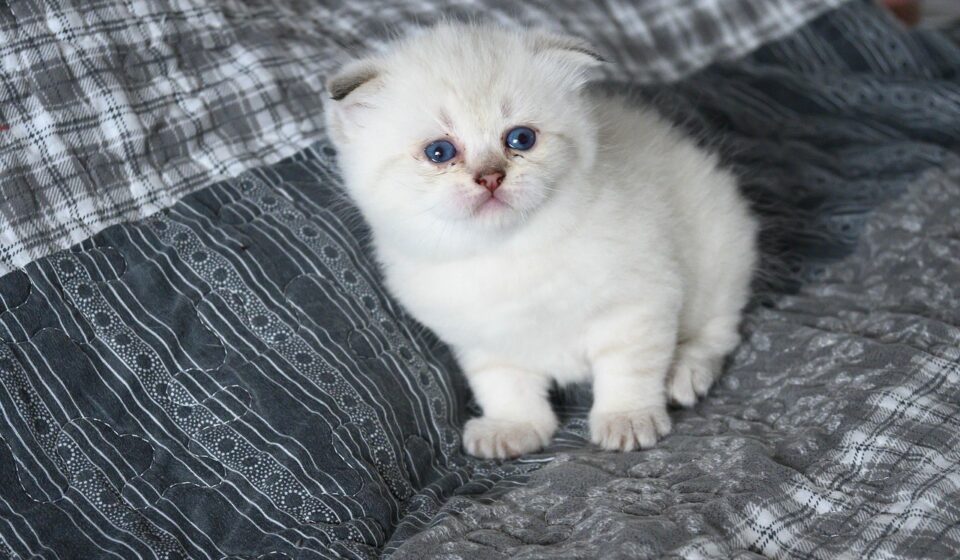

emperaments vary by breed, but folded ear cats are often described as gentle, affectionate, and adaptable companions.
Folded ear cat breeds: The Genetic Blueprint: What Causes Folded Ears?
The distinctive folded ears seen in breeds like the Scottish Fold are the result of a naturally occurring genetic mutation. This mutation, known as the Fold, affects the cartilage throughout the cat’s body, not just its ears. It’s an autosomal dominant trait, meaning a cat only needs one copy of the gene from either parent to exhibit folded ears.
Last updated: June 5, 2026
This genetic quirk is primarily associated with a condition called feline osteochondrodysplasia (FOCD). While FOCD is the scientific term, it’s often simplified as a cartilage disorder. The mutation impacts the development of cartilage, leading to the characteristic fold in the ears as well as potential skeletal abnormalities in joints, such as the tail, paws, and legs.

Practically speaking, not every cat with folded ears will develop severe FOCD. However, the predisposition is there. This is why responsible breeding is paramount. Reputable breeders carefully screen their cats for genetic health issues and aim to produce healthy kittens, even while propagating the folded ear trait.
Beyond the Scottish Fold: Other Folded Ear Felines
While the Scottish Fold is the most recognized, several other breeds showcase this unique ear trait, often through crossbreeding or spontaneous mutations. Each breed offers a distinct personality and physical presentation, but all share that charming, folded ear characteristic.
The American Curl is another prominent example, though their ears curl backward, not forward like the Scottish Fold. The gene responsible for their curled ears is different from the one causing the Scottish Fold’s characteristic “fold.” They are known for their playful and inquisitive nature.
The Highlander, a newer breed, often sports large, folded ears and a somewhat wild appearance due to its lineage which includes the Desert Lynx. They are typically friendly and enjoy human interaction. Then there’s the Foldex, a breed developed by crossing Scottish Folds with exotic short hairs, resulting in a sturdy cat with those signature folded ears.
Less common but equally fascinating are breeds like the Ukrainian Levkoy, a hairless cat with folded ears, and the Elf Cat, which is a cross between an American Curl and a Sphinx, also featuring curled-back ears. The Oriental Fold is a more recent development aiming for a sleek, oriental-type body with folded ears. These breeds, while diverse, highlight the fascination humans have with unique feline traits.
Navigating Health Challenges: The Reality of FOCD
The primary health concern for folded ear cat breeds, especially the Scottish Fold, is feline osteochondrodysplasia (FOCD). This genetic condition affects cartilage development, leading to a range of potential issues, particularly in the joints and spine.
Symptoms can vary significantly from mild stiffness to severe lameness. Affected cats may develop arthritis-like symptoms, including pain, reduced mobility, and thickened joints. The tail can become stiff and short, and paw abnormalities, such as extra toes or deformed pads, can also occur. According to research, approximately 50% of Scottish Folds develop some degree of FOCD, with varying severity.
From a different angle, it’s crucial to understand that not all folded ear cats will suffer from debilitating FOCD. Many live full, active lives with proper management. However, the potential for these issues means that prospective owners must be prepared for possible veterinary costs and specialized care.

When considering a folded ear cat, it’s vital to choose a reputable breeder who screens their breeding cats for genetic health problems and provides health clearances for kittens. This due diligence can significantly reduce the risk of acquiring a cat with severe FOCD.
Gentle Souls: Temperament of Folded Ear Breeds
Beyond their unique ears, folded ear cat breeds are often praised for their delightful temperaments. While individual personalities can vary greatly, certain traits are commonly observed and contribute to their popularity as pets.
Scottish Folds, for instance, are typically described as gentle, calm, and sweet-nature. They are known to be quite affectionate, enjoying human company without being overly demanding. Many are happy to play and engage but are also content to relax nearby. They often get along well with children and other pets, making them suitable family companions.
Breeds like the Highlander and Foldex often share similar traits, being friendly, sociable, and adaptable. Their willingness to bond with their families makes them excellent lap cats and constant companions. The Ukrainian Levkoy and Elf Cat, despite their more exotic appearances, are also noted for their affectionate and playful dispositions.
What this means in practice is that folded ear cat breeds often integrate seamlessly into various household environments. They tend to be less vocal than some other breeds and adapt well to routine. Their gentle nature makes them a joy to live with, provided their specific needs are met.
Responsible Breeding: The Key to Healthy Folds
The ethics surrounding the breeding of folded ear cats, particularly Scottish Folds, have been a subject of debate. Because the gene responsible for the fold is linked to FOCD, breeding two folded-ear cats together can significantly increase the risk of producing kittens with severe skeletal problems. According to veterinary resources, breeding two Scottish Folds together results in a 50% chance of kittens inheriting FOCD in a severe form, and a further 25% chance of inheriting two copies of the fold gene, leading to even more severe skeletal issues.
Reputable breeders will never breed two folded-ear cats together. Instead, they cross a folded-ear cat with a straight-eared cat (often a Scottish Straight). This practice helps to reduce the incidence and severity of FOCD, as the kittens are more likely to inherit only one copy of the fold gene, resulting in milder or no FOCD symptoms.
From a different angle, some cat associations, like The Governing Council of the Cat Fancy (GCCF) in the UK, have banned the registration and breeding of Scottish Folds due to the health implications of the FOCD gene. This stance highlights the ongoing ethical considerations within the cat fancy community regarding breeds with inherent genetic health risks. As of 2026, ethical breeders prioritize health over the visual trait, ensuring that their breeding programs aim for the well-being of the cats.

Potential owners should always inquire about a breeder’s practices, health testing protocols, and genetic screening. A truly responsible breeder will be transparent about these aspects and willing to provide health clearances for the parents and offspring.
Caring for Your Folded Ear Companion
Caring for a folded ear cat breed involves regular cat care, with a few specific considerations due to their unique genetics. Vigilance and understanding are key to ensuring they lead a healthy and happy life.
Grooming: Both longhaired and short haired folded ear cats benefit from regular grooming. Scottish Folds, in particular, have a tendency to shed moderately. Brushing them a few times a week helps to prevent mats, reduce shedding, and keep their coat healthy. For breeds with less fur, like the Ukrainian Levkoy, skin care is more important.
Diet: A high-quality, balanced diet is crucial for all cats, but especially for those with potential joint issues. Look for foods rich in omega-3 fatty acids, which can help with inflammation and joint health. Consult your veterinarian for specific dietary recommendations based on your cat’s age, activity level, and any health concerns.
Veterinary Care: Regular veterinary check-ups are non-negotiable. As of 2026, veterinarians specializing in feline medicine can offer advice on managing FOCD. Early detection of joint pain or mobility issues is vital. Your vet might recommend joint supplements or pain management strategies if needed.
Environment: Provide a comfortable living environment. Soft bedding can cushion joints, and avoiding high jumps or strenuous activity can be beneficial for cats prone to joint discomfort. Cat trees with ramps or easily accessible levels are preferable to those requiring significant climbing.
Ear Cleaning: While their ears are folded, they are not necessarily more prone to infection than other cats. However, occasional gentle cleaning with a vet-approved solution might be necessary if wax buildup is observed. Never insert anything deep into the ear canal.
Can Folded Ears Affect Hearing?
A common concern for potential owners is whether the folded ears impact a cat’s hearing ability. Generally, folded ear cats can hear perfectly well. The mutation affects the cartilage that shapes the ear, but it typically doesn’t obstruct the ear canal itself or damage the auditory structures within.
The ear canal remains open enough to allow sound waves to travel to the eardrum. While a cat with extremely folded ears might not be able to rotate them to pinpoint the source of a sound as effectively as a cat with erect ears, their ability to detect and perceive sound is not compromised.
However, if a cat’s ears are severely malformed due to extreme FOCD, or if there’s a secondary ear infection, hearing could be affected. This is why regular veterinary checks are so important. For the vast majority of folded ear cats, hearing is not an issue.
Finding Your Folded Ear Friend: Adoption vs. Breeder
When looking to bring a folded ear cat into your home, you have two primary routes: adopting from a rescue organization or purchasing from a reputable breeder. Each has its own considerations.
Adoption: Rescue groups and shelters sometimes have Scottish Folds or other folded ear breeds available for adoption. This is a wonderful way to give a home to a cat in need. However, it can be challenging to find specific breeds through rescue, and their health history might not always be fully known. You’ll need to be prepared for potential unknown health issues.
Reputable Breeders: If you choose to purchase, seeking out a reputable breeder is paramount. Look for breeders who are transparent about their health testing, offer health guarantees, and are knowledgeable about the breed’s genetics and potential issues. Avoid breeders who prioritize looks over health or who breed two folded-ear cats together. Prices for Scottish Folds can vary significantly, often ranging from $1,000 to $3,000 or more in 2026, depending on lineage, breeder reputation, and location. Other folded ear breeds may have different price points.

Practically speaking, adopting from a rescue might be more budget-friendly and offers the reward of saving a life. Purchasing from a breeder offers more certainty regarding lineage and health history, but comes at a higher cost and requires thorough vetting of the breeder.
Common Mistakes When Choosing a Folded Ear Cat
Enthusiastic potential owners can sometimes overlook critical factors when falling in love with the unique look of folded ear cat breeds. Being aware of these common pitfalls can help ensure you make a well-informed decision.
Mistake 1: Ignoring Health Risks. The most significant mistake is not fully understanding or accepting the potential health implications of FOCD. Overlooking the need for regular veterinary care, potential mobility issues, or associated costs can lead to heartbreak and financial strain.
Mistake 2: Buying from a “Backyard Breeder” or Pet Store. These sources often lack the knowledge and commitment to ethical breeding practices, health testing, and socialization. They may inadvertently contribute to the spread of genetic diseases and may not provide adequate care for their kittens.
Mistake 3: Expecting Every Folded Ear Cat to Be Identical. While breeds share common traits, each cat is an individual. Expecting a specific personality or temperament based solely on breed can lead to disappointment. Genetics influencs temperament, socialization, and environment.
Mistake 4: Not Preparing for Grooming Needs. Longhaired folded ear cats, in particular, require consistent grooming to prevent mats and maintain coat health. Neglecting this can lead to discomfort and skin problems for the cat.
Mistake 5: Assuming They Are Low Maintenance. While often calm, folded ear cats, like all pets, require attention, playtime, and a stimulating environment to thrive. Their potential health needs also add to the commitment required.
Expert Insights for Folded Ear Cat Owners
Drawing from veterinary advice and experienced owner insights, here are some tips for ensuring your folded ear companion thrives:
Prioritize Early Veterinary Care: Establish a relationship with a veterinarian experienced with feline genetics. Discuss FOCD and preventative care during your kitten’s first visit. According to the American Veterinary Medical Association (AVMA), early intervention is key for managing chronic conditions.
Observe for Mobility Changes: Pay close attention to your cat’s movement. Any stiffness, reluctance to jump, or changes in gait should be reported to your vet immediately. Subtle changes can indicate the onset of joint issues.
Provide a Joint-Friendly Environment: Invest in soft bedding, low-level scratching posts, and easily accessible perches. Cat ramps or pet stairs can be invaluable for cats who struggle with jumping.
Socialize Extensively: While often naturally docile, early and positive socialization with humans, other pets, and varied environments helps them grow into well-adjusted adults. This is particularly important for breeds with a tendency towards calmness, ensuring they don’t become overly timid.
Understand Their Play Style: Folded ear cats often enjoy interactive play but may not have the high-energy bursts of some other breeds. Short, regular play sessions with wand toys or puzzle feeders can keep them mentally and physically stimulated without overexertion.
Frequently Asked Questions About Folded Ear Cats
Are folded ear cats healthy?
Folded ear cat breeds, particularly the Scottish Fold, can be prone to feline osteochondrodysplasia (FOCD), a genetic condition affecting cartilage. While many live healthy lives, they may require specialized care for joint and bone issues, making regular veterinary check-ups essential as of 2026.
What is the average lifespan of a Scottish Fold cat?
As of June 2026, the average lifespan for a Scottish Fold cat is typically between 12 to 15 years. This can vary based on genetics, diet, lifestyle, and the presence of any health conditions like FOCD. Responsible care can help maximize their lifespan.
Can folded ear cats hear properly?
Yes, folded ear cats can generally hear very well. The genetic mutation primarily affects cartilage shape and doesn’t typically obstruct the ear canal or damage inner ear structures necessary for hearing. Their ability to detect sound is usually unimpaired.
What is the cost of a folded ear cat breed?
Prices for folded ear cat breeds, such as the Scottish Fold, can range significantly, often from $1,000 to $3,000 or more in 2026. Factors like breeder reputation, lineage, and location influence the cost. Adoption fees from rescues are typically lower.
Are folded ear cats good for first-time owners?
Folded ear cats, known for their gentle and affectionate nature, can be excellent pets for first-time owners. Their calm demeanor and adaptability make them a joy to care for, provided owners are prepared for their specific grooming and potential health needs.
What happens if two Scottish Folds are bred together?
Breeding two Scottish Folds together significantly increases the risk of producing kittens with severe feline osteochondrodysplasia (FOCD). This genetic condition can lead to painful joint and bone deformities. Responsible breeders cross folded-ear cats with straight-eared cats to mitigate these risks.
Embracing the Unique Feline
Folded ear cat breeds offer a unique charm that has captivated cat enthusiasts for decades. While the visual appeal of their folded ears is undeniable, it’s crucial to approach ownership with a full understanding of their genetic heritage, potential health considerations like FOCD, and specific care requirements. By choosing responsible breeders or adopting with open eyes, and by committing to attentive veterinary care and a supportive environment, you can welcome one of these special felines into your life and enjoy their gentle companionship for years to come.
Information current as of June 2026; pricing and product details may change.
Source: Britannica
Related Articles
- DIY Dog Treats: Easy & Healthy Recipes for Your Furry
- Salmon Dog Food: Is It Right for Your Canine in 2026?
- Do Boy Cats Have Nipples? The Surprising Truth Revealed 2026
Editorial Note: This article was researched and written by the Pet Magazine editorial team. We fact-check our content and update it regularly. For questions or corrections, contact us. Knowing how to address folded ear cat breeds early makes the rest of your plan easier to keep on track.
About The Author