
The Ubiquitous Emerald: Why Green Dominates Parrot Plumage
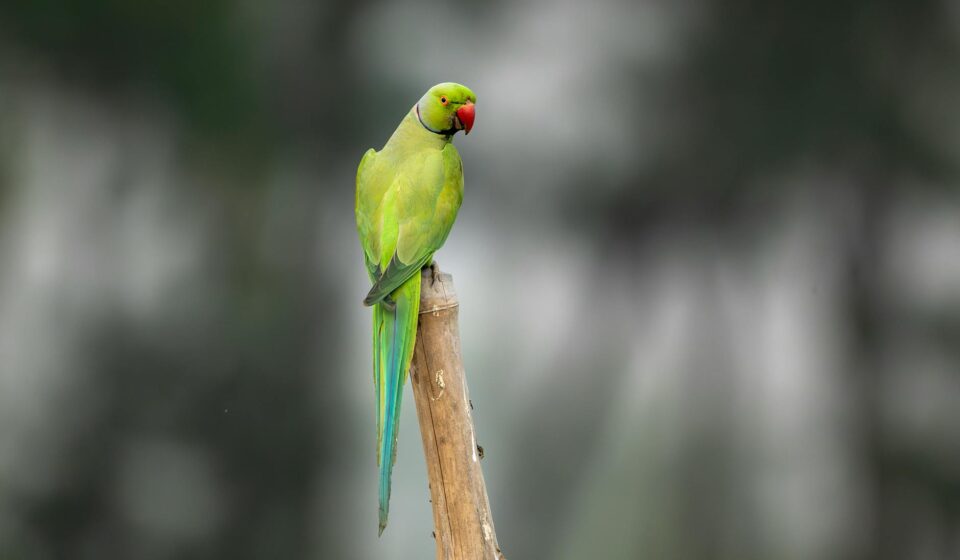
For many, the very image of a parrot conjures up a flash of brilliant green.
As of May 2026, this striking color remains the most prevalent among parrot species worldwide, making the term “green parrot green” almost synonymous with the avian beauty we associate with these intelligent birds. But why is this color so dominant? The answer lies deep within avian genetics and the evolutionary pressures that shaped these feathered companions.
Unlike pigments that create red or yellow hues, green coloration in birds, including parrots, is primarily structural. It arises from the way light interacts with the microstructures of the feather barbules. Specifically, a layer of yellow pigment (often carotenoid-based) sits atop a porous keratin structure that scatters blue light. The yellow pigment scatters when blue light, the result is the perception of green. This phenomenon, known as structural coloration, is incredibly efficient and allows for vibrant, iridescent shades.
This prevalence isn’t accidental. The natural world, particularly dense forest canopies and lush foliage, provides an ideal backdrop for green plumage. This camouflage is a critical survival advantage, helping parrots to blend seamlessly with their surroundings, evade predators, and approach food sources undetected. It’s a testament to nature’s elegant design, where form and function are inextricably linked.
A Spectrum of Green: Notable Green Parrot Species
While “green parrot” is a broad descriptor, the diversity within this category is astonishing. From the diminutive budgerigar to the majestic macaws, a vast array of species exhibit stunning green variations. Understanding these differences is key for anyone considering a green parrot as a pet.
Amazon Parrots: The Talkative Green Gems
Amazon parrots are arguably the most popular group of green parrots kept as pets, celebrated for their intelligence, engaging personalities, and remarkable ability to mimic human speech. Species like the Yellow-naped Amazon (Amazona auropunctata) and the Blue-fronted Amazon (Amazona aestiva) are highly sought after. Their primary coloration is a vivid green, often accented with splashes of yellow, blue, or red on their heads, wings, or chests. These birds are known for being social, playful, and sometimes quite loud.
When considering an Amazon parrot, prospective owners must be prepared for a commitment. These birds can live for 50-70 years, making them lifelong companions. Their vocalizations can be significant, and they require substantial mental stimulation to prevent boredom and behavioral issues. A spacious cage, a varied diet, and consistent social interaction are paramount.
Macaws: The Grand Green Giants
While many macaws are famous for their bright red, blue, and yellow plumage, several species boast significant green coloration. The Great Green Macaw (Ara ambiguus), also known as the Buffon’s Macaw, is one of the largest parrot species and is predominantly green with a yellow forehead. The Military Macaw (Ara militaris) is another impressive green species, characterized by its olive-green body and blue wing accents. These larger parrots require immense space, specialized diets, and experienced handlers due to their size, strength, and intelligence.
The Great Green Macaw, unfortunately, is critically endangered in the wild, making captive-bred individuals the only ethical option for pet ownership. Their care demands a significant investment in time, resources, and specialized knowledge. Owning a large macaw is not a decision to be taken lightly.
Conures: The Energetic Green Companions
Conures offer a more compact, yet equally vibrant, green parrot experience. Species like the Sun Conure (Aratinga solstitialis), while known for its yellow and orange, also has green on its wings. More fittingly, the Nanday Conure (Nandayus nenday) has a striking green body with a black head. The Jenday Conure (Aratinga jandaya) also features prominent green wings. These birds are known for their playful, curious, and often acrobatic nature. They are smaller than Amazons and Macaws, making them more manageable for some households, but they are still very social and vocal birds.
Conures are known for their boisterous personalities and can be prone to screaming if bored or seeking attention. Providing them with a wide array of toys for chewing and foraging is essential. Their average lifespan is around 20-30 years, a substantial commitment but less than larger parrots.
Budgerigars and Lovebirds: The Small Green Charmers
At the smaller end of the green parrot spectrum are budgerigars (budgies) and lovebirds. Wild budgies are native to Australia and are typically green with black scalloped markings on their heads and wings, along with blue on their rumps. Through selective breeding, domestic budgies come in an even wider array of colors, but green remains a foundational and popular choice. Lovebirds, originating from Africa, are also common in aviaries and homes. Species like the Peach-faced Lovebird (Agapornis roseicollis) are often green, sometimes with red or orange on their faces and chests.
These smaller parrots are less demanding in terms of space but still require significant social interaction and mental enrichment. They can learn to mimic sounds and even words, though perhaps not with the clarity of larger parrots. Their lifespan is typically 5-15 years for budgies and 10-20 years for lovebirds, representing a more accessible commitment for many pet owners.
The Science Behind the Green: Avian Genetics and Pigmentation
The green coloration in parrots is primarily a result of structural coloration, as previously mentioned, combined with specific pigments. The green hue is not typically a pigment itself but rather the outcome of blue light scattering through specialized feather structures, amplified by a layer of yellow pigment. This is different from red, orange, or yellow colors, which are usually produced by carotenoid pigments obtained from the diet.
Avian genetics plays a crucial role in determining the expression of these colors. Mutations in genes that control pigment production or feather structure can lead to variations in green intensity, or even entirely different colors. For example, a mutation that reduces or eliminates the yellow pigment layer in a parrot’s feathers, while still retaining the blue-scattering structures, can result in a blue parrot. Conversely, mutations affecting the structural elements can alter the way light scatters, producing iridescent or unusual shades.
According to a 2026 review in the Journal of Avian Biology, research into the specific genes responsible for green coloration in psittacines is ongoing, but it’s understood that the genes controlling pteridine synthesis (for blue structural colors) and carotenoid uptake (for yellow pigments) are key. The interplay between these genetic pathways dictates the final plumage seen. For instance, the common green color requires both the structural blue-scattering element and the overlaying yellow pigment. Without either, the green is compromised.
Feeding Your Green Parrot: Essential Nutritional Requirements
A healthy green parrot requires a balanced diet that mimics what it would consume in the wild, adapted for captive life. The staple of any parrot’s diet should be a high-quality, species-appropriate pellet. These are formulated to provide a broad spectrum of essential nutrients that are often difficult to achieve with seed-only diets.
Supplementing pellets with fresh fruits and vegetables is crucial. Leafy greens like kale, spinach, and romaine lettuce, along with colorful vegetables such as carrots, bell peppers, and sweet potatoes, are excellent choices. Fruits like apples (seeds removed), berries, and mangoes can be offered in moderation due to their sugar content. It’s vital to avoid certain foods toxic to parrots, including avocado, chocolate, caffeine, and alcohol. As of May 2026, avian veterinarians emphasize a varied diet to ensure optimal feather health, immune function, and overall well-being.
Foraging opportunities should also be incorporated into feeding. Hiding food in toys or puzzle feeders encourages natural foraging behaviors, which are essential for mental stimulation and preventing boredom. Whole grains, cooked legumes, and small amounts of seeds can be offered as treats or rewards, but they should not form the bulk of the diet, as high-fat seed mixes can lead to obesity and other health problems.
Understanding Green Parrot Behavior and Social Needs
Parrots, including green species, are highly intelligent and social creatures. In the wild, they live in flocks, communicating, foraging, and roosting together. This innate social drive translates directly to their needs as pets. A green parrot that lacks sufficient social interaction can develop behavioral issues such as feather-plucking, excessive screaming, or aggression.
Consistent daily interaction with their human flock is non-negotiable. This includes talking to them, playing with them, and allowing them supervised out-of-cage time. Positive reinforcement training using treats and praise can foster a strong bond and encourage desirable behaviors. Understanding parrot body language is also critical; a fluffed-up parrot might be content, cold, or aggressive, so context is key.
Many green parrots, especially Amazons, are known for their playful and sometimes mischievous personalities. They enjoy problem-solving activities and need a variety of safe toys that they can chew, shred, and manipulate. Rotating toys regularly keeps them engaged and prevents monotony. Their natural vocalizations can range from chirps and squawks to complex mimicry, and owners should be prepared for a potentially noisy companion.
Keeping Your Green Parrot Healthy: Common Issues and Prevention
Maintaining the health of a green parrot involves a multi-faceted approach focusing on diet, environment, and veterinary care. Regular check-ups with an avian veterinarian are essential, ideally annually for adult birds and more frequently for young or aging parrots. As of 2026, preventative care is emphasized over reactive treatment for most common avian ailments.
Common health issues in parrots include nutritional deficiencies (especially from seed-heavy diets), respiratory infections, feather-plucking disorders, and psittacosis (parrot fever). Ensuring a balanced diet rich in vitamins and minerals, providing a clean cage with good ventilation, and avoiding exposure to toxins (like smoke, aerosols, and fumes from non-stick cookware) are crucial preventive measures.
Signs of illness in birds can be subtle, as they instinctively try to hide weakness. Owners should be vigilant for changes in appetite, droppings consistency or color, breathing patterns, feather condition, or behavior. Prompt veterinary attention is vital if any concerning symptoms arise. Early detection significantly improves the prognosis for many conditions. [Related Article] is a vital resource for understanding specific avian health concerns.
The Long Commitment: Green Parrot Lifespans
One of the most significant considerations when bringing a green parrot into your home is their remarkable lifespan. Unlike many smaller pets, parrots are long-term commitments, often outliving their owners. This longevity is a critical factor that potential owners must fully understand and prepare for.
Smaller green parrots like budgies and lovebirds typically live between 5 to 20 years, depending on species and care. Medium-sized parrots, such as many conures and some smaller Amazon species, can live for 20 to 40 years. Larger parrots, including most Amazon parrots and Macaws, can have lifespans ranging from 50 to 80 years, with some individuals reportedly living even longer. For example, the Blue-fronted Amazon is known to live 60+ years with excellent care.
This means that acquiring a green parrot is not just a pet acquisition; it’s often a decision that impacts generations. Owners must consider who will care for the parrot should they become unable to do so. Responsible pet ownership entails planning for the entirety of the bird’s life, ensuring continuity of care, diet, and social environment. This long-term perspective is what distinguishes a truly committed parrot owner.
Making the Right Choice: Selecting a Green Parrot Pet
Choosing the right green parrot is a deeply personal decision that requires careful consideration of your lifestyle, living situation, and commitment level. There isn’t a single “best” green parrot; rather, there’s the best green parrot for you.
Assess your available space: larger parrots need significantly more room than smaller ones. Consider your time availability: some species require more social interaction and training than others. Think about noise tolerance: Amazons and Macaws can be very loud. Research the specific temperaments of different species and even individual birds. Visiting breeders, rescues, or aviaries can provide invaluable firsthand experience.
Look for signs of a healthy bird: bright, clear eyes, smooth feathers, active and alert demeanor, and clean nares. Reputable breeders and rescues will be knowledgeable and transparent about the bird’s history, health, and temperament. They should be willing to answer all your questions and may even have a screening process to ensure their birds go to suitable homes. The cost of a green parrot can vary widely, from under $50 for a budgie to several thousand dollars for larger, rarer species, not to mention ongoing costs for food, toys, and veterinary care.
Adoption and Rescue: Giving a Green Parrot a Second Chance
For many, adoption from a parrot rescue organization or sanctuary is the most rewarding way to acquire a green parrot. These birds often come into rescue because their previous owners could no longer care for them due to life changes, financial hardship, or a lack of understanding of the commitment involved. By adopting, you not only gain a companion but also provide a much-needed home for a bird that may have experienced abandonment or neglect.
Parrot rescues often have birds of all ages, species, and temperaments. Staff and volunteers typically have extensive experience with parrot behavior and health and can help match you with a bird that fits your lifestyle. The adoption process usually involves an application, interviews, and home visits to ensure a good fit for both the bird and the adopter. While adoption fees apply, they are generally much lower than purchasing from a breeder and help support the rescue’s ongoing work.
Giving a rescued green parrot a loving and stable home can be an incredibly fulfilling experience. These birds often adapt well to new environments and bond deeply with their new families, offering immense affection and companionship in return for a second chance at a happy life. The unique stories and resilience of rescued parrots add another layer of depth to the human-avian bond. As of May 2026, rescue organizations report a steady need for experienced bird owners.
Enrichment and Training: Fostering a Well-Adjusted Green Parrot
Beyond basic care, a truly thriving green parrot requires consistent enrichment and positive training. Boredom is the enemy of parrot well-being, and a lack of mental stimulation can lead to destructive behaviors and psychological distress. Providing a stimulating environment is as important as diet and veterinary care.
Foraging toys are paramount. These can range from simple DIY puzzles made from cardboard tubes and paper to commercially available intricate foraging devices. Offering a variety of textures, materials, and challenges keeps your parrot engaged. In addition, introducing new safe objects for exploration, such as natural branches, bells, and shreddable toys, can provide hours of entertainment. Social interaction should also be considered a form of enrichment; dedicated play sessions, grooming, and simply being present in the same room are vital.
Training using positive reinforcement methods can strengthen the bond between you and your parrot and teach them desirable behaviors. This could include stepping up onto your hand, coming when called, or even performing simple tricks. Such training is not just for entertainment; it’s a crucial part of a parrot’s mental exercise. Resources from avian behaviorists, such as those recommended by the Association of Avian Veterinarians, offer detailed guidance on effective and humane training techniques.
Preventative Health Measures for Green Parrots
Proactive health management is key to ensuring a long and vibrant life for your green parrot. Beyond regular veterinary check-ups, owners play a critical role in daily monitoring and creating a healthy living environment. A clean cage is fundamental; droppings should be removed daily, and the cage thoroughly cleaned weekly to prevent bacterial growth and parasitic infestations.
Environmental factors also play a role. Parrots require adequate humidity and temperature. Many species benefit from daily misting or a gentle shower to help maintain feather condition and hydration. Air quality is also paramount. Avoid using air fresheners, scented candles, aerosol sprays, and especially non-stick cookware (PTFE fumes are highly toxic to birds). Good ventilation in the home is a non-negotiable safety measure. As of 2026, avian health experts are increasingly highlighting the impact of air quality on long-term respiratory health in pet birds.
Recognizing subtle signs of illness is a crucial skill for any parrot owner. This includes changes in droppings (volume, color, consistency), ruffled feathers, lethargy, decreased appetite, unusual vocalizations, or difficulty breathing. If you notice any of these signs, consult your avian veterinarian immediately. Delaying care can be detrimental, as birds can decline rapidly.
Considering Noise Levels and Space Requirements
When selecting a green parrot, potential owners often underestimate the noise levels and space requirements associated with these intelligent birds. While all parrots vocalize, the intensity and frequency vary significantly by species. Amazon parrots, for instance, are known for their loud, piercing calls, particularly during dawn and dusk, or when excited or disturbed. Macaws can be even louder, with calls that can be heard for miles in their natural habitat.
Smaller parrots like budgies and lovebirds are generally much quieter, though they can still produce a considerable amount of chirping and chattering, especially when housed in groups. Conures fall somewhere in the middle, often being described as boisterous and prone to screaming fits if they are bored or seeking attention. It’s essential to consider your living situation – are you in an apartment building with close neighbors, or a detached house where noise is less of an issue? Are there young children or other pets in the household that might be stressed by loud noises?
Space is another critical factor. A bird’s cage should be large enough to allow them to fully extend their wings, climb, and play. For larger species like Amazons and Macaws, this means a cage that’s at least as tall as they are long, and preferably wider. Beyond the cage, parrots need ample supervised out-of-cage time to exercise and explore. This often requires parrot-proofing a room or an entire area of the house to ensure safety from household hazards like electrical cords, toxic plants, and open windows.
The Rewarding Journey of Rescuing a Green Parrot
Adopting a green parrot offers a profoundly rewarding experience, allowing you to provide a loving home to a bird in need. Many parrots end up in rescues due to owners being unprepared for the long-term commitment, lifestyle changes, or unexpected behavioral challenges. These birds, through no fault of their own, often require patience and understanding as they adjust to a new environment.
Rescue organizations are invaluable resources. They typically house birds of various ages and species, each with their own history and personality. The dedicated staff and volunteers work diligently to assess each bird’s needs and temperament, helping potential adopters find a compatible match. The adoption process usually involves thorough interviews, home checks, and an adoption fee that helps sustain the rescue’s operations. This ensures that the birds are placed in suitable, permanent homes.
The bond formed with a rescued parrot can be exceptionally strong. Many adopters find that once a rescued bird feels secure and loved, they become incredibly devoted companions. The journey of helping a parrot overcome past traumas and thrive in a safe, nurturing environment is immensely fulfilling. As of May 2026, adoption remains a critical part of managing the captive parrot population and offering these intelligent creatures the lives they deserve.
Final Thoughts on Green Parrots
Green parrots, in their myriad forms, represent a captivating segment of the avian world. Their vibrant plumage, intelligence, and complex social behaviors make them fascinating companions. From the boisterous Amazon to the tiny budgie, each species offers a unique experience for potential owners.
However, owning a green parrot is a significant responsibility. Their long lifespans, demanding dietary and social needs, and potential for noise and destruction require careful consideration and a deep commitment. Thorough research, realistic expectations, and a willingness to adapt are essential for a successful and harmonious relationship.
Whether you choose to adopt or purchase, a green parrot can bring immense joy, laughter, and companionship into your life. By understanding their natural history, specific care requirements, and unique personalities, you can ensure a fulfilling life for both you and your feathered friend.
Information current as of May 2026; pricing and product details may change.
Related read: Frill Necked Lizard: Your 2026 Care Guide
Frequently Asked Questions
What is Green Parrot Green: Your Complete Guide for 2026?
Green Parrot Green: Your Complete Guide for 2026 is a topic that many people search for.
Why does Green Parrot Green: Your Complete Guide for 2026 matter?
Understanding Green Parrot Green: Your Complete Guide for 2026 helps you make better decisions. Whether you’re a beginner or have some experience, staying informed on this topic is genuinely useful.
Where can I learn more about Green Parrot Green: Your Complete Guide for 2026?
We recommend checking authoritative sources and official websites for the most current information.
Source: Britannica
Editorial Note: This article was researched and written by the Pet Magazine editorial team. We fact-check our content and update it regularly. For questions or corrections, contact us.
Related read: How to Start a Pet Blog in 2026: Your Essential Guide.
About The Author