
The Reality of ‘Non-Shedding’ Dogs
For many prospective dog owners, the dream of a furry companion is often tempered by the reality of shedding. Constant vacuuming, lint rollers becoming a second skin, and the persistent worry about allergies can make the prospect daunting. However, the notion of a dog that truly sheds zero hair is a myth. All dogs shed to some degree, but certain breeds are known for minimal shedding, making them ideal for those seeking a cleaner home or managing allergies. As of May 2026, the demand for these low-shedding breeds continues to rise, driven by both aesthetic preferences and health considerations.
What this means in practice is that while no dog is completely hairless, some breeds lose significantly less hair than others. This is often due to their coat type, which can be wiry, curly, or more akin to human hair. These coats require regular grooming to prevent matting and manage the hair that does shed. Understanding the nuances between ‘non-shedding’ and ‘low-shedding’ is key to managing expectations and finding the right dog for your household.
Key Takeaways
- No dog is entirely non-shedding; ‘low-shedding’ is the accurate term.
- Breeds with curly, wiry, or hair-like coats tend to shed less.
- Regular grooming is crucial for low-shedding breeds to prevent matting.
- Hypoallergenic is a misnomer; low-shedding dogs can still trigger allergies in some individuals.
- Popular low-shedding breeds include Poodles, Bichon Frisés, and Schnauzers.
Hypoallergenic Dogs: Fact vs. Fiction
The term ‘hypoallergenic’ often leads people to believe a dog won’t cause any allergic reactions. However, this is a misleading label. Dander typically triggers pet allergies (dead skin cells), saliva, and urine, not just the fur itself. Dogs that shed less may deposit less dander around the home, but they still produce it. Therefore, a low-shedding dog is not necessarily a ‘hypoallergenic’ dog for everyone.
For individuals with severe allergies, even low-shedding breeds can pose a risk. It’s essential to spend time with a specific dog or breed before committing to adoption. According to the American Kennel Club (AKC), about 10% of the population is allergic to dogs, and while low-shedding breeds can mitigate symptoms for some, they are not a guaranteed solution. Understanding that dander is the primary allergen is crucial when evaluating a dog’s suitability for an allergy-prone household.
Compact Companions: Small Low-Shedding Breeds
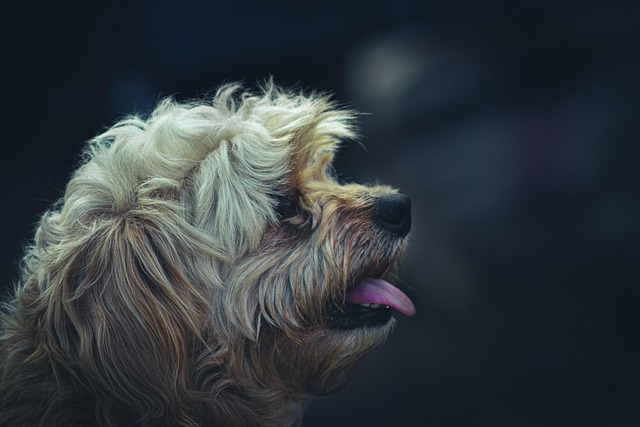
For those with smaller living spaces or a preference for pint-sized pals, several small dog breeds shed minimally. These dogs often have coats that require consistent grooming to maintain their health and appearance.
- Bichon Frise: These cheerful dogs have a distinctive white, curly double coat that traps loose hair. Regular brushing and professional grooming are essential to prevent mats.
- Shih Tzu: Known for their long, flowing hair, Shih Tzus shed very little. Their coat is more like human hair and requires daily brushing to avoid tangles. Many owners opt for a shorter ‘puppy cut’ for easier maintenance.
- Miniature Poodle: Poodles, in general, are famous for their non-shedding, curly coats. The miniature version offers all the intelligence and low-shedding benefits in a smaller package, making them excellent companions for apartment dwellers.
- Yorkshire Terrier: These tiny terriers have fine, silky hair that grows continuously, much like human hair. They shed minimally but require regular brushing and occasional trims.
- Cairn Terrier: With a double coat, the outer layer is harsh and wiry, which helps trap loose hair. This breed sheds very little, but their coat needs regular grooming to keep it in good condition.
Practically speaking, even with these small breeds, consistent grooming is non-negotiable. A good set of brushes and regular professional grooming appointments are part of the commitment for these breeds. Expect to spend between $50-$150 per professional grooming session, depending on your location and the dog’s coat needs.
Medium-Sized Marvels: Less Hair, Big Personalities
If you’re looking for a dog with a bit more presence, several medium-sized breeds offer minimal shedding. These dogs often have coats that require dedicated care but reward owners with less fur around the house.
- Portuguese Water Dog: Famously owned by former President Obama, these intelligent dogs have a dense, curly or wavy coat that sheds very little. They require regular grooming and are known for their active nature.
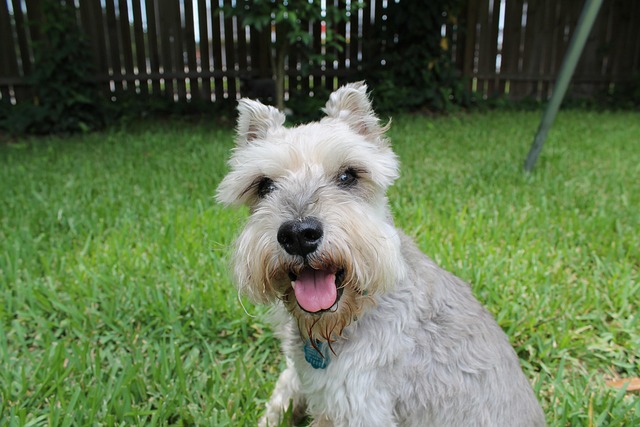
- Schnauzers (Standard): Whether Miniature, Standard, or Giant, Schnauzers possess a distinctive wiry coat that sheds minimally. Their coat needs regular brushing and professional grooming, including stripping or clipping, to maintain its texture and prevent matting.
- Kerry Blue Terrier: This Irish breed has a soft, wavy, and dense coat that sheds very little. It requires regular brushing and trimming to keep it tidy and free of tangles.
- Irish Water Spaniel: These distinctive dogs have a dense, curly, and waterproof coat that sheds minimally. They need regular grooming to prevent matting and keep their coat healthy.
- Wheaten Terrier: Known for their soft, single, wavy coat, Soft-Coated Wheaten Terriers shed very little. However, their coat requires daily brushing to prevent tangles and mats, especially if kept long.
What this means in practice is that while you’re saving on vacuum bags, you’ll be investing time or money into grooming. For a medium-sized dog with these coat types, professional grooming might cost $75-$200 every 6–8 weeks.
Gentle Giants: Large Dog Breeds That Shed the Least
Don’t let their size fool you; some large dog breeds are surprisingly low-shedding. These breeds often have unique coat types that contribute to less dander and hair around your home.
- Standard Poodle: The largest of the Poodle varieties, Standard Poodles are highly intelligent and have the same non-shedding curly coat as their smaller counterparts. Their size means grooming needs are on a larger scale, but the benefit of minimal shedding remains.
- Airedale Terrier: The largest terrier breed, Airedales have a dense, wiry topcoat and a softer undercoat. They shed minimally, with their coat requiring regular brushing and professional grooming, often including hand-stripping for show dogs.
- Giant Schnauzer: The largest of the Schnauzer breeds, they share the characteristic wiry coat that sheds very little. Similar to the Standard Schnauzer, they need consistent grooming to manage their dense coat.
- Bouvier des Flanders: This rugged herding dog has a dense, curly, or tousled outer coat that sheds minimally. Regular grooming is essential to prevent matting and keep their coat healthy.
- Komondor: Famous for their distinctive corded coat, Komondors are a large Hungarian breed that sheds very little. Their unique coat requires specialized care and is prone to trapping dirt and moisture if not managed properly.
A practical insight for large breeds: grooming costs can escalate with size. For a large dog like a Standard Poodle or Bouvier des Flanders, expect professional grooming sessions to range from $100-$250 or more, typically every 6–10 weeks.
The Hairless Advantage: Breeds with Minimal to No Hair
When the ultimate in low-shedding is desired, hairless breeds are the go-to. These dogs have little to no visible hair, but their skin requires specific care to stay healthy.
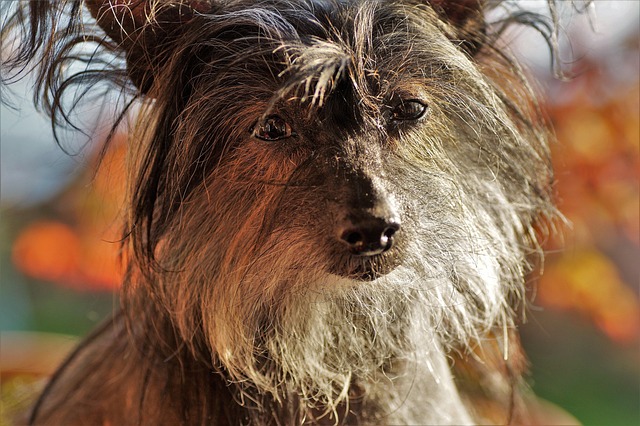
- Chinese Crested: Available in a ‘hairless’ and a ‘powder puff’ variety, the hairless Chinese Crested has hair only on its head, feet, and tail. Their skin is susceptible to sunburn and dryness, requiring protection and moisturizing.
- Xoloitzcuintli (Mexican Hairless Dog): This ancient breed comes in three sizes and is primarily hairless, though some may have a small tuft of hair. Their skin needs protection from extreme temperatures and sun.
- American Hairless Terrier: This energetic breed is completely hairless. Like other hairless breeds, their skin needs regular cleaning and protection from the elements.
- Peruvian Inca Orchid: Another largely hairless breed, these dogs are elegant and require skin care similar to other hairless varieties.
What this means in practice is a shift in care priorities. Instead of dealing with shed hair, owners of hairless breeds must focus on skin health. This can include regular bathing, moisturizing lotions, and sun protection (like doggy sunscreen or protective clothing), which can add an ongoing cost of $20-$50 per month.
Essential Grooming for Low-Shedding Breeds
Even breeds that shed minimally require diligent grooming to prevent health issues and maintain their coat’s condition. Regular brushing is paramount to remove loose hair, prevent matting, and distribute natural skin oils, which keeps the coat healthy and shiny. For curly or wiry coats, a slicker brush, pin brush, and comb are essential tools. For hairless breeds, gentle cleansing and moisturizing are key.
Professional grooming is often recommended for many low-shedding breeds, especially those with complex coat types like Poodles or Schnauzers. These professionals can perform specialized trims, de-shedding treatments (yes, even low-shedders benefit from this!), and deep conditioning. According to industry estimates as of 2026, a complete grooming session for a small to medium low-shedding dog can cost between $70 and $180, while larger breeds might incur costs of $100 to $250+ per visit, typically needed every 6–10 weeks.
A practical insight: Investing in quality grooming tools can save money on professional visits. A good set of brushes, a detangling spray, and doggy shampoo can cost around $50-$100 initially but will last for years. Learning basic grooming techniques at home can also extend the time between professional appointments.
Beyond the Coat: Temperament and Exercise
While shedding is a primary concern for many, it’s crucial to remember that temperament and exercise needs are equally important when choosing a dog. Low-shedding breeds come with diverse personalities and energy levels. For example, Portuguese Water Dogs and Standard Poodles are highly intelligent and energetic, requiring significant daily exercise and mental stimulation. They thrive in active households that can provide ample opportunities for play, training, and outdoor activities.
On the other hand, breeds like the Shih Tzu or Bichon Frise are generally more adaptable to less active lifestyles and can be content with shorter walks and indoor play. However, all dogs benefit from socialization and consistent training. Understanding a breed’s typical temperament, as outlined by reputable organizations like the AKC, is vital for ensuring a good match with your family and lifestyle. Expecting a Poodle to be a couch potato is unrealistic; similarly, expecting a Shih Tzu to excel in agility without significant training would be misguided.
From a different angle, consider that a dog’s energy level can influence how much it ‘acts out’ at home. A bored, under-exercised dog, regardless of shedding, may develop destructive behaviors. Ensuring you can meet a breed’s exercise and mental stimulation needs is as critical as managing their coat. For instance, a Komondor, while low-shedding, is a large working breed with substantial exercise requirements.
Debunking Myths: What You Need to Know
One of the biggest misconceptions is that low-shedding dogs are entirely maintenance-free. As highlighted, their coats often require more intensive grooming than high-shedding breeds to prevent matting and skin issues. Another myth is that all low-shedding dogs are suitable for everyone with allergies. As discussed, dander and saliva are common triggers, and individual reactions vary greatly.
Some people also assume that because a dog doesn’t shed much, they don’t need regular baths or grooming. This is incorrect. For instance, hairless breeds need regular skin care to prevent dryness or irritation, and breeds with dense undercoats, even if they don’t shed much visibly, can develop skin problems if not properly groomed. The AKC notes that breeds like the Puli, known for its corded coat, require specialized care to maintain hygiene and prevent odor.
Making the Right Choice: Key Considerations
When selecting a dog breed that doesn’t shed much, consider these factors: your lifestyle (activity level, time commitment for grooming), your living situation (apartment vs. House, yard access), your family dynamics (children, other pets), and your experience with dog ownership. Researching specific breeds thoroughly is crucial.
Grooming Commitment: Be honest about how much time and money you can dedicate to grooming. Some breeds need daily brushing, while others require professional trims every few weeks. For example, a Shih Tzu’s long coat needs daily attention, whereas a Miniature Poodle’s clipped coat needs professional grooming every 4–6 weeks.
Temperament: Match the dog’s personality to your own. Are you looking for a playful, energetic companion or a calm, laid-back friend? Consider breeds known for their suitability with children or other pets if applicable.
Allergies: If allergies are a concern, spend time with the specific breed and, if possible, the individual dog before bringing it home. Consult with an allergist for personalized advice.
Exercise Needs: Ensure you can meet the breed’s exercise requirements. An under-exercised dog can develop behavioral issues, regardless of shedding.
Ultimately, a dog that doesn’t shed much can be a wonderful addition to many homes, but it requires informed choices and a commitment to their specific care needs. By understanding the realities and requirements, you can find a furry friend that perfectly fits your life.
Information current as of May 2026; pricing and product details may change.
Related read: Livestock Guardian Dogs: Protecting Flocks and Herds in 2026
Frequently Asked Questions
What is dog breeds that dont shed?
dog breeds that dont shed is a topic that many people search for.
Why does dog breeds that dont shed matter?
Understanding dog breeds that dont shed helps you make better decisions. Whether you’re a beginner or have some experience, staying informed on this topic is genuinely useful.
Where can I learn more about dog breeds that dont shed?
We recommend checking authoritative sources and official websites for the most current information.
Editorial Note: This article was researched and written by the Pet Magazine editorial team. We fact-check our content and update it regularly. For questions or corrections, contact us. Knowing how to address dog breeds that dont shed early makes the rest of your plan easier to keep on track.
Related read: Guide to Dog Healthy Weight in 2026.
About The Author