


s of other colors. While the exact reasons are debated, several factors are commonly cited. Some believe it stems from historical superstitions linking black animals to bad luck or witchcraft, an association that may linger in the collective consciousness.
Last updated: May 17, 2026
Practically speaking, another significant factor is visibility. In dimly lit shelters, a black dog can be harder to see and appreciate compared to lighter-colored dogs. Their features might blend into the shadows, making it difficult for potential adopters to form a connection. Without expert lighting or clear descriptions, the nuances of their expressions or physical build can be missed.
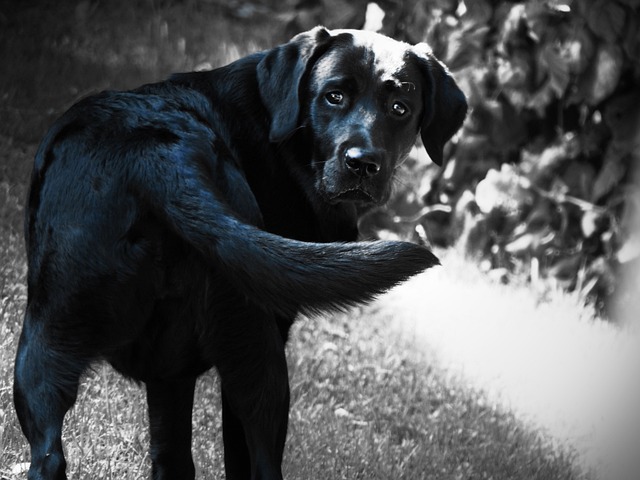
From a different angle, many popular breeds, such as Labradors and German Shepherds, often come in black variants. These breeds are frequently sought after, but if a black dog is perceived as less attractive or more common, it might be passed over for a lighter-colored counterpart within the same breed. This is purely a matter of perception and unfortunately has no bearing on the dog’s actual suitability as a pet.
Dispelling Myths: The Truth About Black Dog Temperaments
One of the most persistent myths is that black dogs are more aggressive or have more challenging temperaments. This is simply untrue. A dog’s temperament is shaped by genetics, socialization, training, and environmental factors, not by the pigment in its coat. According to the American Kennel Club (AKC), breed characteristics are far more indicative of behavior than coat color.
Many of the most beloved and gentle dog breeds come in black, including the Newfoundland, Golden Retriever (though less common, it exists), and Labrador Retriever. These breeds are renowned for their friendly disposition, loyalty, and suitability as family pets. The notion that a black coat equates to a “bad” dog is a harmful misconception that needs to be challenged.
What this means in practice is that when considering a black dog, one should focus on the individual dog’s personality, energy level, and history, just as they would with any other dog. Shelter staff and rescue organizations can provide valuable insights into a specific black dog’s temperament and needs. For instance, a playful, energetic black Labrador mix might be a perfect match for an active family, regardless of its coat color.
Caring for Your Black Dog: Unique Considerations
While black dogs are generally as healthy as dogs of any other color, their dark coats do require some specific care. The most significant consideration is their susceptibility to heat. Dark pigments absorb more sunlight, meaning black dogs can overheat more quickly than lighter-colored dogs, especially during warmer months. It’s crucial to provide plenty of shade, fresh water, and avoid strenuous exercise during peak heat hours.
According to the National Canine Research Council (2025), owners of dark-colored dogs should be particularly mindful of heatstroke symptoms, which include excessive panting, drooling, lethargy, and vomiting. Owners should also be aware of potential sunburn on areas where the fur is thin or parted, such as the nose, ear tips, and belly. Some owners opt for dog-safe sunscreen for these sensitive areas, or ensure their dog wears protective clothing during prolonged sun exposure.
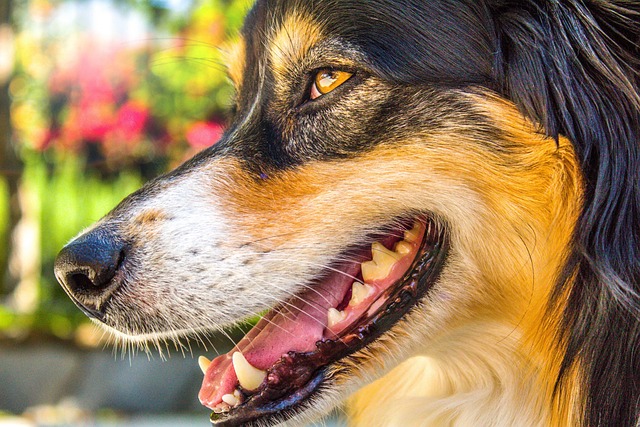
Beyond heat and sun, black dog coats can sometimes appear dull or dry if not properly cared for. A balanced diet rich in omega-3 and omega-6 fatty acids is essential for maintaining a glossy, healthy coat. Regular brushing helps distribute natural oils and remove loose fur, keeping the coat in good condition. While some black dogs may develop a reddish or rusty hue in their fur when exposed to excessive sun or due to nutritional deficiencies, this is often manageable with proper diet and protection.
Tips for Adopting a Black Dog
Adopting any dog is a significant commitment, but with black dogs, a little extra effort can go a long way. When visiting a shelter, take the time to truly observe the black dogs. Look for signs of engagement, curiosity, and a friendly demeanor. If possible, interact with them in a quieter, well-lit area to get a better sense of their personality.
Don’t be afraid to ask shelter staff and volunteers detailed questions. Inquire about the dog’s history, behavior, and any known medical issues. Many shelters are now implementing better lighting and “bio-sheds” to make it easier to appreciate the individuality of all their dogs. The Black Dog Project, a UK-based initiative, has also worked to raise awareness and improve shelter environments for black dogs.
When you bring your black dog home, be patient as they adjust. Providing a safe, comfortable space, consistent routines, and positive reinforcement training will help them settle in. Early socialization is key for any puppy, and black dogs are no exception. Exposing them to various sights, sounds, people, and other well-behaved dogs in a controlled manner will build their confidence.
The Rewards of Black Dog Companionship
The loyalty and affection of a black dog are boundless. Many adopters report that their black dogs are incredibly intuitive, sensing their moods and offering comfort when needed. Their sleek, dark coats can be remarkably resilient and often require less grooming than some lighter-colored dogs with finer fur, though proper nutrition remains paramount for coat health.
Plus, adopting a black dog directly combats the “black dog syndrome.” By choosing a black dog, you are giving a deserving animal a second chance and helping to change the perception surrounding them. The gratitude and love a rescued black dog offers are immeasurable. Think of a black dog as a classic car – timeless, elegant, and full of character.
For example, a family who adopted a shy black mixed-breed named Shadow found that with patience and positive training, Shadow blossomed into a confident, playful companion. Shadow now enjoys long walks in the park and is the doted-upon best friend of the family’s children, proving that coat color is irrelevant to a dog’s capacity for love and loyalty. The family reports that Shadow’s calm demeanor makes him an excellent addition, even to households with young children.
Popular Black Dog Breeds and Their Traits
While many black dogs are mixed breeds, several purebred dogs are known for their stunning black coats. Understanding their breed characteristics can help potential owners find a good match.
Labrador Retriever: Despite their name, Labradors come in three recognized colors: black, yellow, and chocolate. Black Labs are known for being outgoing, eager to please, and highly trainable, making them excellent family pets and working dogs. They require significant exercise and mental stimulation.
Poodle (Standard, Miniature, Toy): Poodles are highly intelligent and come in various sizes and colors, including black. Black poodles are known for their playful nature and hypoallergenic coats, though their grooming needs are extensive. They thrive on interaction and can be prone to separation anxiety if left alone too long.
Rottweiler: These strong dogs are powerful and confident, with a distinctive black and tan coat. Rottweilers are loyal and protective of their families but require experienced handling, early socialization, and consistent training due to their strength and guarding instincts.
Doberman Pinscher: Sleek and athletic, Dobermans are known for their intelligence, loyalty, and alertness. Black is one of their most common coat colors. They are excellent guard dogs and active companions, needing plenty of exercise and mental engagement.
Scottish Terrier: These small but sturdy terriers are known for their independent spirit, feisty nature, and distinctive black coat. Scotties are loyal to their families but can be reserved with strangers and require consistent training.
It’s important to remember that individual personalities within any breed can vary significantly. When choosing a dog, meeting the individual and understanding their specific needs is paramount, regardless of breed or color.
Common Mistakes When Considering a Black Dog
One of the most common mistakes is assuming a black dog will be aggressive or difficult to train solely based on its color. This prejudice can lead potential owners to overlook perfectly wonderful canine companions. Focusing on breed characteristics and individual personality is far more productive.
Another mistake is underestimating their need for protection from the sun and heat. Owners might not realize how quickly a black coat can absorb heat, leading to dangerous overheating. Always be mindful of the weather and your black dog’s comfort levels. Ensuring adequate hydration and avoiding peak sun exposure is non-negotiable.
Finally, some people might avoid black dogs because they believe their dark fur makes it harder to spot parasites like fleas or ticks. While it’s true that dark fur can camouflage some pests, regular grooming and veterinary check-ups are the best defense against parasites for any dog, regardless of coat color. Vigilance and preventative care are key.
Expert Insights for Black Dog Owners
Shelter professionals and experienced veterinarians often emphasize that black dogs, like all dogs, thrive on routine, positive reinforcement, and a strong bond with their human families. Dr. Anya Sharma, a veterinarian with 15 years of experience, notes, “I’ve seen countless black dogs flourish with loving owners. Their coat color is superficial; their heart and loyalty are what truly matter.”
When it comes to training, consistency is key. For black dogs, especially larger breeds, basic obedience training starting from puppyhood is essential. This not only ensures a well-behaved dog but also strengthens the human-animal bond. Utilizing positive reinforcement techniques, such as treats and praise, is highly effective and recommended by animal behaviorists for all dogs.
Practically speaking, investing in a quality, reflective collar or leash for your black dog can significantly enhance their visibility during dawn, dusk, or nighttime walks. This is a simple yet effective safety measure. Additionally, consider a dog-safe cooling vest or mat for warmer climates to help regulate their body temperature. These practical additions ensure comfort and safety for your dark-coated friend.
Frequently Asked Questions
Are black dogs less friendly than other dogs?
No, a dog’s friendliness is determined by its breed, genetics, socialization, and training, not its coat color. Many black dogs are incredibly affectionate and social creatures.
Do black dogs shed more than other dogs?
Breed and coat type primarily determins shedding, not color. Some black dogs may have dense coats that shed seasonally, while others have finer coats with less shedding.
Is it harder to see fleas or ticks on black dogs?
It can be slightly more challenging, but regular grooming and using a flea comb are effective ways to detect parasites on black dogs, just as with any other dog.
Are black dogs more prone to sunburn?
Yes, their dark coats absorb more sunlight, making them more susceptible to sunburn, especially on thinly furred areas like the nose and ears. Extra sun protection is advisable.
Do black dogs have specific health issues?
While black dogs don’t have a unique set of health issues tied to their color, certain breeds that are commonly black may have breed-specific predispositions. Always consult with a veterinarian.
Why are black dogs often the last to be adopted?
This is often attributed to “black dog syndrome,” a combination of lingering superstitions, difficulty in seeing them in shelters, and the perception that they are less attractive or more common.
The journey of bringing a black dog into your life is a rewarding one. By understanding their needs, dispelling myths, and offering them the love and care they deserve, you gain a loyal and devoted companion. Consider opening your heart and home to a black dog; you might just find your perfect match.
Information current as of May 2026; pricing and product details may change.
Editorial Note: This article was researched and written by the Pet Magazine editorial team. We fact-check our content and update it regularly. For questions or corrections, contact us.
Related read: Dog Pillow 2026: Choosing the Perfect Comfort Zone.
About The Author