


Understanding the King Shepherd vs. German Shepherd Distinction
This guide covers everything about german shepherd king shepherd. For many dog enthusiasts, the imposing presence of the King Shepherd sparks curiosity, often leading to the question: how does it truly differ from its well-known ancestor, the German Shepherd? As of May 2026, the King Shepherd stands as a distinct breed recognized for its substantial size and commanding stature, while retaining many of the admirable qualities of the German Shepherd. This article delves into their unique characteristics, helping prospective owners make an informed decision.
Last updated: May 17, 2026
While both breeds share a heritage and a noble disposition, the King Shepherd was specifically developed to be larger and stronger, a testament to selective breeding for specific traits. Understanding these nuances is crucial for ensuring the right fit for your household and lifestyle.
Key Takeaways
- The King Shepherd is a distinct breed, larger and more powerfully built than the standard German Shepherd.
- While sharing intelligence and loyalty, temperament can vary, with King Shepherds sometimes being calmer due to their larger size.
- King Shepherds typically require more space and a higher calorie intake due to their size.
- Both breeds are prone to certain orthopedic issues like hip and elbow dysplasia.
- Responsible breeding and early socialization are critical for both breeds’ well-being.
A Tale of Two Shepherds: Divergent Paths
The German Shepherd Dog (GSD) boasts a rich history originating in Germany in the late 1800s, meticulously bred by Captain Max von Stephanitz for herding and later for military and police work. Their intelligence, trainability, and versatility quickly made them a global phenomenon. The breed standard emphasizes athleticism, a strong work ethic, and a dignified, confident demeanor.
The King Shepherd, however, emerged much later, in the latter half of the 20th century. Developed by American breeders, the primary goal was to create a dog with the intelligence and loyalty of the German Shepherd but with significantly increased size and a more imposing presence. This was often achieved through selective breeding programs that may have involved outcrossing with other large breeds, though proponents emphasize a strong lineage back to German Shepherd stock. Consequently, the King Shepherd is often considered a distinct breed or a specialized type of German Shepherd, rather than a direct descendant in the same lineage.

Size Matters: The Striking Physical Differences
The most obvious distinction lies in their physical stature. German Shepherds are substantial dogs, typically standing 22–26 inches at the shoulder and weighing 50–90 pounds. They possess a strong, muscular build with a distinctive sloping back, contributing to their agile movement.
King Shepherds, on the other hand, are giants. They commonly stand 26-30 inches or more at the shoulder and can weigh anywhere from 90 to over 150 pounds. Their build is more massive and less angular than the GSD, often presenting a straighter backline and a broader chest. This sheer size difference means King Shepherds require more space, stronger fencing, and a more substantial feeding regimen to maintain their physique.
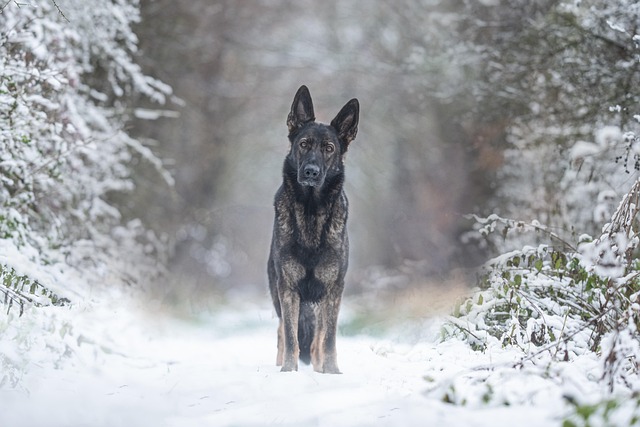
In terms of appearance, while both share a similar head shape and erect ears, the King Shepherd’s coat can be longer and more abundant, and their overall impression is one of greater power and bulk. Colors can vary in both breeds, though typical German Shepherd hues like black and tan, sable, and solid black are common in King Shepherds as well, alongside other variations depending on the specific bloodlines. According to breeder estimates as of 2026, the purchase price for a King Shepherd puppy can range from $1,600 to $4,000, often higher than a German Shepherd puppy which might range from $800 to $2,500, depending on lineage and breeder reputation.
Temperament: Shared Intelligence, Divergent Expressions
Both German Shepherds and King Shepherds are renowned for their intelligence, loyalty, and protective instincts. They are highly trainable breeds, eager to please their owners and excel in various roles from family companions to working dogs.
However, subtle differences in temperament are often noted. German Shepherds, particularly those bred for working lines, can be more high-strung and intense, requiring consistent mental and physical stimulation to prevent boredom and potential behavioral issues. Their protective nature can sometimes manifest as suspicion towards strangers if not properly socialized.
King Shepherds, due to their larger size and potentially more relaxed breeding focus, are sometimes described as being calmer and more laid-back than their smaller counterparts. While still protective and loyal, their intensity may be tempered, making them potentially more suitable for families with younger children or less experienced dog owners, provided adequate training and socialization are in place. Early and consistent socialization is paramount for both breeds to ensure they grow into well-adjusted adults. The American Kennel Club (AKC) doesn’t currently recognize the King Shepherd as a distinct breed, meaning official breed-specific temperament standards are not yet established by major kennel clubs, but breeder consensus points to these general distinctions.
Health Considerations for Giant and Standard Shepherds
Like many large and giant breeds, both German Shepherds and King Shepherds are predisposed to certain health conditions. Hip and elbow dysplasia are significant concerns for both, stemming from their large bone structure and sometimes rapid growth. Responsible breeders screen their breeding stock for these conditions, a practice recommended by organizations like the Orthopedic Foundation for Animals (OFA).
Other potential health issues include bloat (gastric dilatation-volvulus), a life-threatening condition common in deep-chested breeds. Degenerative myelopathy, a progressive neurological disease, is also a concern, particularly in German Shepherds. King Shepherds may also be susceptible to cardiac issues and certain cancers due to their size and genetic makeup. According to the German Shepherd Club of America, the average lifespan for a German Shepherd is 9–13 years. For King Shepherds, due to their giant breed status, the average lifespan is often shorter, typically ranging from 7 to 11 years, though well-cared-for individuals can exceed this.
Regular veterinary check-ups, a balanced diet, and appropriate exercise are vital for managing these risks. As of 2026, veterinary care costs for large breeds can be substantial, with specialized treatments for orthopedic issues potentially running into thousands of dollars. Pet insurance can be a valuable consideration for owners of either breed.
Meeting the Needs: Care and Training Regimens
Training for both breeds should begin early, focusing on positive reinforcement methods. Their intelligence makes them quick learners, but their size can make an untrained dog a challenge to manage. German Shepherds thrive on having a job to do and require significant daily exercise, often 1–2 hours of vigorous activity, including training sessions, runs, or play.
King Shepherds also need regular exercise, but their needs might be slightly less intense than a high-drive GSD. Moderate daily walks and opportunities for play are generally sufficient, but it’s crucial to avoid over-exertion, especially in younger dogs whose joints are still developing. Over-exercising can exacerbate orthopedic issues. Their larger size means they require more food, and owners must be mindful of providing a high-quality diet formulated for large or giant breeds to support healthy growth and prevent obesity, which is detrimental to joint health.
Grooming for both breeds involves regular brushing to manage shedding, which can be significant, especially during seasonal changes. Occasional baths and nail trims are also standard. The key difference in care is scale: grooming a King Shepherd takes more time, and their food bills will be considerably higher. For instance, a large bag of premium dog food suitable for giant breeds might cost between $70-$120, compared to $50-$80 for a bag suitable for a standard German Shepherd, and this would be consumed at a faster rate by the King Shepherd.

Choosing Your Canine Companion: Which Breed is Right for You?
The choice between a German Shepherd and a King Shepherd hinges on your lifestyle, living situation, and expectations. A German Shepherd might be ideal for active individuals or families looking for a versatile, intelligent, and highly trainable dog that can participate in various activities and potentially work. They thrive on engagement and a strong bond with their owner.
A King Shepherd could be a better fit for those with ample space, a sturdy home environment, and a desire for a more imposing, yet potentially calmer, guardian. Their sheer size requires commitment in terms of food, housing, and handling. They are loyal and protective, often forming deep bonds with their families. Prospective owners should be prepared for the significant financial commitment, with ongoing costs for food, veterinary care, and supplies being higher for the larger breed.
It’s essential to research breeders thoroughly for both breeds. Look for those who prioritize health testing, temperament, and responsible breeding practices. A well-bred German Shepherd or King Shepherd will be a devoted and rewarding companion for years to come. As of 2026, it’s crucial to look beyond just appearance and consider the substantial commitment each breed entails.
Navigating Pitfalls: Common Mistakes with Large Shepherd Breeds
One common mistake is underestimating the exercise needs of a German Shepherd, leading to destructive behaviors or anxiety. Conversely, over-exercising a young King Shepherd can cause serious joint problems. Owners must understand the specific physical demands tailored to each breed’s size and developmental stage.
Another pitfall is neglecting early and consistent socialization. Both breeds can become overly protective or fearful if not exposed to various people, environments, and other animals from a young age. This is particularly critical for the imposing King Shepherd, whose size can be intimidating if they lack proper social graces. Failing to invest in professional training or obedience classes is also a frequent error, especially with the powerful German Shepherd and the even larger King Shepherd.

Expert Recommendations for King and German Shepherd Owners
For any owner of these large breeds, investing in a high-quality diet specifically formulated for large or giant breeds is non-negotiable. German shepherd king shepherd supports skeletal health and manages growth rates. According to veterinary nutritionists, ensuring the correct calcium-to-phosphorus ratio in puppy food is critical for preventing developmental orthopedic diseases. For German Shepherds, consider diets that support joint health, like those containing glucosamine and chondroitin. For King Shepherds, ensuring adequate but not excessive calorie intake is vital to prevent obesity, which places immense stress on their large frames.
Consistent training is also paramount. Beyond basic obedience, consider engaging them in dog sports like agility, tracking, or scent work. German shepherd king shepherd provides mental stimulation and strengthens the bond. For King Shepherds, focus on impulse control and polite greetings, as their size can inadvertently cause issues if they jump or are overly boisterous. A good resource for understanding breed-specific health concerns is the American Veterinary Medical Association (AVMA), which provides extensive resources on common canine ailments and preventative care.
Frequently Asked Questions
What is the main difference between a German Shepherd and a King Shepherd?
The primary difference is size. King Shepherds are significantly larger and more powerfully built, often weighing over 100 pounds, whereas German Shepherds typically range from 50–90 pounds.
Is a King Shepherd a good family dog?
Yes, King Shepherds can be excellent family dogs due to their loyalty and protective nature, often exhibiting a calmer temperament than German Shepherds, provided they are well-socialized and trained.
Which breed is more intelligent?
Both breeds are highly intelligent. German Shepherds are often considered exceptionally intelligent and trainable, excelling in working roles. King Shepherds are also very intelligent, though their perceived intensity might be less pronounced.
Are King Shepherds prone to more health problems than German Shepherds?
Both breeds share predispositions to orthopedic issues like hip and elbow dysplasia. King Shepherds, as a giant breed, may have a shorter lifespan and be more susceptible to conditions associated with extreme size, such as bloat and certain heart conditions.
What is the average cost of a King Shepherd puppy in 2026?
As of May 2026, King Shepherd puppies can range from approximately $1,600 to $4,000, reflecting their rarity and specialized breeding compared to German Shepherds.
Do King Shepherds shed more than German Shepherds?
Both breeds are moderate to heavy shedders. The King Shepherd, often with a denser or longer coat, may appear to shed more, requiring consistent grooming from both breeds.
Are King Shepherds recognized by major kennel clubs?
Currently, the American Kennel Club (AKC) and other major international kennel clubs don’t recognize the King Shepherd as a distinct breed, though they are gaining popularity and recognition among breeders and enthusiasts.
Information current as of May 2026; pricing and product details may change.
Source: Britannica
Editorial Note: This article was researched and written by the Pet Magazine editorial team. We fact-check our content and update it regularly. For questions or corrections, contact us. Knowing how to address german shepherd king shepherd early makes the rest of your plan easier to keep on track.
Related read: Can Dogs Eat Sweet Potatoes? 2026 Guide.
About The Author