
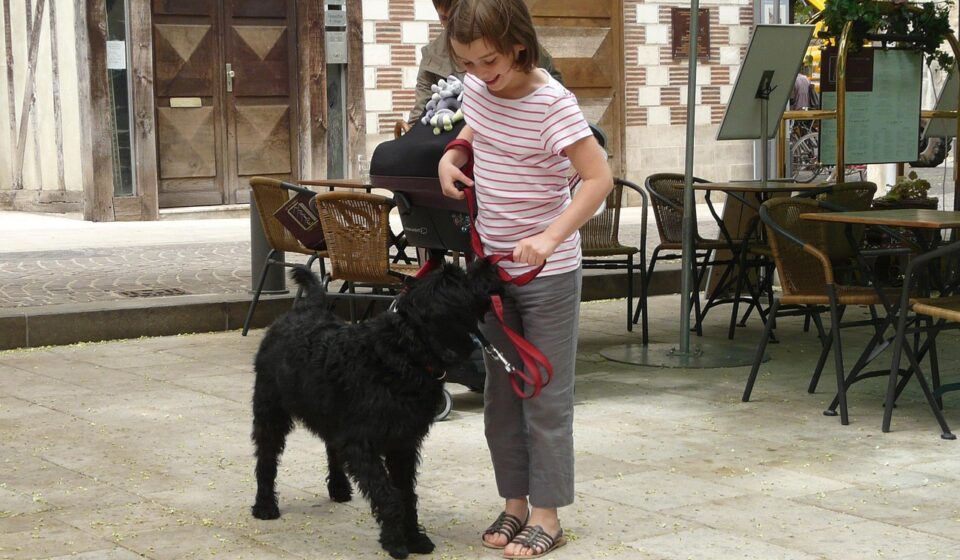

Why Choosing the Right Breed Matters for Your Family
For anyone working through the exciting question of bringing a dog into a home with children, the sheer volume of breeds can be overwhelming. As of June 2026, the desire for a canine companion that seamlessly integrates into family life is stronger than ever. The goal isn’t just to get a pet, but to find a furry member who will be a patient playmate, a loyal friend,, and a safe presence around your kids.
Last updated: July 12, 2026
The right dog breed for kids is one whose inherent temperament, energy level, and size align with your family’s lifestyle and your children’s ages and personalities. A mismatched pairing can lead to stress for both the dog and the family, potentially resulting in behavioral issues or disappointment. Understanding breed characteristics is the first step toward a successful, lifelong bond.
Key Takeaways
- Select breeds known for patience, gentleness, and a good temperament around children.
- Consider your family’s activity level; high-energy dogs need active families.
- Age and size of children are crucial factors in choosing a dog’s size and energy.
- Early socialization and consistent training are vital for any dog living with kids.
What Makes a Dog Great With Kids?
Beyond just being a canine, a dog that thrives with children possesses specific traits. These aren’t exclusive to one breed but are more common in certain lines. Key characteristics include a high tolerance for noise and sudden movements, a gentle mouth (low tendency to nip or mouth), and an innate desire to be part of the family unit.
Adaptability is also crucial. Dogs that can adjust to a child’s unpredictable schedule and energy fluctuations, and who aren’t easily stressed by playful chaos, tend to be the best fit. According to the American Kennel Club (AKC) 2026 breed standards, traits like eagerness to please and a non-aggressive disposition are paramount when evaluating breeds for family suitability.

Top Dog Breeds for Kids and Families
When selecting a dog breed, it’s essential to consider how well they interact with children. While individual personalities vary, certain breeds consistently display the traits that make them excellent companions for families. Here are some of the best dog breeds for kids, often cited for their gentle nature and playful spirit.
Golden Retriever
Universally loved for their friendly, intelligent, and devoted nature, Golden Retrievers are often at the top of the list for best dog breeds for kids. They possess a joyful exuberance and are known for their patience, making them ideal for households with younger children. Their eagerness to please also makes them highly trainable.
Drawback: Goldens require significant exercise and mental stimulation to prevent boredom-related destructive behaviors. Their shedding is also considerable, requiring regular grooming.
Labrador Retriever
Similar to their Golden cousins, Labrador Retrievers are renowned for their outgoing, friendly, and gentle temperament. They are energetic, playful, and incredibly adaptable, thriving in active family environments. Labs are also very treat-motivated, which aids in their training process.
Drawback: Labs have very high energy needs and can be boisterous, especially as puppies. They need ample space and consistent training to manage their enthusiasm.
Beagle
Beagles are merry, curious, and friendly hounds. Their smaller size and sturdy build make them a good choice for families, and their generally good-natured disposition means they often get along well with children. They are known for their playful antics and love of company.
Drawback: Beagles are scent hounds and can be prone to wondering if they catch a scent. Their vocal nature (baying) can also be an issue in close living quarters, and they can be stubborn to train.
Bulldog
Despite their somewhat gruff appearance, Bulldogs are known for their calm, courageous, and friendly demeanor. They are surprisingly gentle and affectionate with children, content with moderate exercise, making them suitable for less active families or smaller living spaces.
Drawback: Bulldogs are prone to various health issues, including breathing difficulties and heat intolerance, requiring attentive care and potentially significant veterinary expenses. Their stubbornness can also make training a challenge.
Poodle (Standard, Miniature, Toy)
Poodles are exceptionally intelligent, trainable, and come in various sizes, offering options for different family needs. Their hypoallergenic coat is a major plus for families with allergies. They are known for being playful and good-natured, forming strong bonds with their human families.
Drawback: Poodles require regular professional grooming to maintain their coat, which can be costly. Their intelligence means they need mental stimulation to prevent boredom.
Newfoundland
These gentle giants are often called “nanny dogs” for their sweet, patient, and protective nature towards children. Newfoundlands are calm, devoted, and possess a famously sweet disposition. Their sheer size means they need space, but their temperament makes them one of the best dog breeds for kids.
Drawback: Their large size means they require substantial food and space. They also drool considerably and shed heavily, and their lifespan is shorter than smaller breeds.
Irish Setter
Known for their striking red coat and boundless energy, Irish Setters are playful, outgoing, and spirited. They thrive on activity and are excellent companions for active families with older children who can match their enthusiasm. They are generally very affectionate and good-tempered.
Drawback: Irish Setters have extremely high energy levels and require significant daily exercise and mental engagement. Without it, they can become restless and destructive. Their grooming needs are also moderate to high.
Bichon Frisé
These cheerful, small dogs are known for their playful and affectionate nature. Bichons are great for families looking for a smaller companion, and their hypoallergenic coat is a bonus for allergy sufferers. They are generally good-tempered and love being around people.
Drawback: Bichons require consistent grooming to prevent matting and can be prone to separation anxiety if left alone for long periods. They can also be a bit mischievous.
Cavalier King Charles Spaniel
Cavaliers are known for their affectionate, gentle, and eager-to-please nature. They are adaptable, making them suitable for various family settings, and their moderate energy levels mean they enjoy playtime but also appreciate quiet time. They are very people-oriented dogs.
Drawback: Cavaliers can be prone to certain health issues, particularly heart conditions, and require regular veterinary check-ups. They can also be prone to separation anxiety.
Bernese Mountain Dog
These large, good-natured dogs are known for their calm, easygoing, and affectionate temperament. Bernese Mountain Dogs are devoted to their families and are typically very gentle with children, making them wonderful family pets. They enjoy being involved in family activities.
Drawback: Their large size requires ample space and food. They are prone to certain health issues common in large breeds, and their lifespan is typically shorter than smaller dogs. They also shed.
Factors to consider When Choosing a Family Dog
Selecting a dog breed involves more than just picking a cute face. As of June 2026, experts at the American Veterinary Medical Association (AVMA) emphasize several factors critical for a successful integration of a dog into a family with children.
Child’s Age and Temperament
Very young children may be too boisterous or unaware of a dog’s boundaries, making a calmer, more strong breed like a Newfoundland or a Golden Retriever a better choice. Older, more responsible children might do well with a more energetic or independent breed.
Family Lifestyle and Activity Level
An active family that enjoys hiking and outdoor activities might prefer a high-energy breed like an Irish Setter or Labrador Retriever. A more sedentary family might be better suited to a lower-energy dog such as a Bulldog or a Bichon Frisé.
Grooming and Maintenance
Some breeds require extensive grooming (e.g., Poodles, Irish Setters), while others have lower needs. Consider the time and potential cost you’re willing to invest in keeping your dog well-groomed.
Training and Socialization
All dogs benefit from training and socialization, but some breeds are more naturally inclined to be obedient and adaptable. Early and consistent training is paramount for any dog living with children to ensure safety and good behavior.
Size Considerations
Small breeds can sometimes be more fragile and may be easily injured by rough play from young children. Large breeds can be boisterous and may accidentally knock over smaller children. Sturdy medium to large breeds often strike a good balance.
Common Mistakes Families Make When Choosing a Dog for Kids
Even with the best intentions, families can make missteps when selecting their furry companion. Avoiding these common pitfalls, as highlighted by organizations like the ASPCA, can save significant heartache down the line.
Ignoring Temperament for Looks
Choosing a breed solely based on its appearance without thoroughly researching its typical temperament is a common error. A dog’s personality is far more important than its looks when it comes to compatibility with children. For instance, a cute fluffy dog might have a high-strung personality unsuitable for a busy household.
Underestimating Energy Needs
Many families are drawn to energetic breeds because they envision an active lifestyle, but then fail to provide the necessary daily exercise and mental stimulation. This leads to bored, destructive, and potentially anxious dogs. A high-energy dog needs more than just a quick walk around the block.
Neglecting Socialization and Training
Assuming a breed known for being good with kids will automatically be perfect is a mistake. All puppies need early, positive socialization experiences with various people, sounds, and environments. Consistent, positive reinforcement training is also non-negotiable for a well-behaved family pet.
Choosing a Dog Based on Trends or Fads
Popularity can sometimes overshadow suitability. Breeds that become trendy may not be the best fit for every family’s lifestyle. It’s vital to research a breed’s specific needs rather than just following what’s currently popular.
Not Involving Children Appropriately
While parents make the final decision, children should understand the responsibilities involved. Failing to prepare children on how to interact safely and respectfully with the dog can lead to negative interactions and a stressed animal.
Helping Your New Dog Settle Into Family Life
Once you’ve chosen the best dog breed for your kids, the real work of building a relationship begins. A successful transition requires patience, consistency, and a focus on safety for everyone involved. As of June 2026, pet behaviorists stress the importance of a gradual introduction.
Gradual Introductions
Introduce your new dog to your children slowly and under supervision. Start with short, positive interactions and ensure your child understands how to approach and pet the dog calmly. Never leave young children unsupervised with a dog, regardless of breed.
Establishing Boundaries
Teach your children that the dog’s crate or bed is a safe space that should not be disturbed. Likewise, teach the dog appropriate behaviors around children. Consistency is key for both child and dog.
Consistent Routine
Dogs thrive on routine. Establishing a predictable schedule for feeding, potty breaks, exercise, and training will help your new dog feel secure and reduce anxiety.
Ongoing Training and Play
Continue positive reinforcement training and provide ample opportunities for safe, supervised play. This strengthens the bond between the dog and your children and reinforces good behavior.
Teaching Children Dog Etiquette
Educate your children on how to interact with dogs. This includes understanding a dog’s body language (e.g., a wagging tail doesn’t always mean happy, a growl is a warning), not disturbing them while eating or sleeping, and never pulling their tail or ears.
Frequently Asked Questions
Are mixed-breed dogs good for kids?
Mixed-breed dogs can be excellent companions for children, often inheriting a blend of desirable traits from their parent breeds. Their suitability depends heavily on the individual dog’s temperament and socialization, rather than a specific breed standard.
What is the most patient dog breed with toddlers?
Breeds like the Newfoundland, Golden Retriever, and Cavalier King Charles Spaniel are often cited for their exceptional patience with very young children due to their gentle and tolerant natures.
How much does a family-friendly dog breed typically cost?
The initial cost of a dog breed can range from a few hundred dollars for a rescue to over $2,000 for some purebreds, according to 2026 market estimates. Ongoing costs for food, vet care, and supplies add significantly over the dog’s lifetime.
Are small dog breeds safe for young children?
Some small breeds can be safe, but many are fragile and can be easily injured by boisterous young children. Breeds like the Bichon Frisé or Beagle are generally sturdier than some toy breeds, but supervision is always recommended.
How important is socialization for a dog with kids?
Socialization is critically important. Early positive exposure to children helps a dog learn to interact appropriately and can prevent fear-based aggression or anxiety. It’s a cornerstone of raising a well-adjusted family pet.
Which dog breeds shed the most?
Breeds like the Golden Retriever, Labrador Retriever, and Newfoundland are known for their shedding. Families concerned about shedding might consider Poodles or Bichon Frises, which are considered more hypoallergenic, though they still require grooming.
Information current as of June 2026; pricing and product details may change.
Related read: Dog Health Care: Essential Tips for a Happy, Healthy Companion in 2026 Knowing how to address best dog breeds for kids early makes the rest of your plan easier to keep on track.
Editorial Note: This article was researched and written by the Pet Magazine editorial team. We fact-check our content and update it regularly. For questions or corrections, contact us.
Related read: American Bulldog Costs in 2026: Budgeting for Your Companion.
Related read: Indoor Games for Dogs: Keep Your Canine Companion Engaged in 2026.
About The Author