
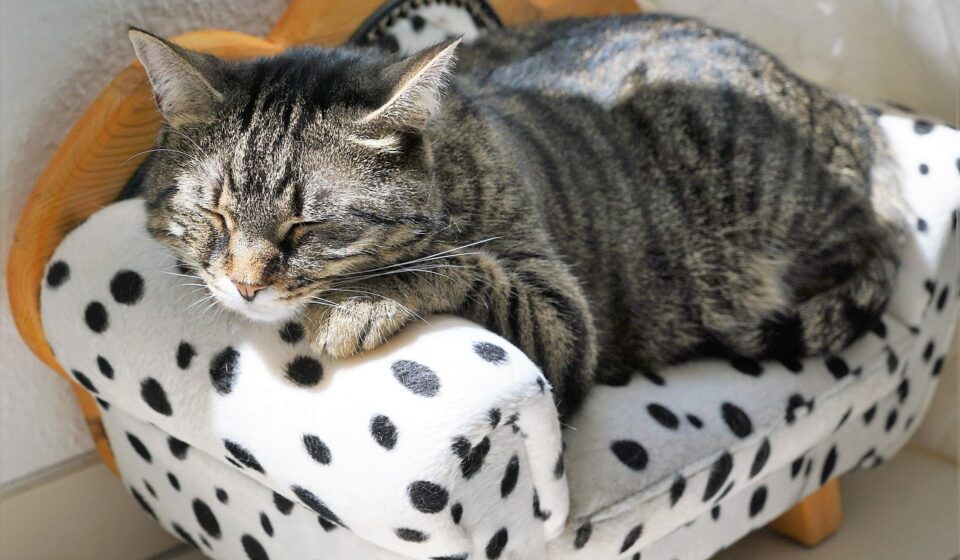

Why Natural Pet Health is Paramount in 2026
Most pet owners strive for longevity and vibrant well-being for their companions. As of June 2026, the emphasis on natural approaches to pet health continues to grow, moving beyond conventional veterinary care to incorporate complete strategies. Keeping pets healthy naturally is about creating an optimal environment and lifestyle that supports their innate vitality, focusing on preventative measures and gentle, effective support systems. This approach aims to minimize reliance on pharmaceuticals where possible and enhance overall quality of life.
Last updated: July 12, 2026
For anyone working through the question of how to keep pets healthy naturally, the answer lies in a multi-faceted approach. It’s not just about avoiding illness; it’s about fostering resilience and promoting peak physical and mental condition through everyday choices. This means understanding your pet’s unique needs and integrating practices that align with nature’s own healing and maintenance principles.
- Prioritize a high-quality, species-appropriate diet as the foundation of natural pet health.
- Incorporate daily exercise and mental stimulation to maintain physical fitness and cognitive function.
- Ensure consistent access to fresh, clean water for optimal hydration and bodily processes.
- Regular grooming and a clean home environment significantly contribute to overall wellness and disease prevention.
- Natural supplements and supportive therapies can bolster immunity and address specific health concerns.
Nourishing Your Pet: The Cornerstone of Natural Health
The adage ‘you are what you eat’ holds profoundly true for our pets. A species-appropriate diet forms the bedrock of natural pet wellness, directly influencing everything from immune function and energy levels to skin and coat health. Focusing on whole, minimally processed foods, tailored to your pet’s specific needs (e.g., canine, feline, avian, reptilian), is paramount.
Many commercially available pet foods contain fillers, artificial preservatives, and by-products that can contribute to inflammation and health issues over time. Opting for high-quality protein sources, healthy fats, and essential vitamins and minerals, whether through carefully selected commercial foods or balanced homemade diets, makes a significant difference. According to the American Veterinary Medical Association (AVMA) (2025), a balanced diet is the first line of defense against common pet ailments like obesity and digestive upset.
When considering homemade diets, it’s essential to consult with a veterinary nutritionist to ensure all nutritional requirements are met. A common mistake is underestimating the complexity of balancing a pet’s diet, which can lead to deficiencies or excesses. Practically speaking, transitioning to a new diet should be done gradually over 7–10 days to prevent digestive upset.
Fueling Vitality: Exercise and Mental Engagement
Beyond diet, consistent physical activity and strong mental stimulation are vital components of how to keep pets healthy naturally. Regular exercise keeps their cardiovascular system strong, manages weight, and strengthens muscles and joints. The type and intensity of exercise should always be appropriate for the pet’s age, breed, and health status. For instance, a young Border Collie will require far more vigorous activity than a senior Basset Hound.
Mental enrichment is equally critical, preventing boredom, anxiety, and destructive behaviors. Puzzle toys, training sessions, scent games, and exposure to new, safe environments challenge their minds and satisfy their natural instincts. A study published in Applied Animal Behavior Science (2024) indicated that pets with enriched environments exhibited fewer stress-related behaviors and showed improved cognitive function later in life.
What this means in practice: a minimum of 30–60 minutes of moderate exercise daily for most dogs, combined with 10–15 minutes of dedicated training or puzzle play, can significantly boost their well-being. For cats, interactive play sessions simulating hunting are ideal. Neglecting mental stimulation can lead to issues like compulsive behaviors or depression, proving that a pet’s mind is as important as its body.
The Crucial Role of Hydration and a Healthy Environment
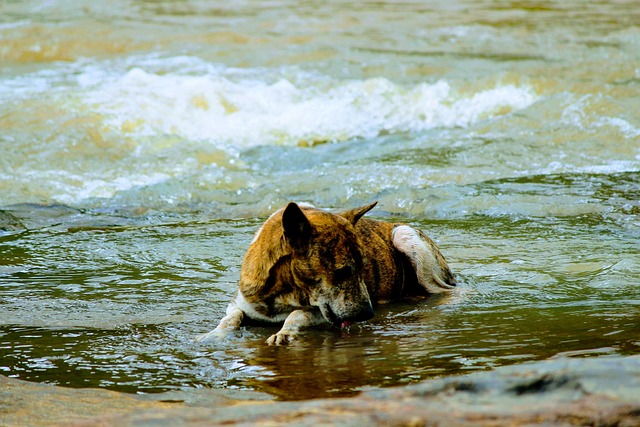
Adequate hydration is fundamental to all bodily functions, from nutrient transport and temperature regulation to waste elimination. Ensuring your pet has constant access to fresh, clean water is non-negotiable in any natural health regimen. Some pets, particularly cats, can be finicky drinkers, making water fountains or adding water to their food beneficial strategies.
From a different angle, the pet’s immediate environment plays a substantial role in their health. A clean, safe, and comfortable living space minimizes exposure to toxins and pathogens. This includes regular cleaning of bedding, food and water bowls, and living areas, as well as using pet-safe cleaning products. According to the ASPCA (2025), many common household cleaners contain chemicals that can be harmful if ingested or inhaled by pets.
Consider the air quality in your home; avoid excessive use of air fresheners, strong perfumes, and smoking indoors, as these can irritate respiratory systems. Creating a sanctuary for your pet means being mindful of what they interact with daily, from the materials of their toys to the surface they walk on.
Grooming and Hygiene: Natural Preventative Care
Regular grooming is more than just about aesthetics; it’s a key practice for how to keep pets healthy naturally and detect potential issues early. Brushing your pet’s coat not only removes loose hair and dirt but also stimulates blood circulation and distributes natural oils, promoting a healthy skin and coat. It’s also an excellent opportunity to check for parasites like fleas and ticks, skin irritations, lumps, or wounds.
Dental hygiene is another critical aspect often overlooked. According to the American Veterinary Dental Society (AVDS) (2024), approximately 80% of dogs and 70% of cats show signs of dental disease by the age of three. Regular tooth brushing with pet-specific toothpaste, alongside dental chews or water additives, can prevent painful infections and systemic health problems linked to poor oral health.
Practically speaking, incorporating a short grooming session daily or several times a week can become a bonding experience. For pets that dislike brushing, start with short sessions and positive reinforcement. Nail trims and ear cleaning are also vital components of a complete grooming routine, preventing discomfort and potential infections.
Bolstering Health Naturally: Supplements and Therapies
While a balanced diet and healthy lifestyle are primary, natural supplements and supportive therapies can offer additional benefits for pet wellness. These can range from probiotics to support gut health, omega-3 fatty acids for skin and coat, and joint support supplements for active or aging pets. For example, fish oil supplements are rich in EPA and DHA, which are known to reduce inflammation.
Herbal remedies and essential oils (used with extreme caution and veterinary guidance, as many are toxic to pets) are also part of the complete approach. However, it’s crucial to source reputable brands and consult with your veterinarian or a certified veterinary herbalist before administering any supplement. The market is flooded with products, and not all are created equal; look for third-party testing and transparent ingredient lists. As of 2026, the market for natural pet supplements is projected to continue its rapid growth, reflecting consumer demand for these options.

A common pitfall is administering human supplements to pets without proper research or professional advice. What might be safe for humans can be toxic to animals. For instance, xylitol, a common sugar substitute in human products, is highly toxic to dogs. Always prioritize pet-specific, veterinarian-approved products.
combination of Natural Care and Veterinary Expertise
Natural health practices are not meant to replace conventional veterinary care but to complement it. Regular veterinary check-ups are essential for early detection of diseases, vaccinations, and parasite prevention. Your veterinarian can also provide guidance on appropriate natural approaches and identify potential interactions between supplements and medications.
A key aspect of preventative pet health is understanding that a veterinarian is your primary resource for diagnosing and treating illnesses. While natural methods can support recovery and well-being, they are not a substitute for professional medical intervention when serious health issues arise. For example, if your pet shows signs of serious illness, seeking immediate veterinary attention is crucial, rather than solely relying on home remedies.
What this means in practice: Schedule annual (or semi-annual for senior pets) wellness exams. Discuss any natural supplements or dietary changes you are considering with your vet. This collaborative approach ensures that your pet receives the most complete and effective care possible, integrating the best of both conventional and natural health strategies.
Common Pitfalls in Natural Pet Care
Despite the benefits, several common mistakes can hinder the effectiveness of natural pet care. Over-reliance on supplements without addressing diet or lifestyle is a frequent issue. Many owners assume a supplement can fix problems stemming from poor nutrition or lack of exercise. Another pitfall is the misuse of essential oils; while some can be beneficial when highly diluted and used appropriately (e.g., lavender for calming), many are toxic and should be avoided entirely around pets.
Failing to consult veterinary professionals before implementing significant changes, such as drastic diet shifts or introducing new supplements, is another critical error. What works for one pet may not work for another, and underlying health conditions can be exacerbated by ill-advised natural interventions. For instance, some herbs can interact with medications or affect kidney and liver function.
Finally, a lack of consistency undermines natural health efforts. Natural wellness is built on daily habits—consistent feeding schedules, regular exercise, and routine grooming. Sporadic application of these practices will yield limited results. Maintaining a consistent routine is key to long-term health and vitality, as highlighted by numerous veterinary behaviorists and nutritionists.
Expert Tips for Long-Term Natural Pet Health
For those committed to how to keep pets healthy naturally, consistency and observation are key. Monitor your pet’s energy levels, appetite, stool consistency, and coat condition. Subtle changes can be early indicators of underlying issues. For example, a dull coat might signal a dietary deficiency or a skin issue, while a sudden decrease in activity could indicate joint pain or illness.
Empower yourself with knowledge. Read reputable sources, consult with your veterinarian, and consider seeking advice from certified veterinary nutritionists or complete practitioners. Understanding your pet’s species-specific needs is crucial; what’s healthy for a dog might not be for a cat, and vice versa. As of June 2026, resources from organizations like the World Small Animal Veterinary Association (WSAVA) provide excellent guidelines for pet nutrition and care.

Finally, remember that patience is a virtue. Natural health is a journey, not a destination. Building a foundation of good nutrition, ample exercise, mental enrichment, and loving care will pave the way for a long, healthy, and happy life for your beloved companion.
Frequently Asked Questions
What is the single most important thing for natural pet health?
The single most important factor is a species-appropriate, high-quality diet. What a pet eats directly impacts their immune system, energy levels, and overall bodily function, forming the foundation of natural wellness.
How often should I groom my pet naturally?
Daily or several times a week is ideal for brushing to maintain coat health and check for issues. Nail trims and ear cleaning should be done as needed, typically every few weeks to monthly, depending on the pet.
Can natural remedies replace vet visits?
No, natural remedies should complement, not replace, professional veterinary care. Regular vet check-ups are crucial for diagnosis, treatment, and preventative care like vaccinations and parasite control.
Are natural supplements safe for all pets?
Natural supplements can be safe and beneficial, but always consult your veterinarian first. Individual pets have different needs, and some supplements can interact with medications or be unsuitable for specific health conditions.
How can I naturally improve my pet’s digestion?
Focus on a high-fiber, easily digestible diet, ensure adequate hydration, and consider probiotic supplements formulated for pets. Gentle exercise also aids digestion. Consult your vet for persistent issues.
What are signs my pet is not healthy naturally?
Signs include lethargy, changes in appetite or thirst, dull coat, digestive upset, skin irritations, and behavioral changes like increased anxiety or aggression. Prompt veterinary consultation is advised.
Information current as of June 2026; pricing and product details may change.
Related read: Common Pet Health Problems and Solutions in 2026 For readers asking “How to keep pets healthy naturally”, the answer comes down to the specific factors covered above.
Editorial Note: This article was researched and written by the Pet Magazine editorial team. We fact-check our content and update it regularly. For questions or corrections, contact us.
About The Author