
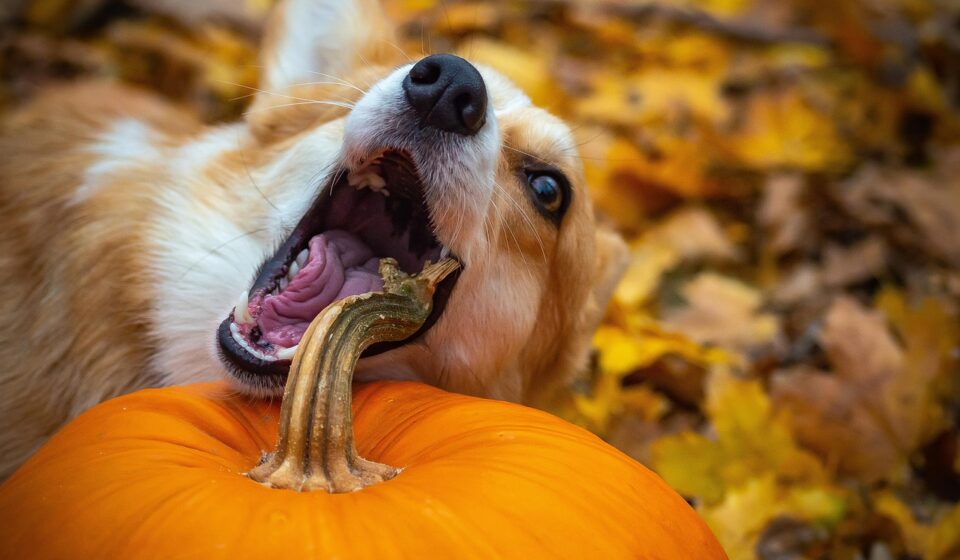

Why DIY Pet Toys Are a Smart Choice in 2026
For dedicated pet parents, the desire to provide endless entertainment and stimulation for their furry companions is constant. Often, this leads to a significant expenditure on store-bought toys that can quickly meet their demise in the jaws of an enthusiastic pet. As of June 2026, the world of pet ownership continues to evolve, with an increasing focus on sustainability, cost-effectiveness, and personalized enrichment. This is where the world of DIY pet toys shines, offering a rewarding way to create engaging, safe, and budget-friendly playthings from common household items.
Last updated: July 12, 2026
Most pet owners spend more than they need to on durable toys. The reality is that many commercial toys, especially those marketed as ‘indestructible,’ can still be a safety hazard if ingested or if they break apart easily. Making your own toys empowers you to control the materials, design, and complexity, ensuring they perfectly suit your pet’s chewing habits, size, and play style. This guide will explore creative, practical, and safe ways to craft a variety of DIY pet toys, ensuring your pet stays happy, healthy, and mentally stimulated without constant trips to the pet store.
- DIY pet toys offer a cost-effective and sustainable alternative to store-bought options, allowing control over materials for enhanced safety.
- Simple household items like old t-shirts, socks, and cardboard tubes can be transformed into engaging toys for dogs and cats.
- Safety is paramount: ensure all DIY toys are made from non-toxic materials and are appropriately sized for your pet to prevent choking hazards.
- Interactive DIY toys, such as treat dispensers and puzzle feeders, are excellent for mental stimulation and reducing boredom in pets.
- Regularly inspect homemade toys for wear and tear, discarding any that become damaged to maintain pet safety.
The complex Benefits of Crafting Pet Toys
Beyond the obvious cost savings, crafting DIY pet toys in 2026 offers a wealth of advantages for both pets and their owners. One significant benefit is the ability to tailor toys precisely to your pet’s needs. A large dog with a powerful chew might require a sturdier, more strong rope toy, while a small cat might prefer a lightweight crinkle ball. This customization ensures optimal engagement and safety, reducing the risk of injury from toys that are too small or too fragile.
From a sustainability perspective, DIY toys are a champion of the circular economy. Instead of discarding old t-shirts, towels, or even cardboard boxes, you can upcycle them into brand-new sources of fun. This not only diverts waste from landfills but also reduces the demand for new manufactured goods. According to a 2026 report by the Environmental Protection Agency (EPA), pet product consumption contributes significantly to household waste, making upcycled toys a more responsible choice.

And, the process of creating a toy can be a bonding experience. Spending focused time on a craft project for your pet can deepen the human-animal connection. It’s also an excellent way to combat pet boredom, a common issue that can lead to destructive behaviors. By providing novel and stimulating DIY toys, you can redirect your pet’s energy constructively.
Prioritizing Safety in Your DIY Creations
When embarking on DIY pet toy projects, safety must be the absolute top priority. Many common household items, while seemingly harmless, can pose serious risks if ingested or if they break into small pieces. Always opt for non-toxic materials. For instance, avoid using small plastic embellishments, buttons, or anything that can be easily chewed off and swallowed, as these can cause choking or internal blockages.
For dog toys, particularly those intended for chewing, materials like old t-shirts, fleece, or sturdy cotton rope are generally good choices. Ensure that any fabric is tightly braided or knotted to prevent fraying into long, swallowable threads. When using plastic bottles, ensure the caps and rings are removed, and the plastic itself is not brittle and prone to breaking. The American Veterinary Medical Association (AVMA) consistently advises pet owners to be vigilant about potential hazards in their pet’s environment, including toys, emphasizing that a toy’s suitability depends heavily on the individual animal’s chewing habits and size.
For cat toys, feathers, bells, and small plastic parts should be securely attached, or better yet, avoided altogether if your cat is prone to ingestion. Cardboard tubes, felt, and soft fabrics are generally safer options. Always supervise your pet during playtime with new DIY toys, especially in the initial stages, to gauge their interaction and ensure they are playing safely and not attempting to eat parts of the toy.
Creative DIY Dog Toys from Common Items
Dogs thrive on varied play, and a few simple DIY projects can provide hours of entertainment. One of the most popular and effective is the T-shirt rope toy. Take an old, clean t-shirt, cut it into strips, and braid them tightly together, knotting securely at both ends. This creates a satisfying tug toy that’s durable and safe for moderate chewers.
Another excellent option is the water bottle tug toy. Take an empty plastic water bottle (remove cap and any rings), and place it inside an old sock. Tie the ends of the sock securely around the bottle, either by knotting it tightly or sewing it shut. The crinkly sound of the bottle inside the sock adds an extra layer of auditory stimulation, making it highly appealing to many dogs. Be aware, however, that if your dog is an aggressive chewer, they might manage to puncture the bottle, so this toy is best used under supervision and with less destructive dogs.
For a more challenging option, consider a DIY treat-dispensing puzzle toy. You can create one by cutting several holes into a sturdy cardboard box or a plastic container, large enough for treats to fall out but requiring some manipulation. Fill it with kibble or small treats, and let your dog figure out how to roll or shake it to get their reward. According to Pet MD, puzzle toys are invaluable for preventing boredom and promoting cognitive function in dogs, with DIY versions offering a cost-effective way to provide this enrichment.
Engaging DIY Cat Toys for Feline Fun
Cats, with their natural hunting instincts, also benefit greatly from engaging DIY toys. Cardboard tubes are a treasure trove for cat toy creation. Simply cut a toilet paper or paper towel roll into several rings and connect them to form a tunnel or a ball shape. Alternatively, cut small slits along the sides of the tube and stuff it with a few catnip leaves or small treats for a simple foraging toy.
Another easy project is the ‘feather want’ alternative. Take a sturdy stick or dowel, and securely attach a piece of fabric fringe, a clean shoelace, or even a few strands of yarn to one end. Ensure all attachments are firmly secured to prevent them from being easily detached and swallowed. Cats love the unpredictable movement of dangling toys, and this provides a safe, engaging way for them to satisfy their prey drive.
For cats who enjoy batting and chasing, a simple crinkle ball made from a piece of foil or paper, tightly crumpled into a ball, is often irresistible. You can also create a ‘catnip kicker’ by sewing or securely tying a fabric pouch filled with dried catnip and a bit of stuffing. Ensure the stitching is strong and there are no loose parts that could be ingested. The Humane Society of the United States highlights that interactive play is crucial for feline well-being, helping to prevent obesity and behavioral issues.
Quick & No-Sew DIY Pet Toy Ideas
For those short on time or crafting skills, numerous no-sew DIY pet toy ideas are perfect for immediate pet entertainment. The classic sock-and-kibble toy is a prime example. Take a clean, old sock (preferably without holes), stuff it with a handful of your pet’s dry kibble or small treats, and tie a tight knot at the open end. This creates an instant foraging toy that encourages your pet to work for their food.
Another no-sew wonder is the braided fleece tug toy. If you have old fleece blankets or clothing, cut them into long strips. Gather several strips together, tie a knot at one end, and then tightly braid them. Secure the other end with another strong knot. This method is quick, requires no sewing, and results in a soft yet durable tug toy. Fleece is also less likely to fray aggressively compared to some other fabrics, making it a safer choice.

For cats, a simple ‘wand’ can be made by tying a few strips of fabric or a long shoelace to the end of a sturdy stick. The key is secure attachment; ensure there are no small parts that can be easily ripped off and ingested. These quick crafts are ideal for busy pet owners who want to provide immediate enrichment without a significant time investment.
Tips for Crafting and Maintaining Your Homemade Toys
When making DIY pet toys, consistency in material quality is key. Always use clean, sturdy materials. For fabric toys, consider doubling up layers or using thicker materials like denim or canvas for pets that are particularly rough on their toys. Avoid any materials that have been treated with harsh chemicals or dyes that could be toxic if ingested.
Regular inspection is crucial for the safety of any pet toy, whether homemade or store-bought. As of June 2026, the consensus among veterinary behaviorists is that inspecting toys daily, or at least every few play sessions, is a good practice. Look for signs of wear and tear: loose threads, small pieces that have been chewed off, excessive fraying, or any damage that could lead to your pet swallowing a chunk of the toy. Discard any toy that shows significant damage immediately.
For fabric toys, washing them periodically can help maintain hygiene. Many DIY fabric toys, like braided t-shirt or fleece toys, can be tossed into the washing machine (on a gentle cycle with pet-safe detergent) and then air-dried. This helps remove dirt, slobber, and any lingering odors, keeping the toys fresh and appealing. For cardboard or plastic bottle toys, they are generally single-use or short-term items; once a pet has managed to break them down significantly, it’s time to replace them.
Common Mistakes to Avoid with DIY Pet Toys
One of the most common mistakes is underestimating a pet’s chewing power. What seems indestructible to us might be no match for a determined dog. Always consider your pet’s breed, size, and chewing intensity when selecting materials and designing toys. A toy made for a small terrier might not be suitable for a large Rottweiler.
Another frequent error is overlooking the potential toxicity of household items. Many craft glues, paints, or even certain types of plastic can contain chemicals harmful to pets. If you’re unsure about the safety of a material, it’s best to err on the side of caution and avoid using it. The ASPCA emphasizes that many common household items can be dangerous if ingested by pets, so a thorough understanding of material safety is vital.
Finally, failing to supervise pets with new DIY toys is a significant oversight. While it’s tempting to let your pet entertain themselves, initial supervision helps you understand how they interact with the toy and identify any potential safety issues before they become problems. For instance, a pet might discover a new way to dismantle a toy that you hadn’t anticipated, creating a choking hazard.
Frequently Asked Questions About DIY Pet Toys
Are DIY pet toys safe for puppies?
Yes, DIY pet toys can be safe for puppies, but extra caution is needed. Puppies explore the world with their mouths and can be prone to chewing and swallowing small parts. Always ensure DIY toys are made from non-toxic materials, are appropriately sized, and have no small, detachable pieces. Supervise your puppy closely during playtime with any new toy.
How often should I inspect DIY pet toys?
It’s recommended to inspect DIY pet toys regularly, ideally before each play session or at least daily. Look for any signs of damage, such as fraying, tears, loose parts, or small pieces that have been chewed off. Damaged toys should be discarded immediately to prevent choking or ingestion hazards.
What are the best materials for durable DIY dog toys?
For durable DIY dog toys, consider materials like thick cotton rope, sturdy fleece, denim, or tightly braided t-shirts. For treat-dispensing toys, strong plastic containers or thick cardboard boxes can work. Always ensure materials are non-toxic and that construction is secure, with strong knots or stitching.
Can I make interactive DIY toys for my cat?
Absolutely. Cats enjoy interactive play. You can create simple wand toys with securely attached fabric strips or feathers, or stuffing cardboard tubes with treats for a foraging challenge. Ensure any dangling parts are securely fastened to prevent ingestion.
Are plastic bottles safe for DIY dog toys?
Plastic bottles can be used, but with significant caveats and supervision. Remove caps and rings, and ensure the bottle is sturdy and not brittle. The crinkling sound can be appealing, but dogs can puncture and ingest plastic. These toys are best for gentle chewers and should always be monitored.
How do I make DIY pet toys last longer?
To make DIY pet toys last longer, use thicker, more durable materials where appropriate, and construct them with strong knots and secure stitching. For fabric toys, periodic washing on a gentle cycle can help keep them fresh. However, the lifespan of any toy depends heavily on your pet’s play style; regular inspection and replacement are key.
Crafting Joy for Your Companion
Creating DIY pet toys offers a fulfilling and practical approach to pet enrichment in 2026. By repurposing common items, you not only save money and reduce waste but also provide your pet with safe, engaging, and personalized play experiences. Remember to always prioritize safety by selecting non-toxic materials and regularly inspecting toys for wear and tear.
The most impactful takeaway is that a simple, well-crafted DIY toy can provide just as much joy and mental stimulation as an expensive store-bought item, strengthening the bond between you and your beloved pet.
Information current as of June 2026; pricing and product details may change.
Editorial Note: This article was researched and written by the Pet Magazine editorial team. We fact-check our content and update it regularly. For questions or corrections, contact us.
Related read: The Cat Crying Meme: More Than Just a Sad Face in 2026.
Related read: Creative Dog Birthday Party Ideas for a 2026 Celebration.
About The Author