
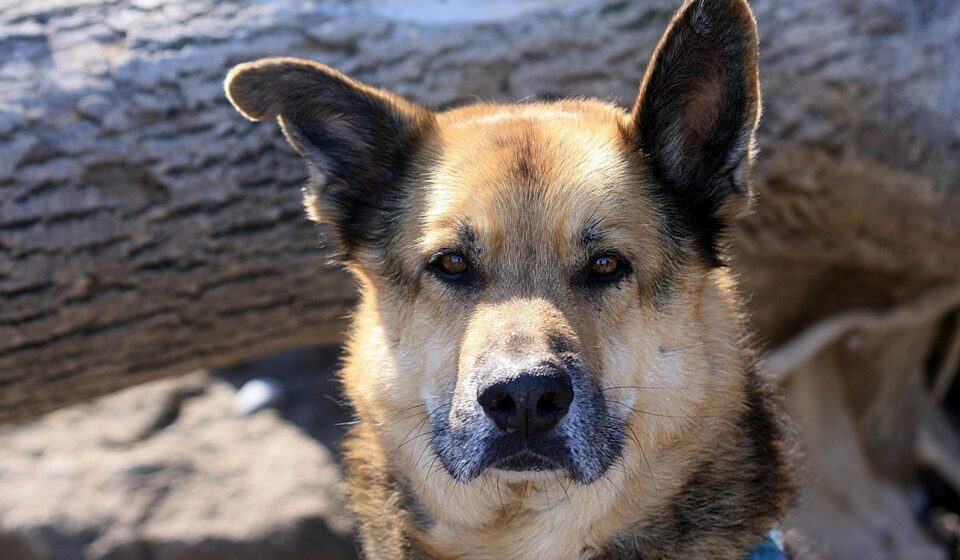

Thinking about adding a German Shepherd mix to your family? As of June 2026, these versatile canine companions continue to capture hearts with their intelligence, loyalty, and adaptable natures. When the noble German Shepherd is crossed with another breed, the result is a unique individual, blending the best traits of both parents. But what exactly can you expect from a German Shepherd mix? This guide dives deep into their characteristics, care needs, and what make them such special additions to homes.
- German Shepherd mixes inherit a blend of traits, often resulting in high intelligence and trainability.
- Their temperament can vary greatly depending on the other parent breed, but loyalty is common.
- Regular exercise, mental stimulation, and consistent training are crucial for a well-adjusted mix.
- Potential health issues are often a mix of those found in both parent breeds.
- Adopting a German Shepherd mix from a rescue organization is a rewarding option.
Why German Shepherd Mixes Are Popular
The appeal of a German Shepherd mix is undeniable. Often, breeders aim to create a dog with enhanced or moderated traits from the purebred German Shepherd. This can mean a dog that’s slightly less prone to certain breed-specific health issues, or one with a temperament better suited to a family environment. The sheer variety in appearance and personality across different mixes makes them exciting to learn about.
From a different angle, the rise in mixed-breed popularity reflects a broader trend towards appreciating unique individuals over strict breed standards. People are drawn to the surprise element and the potential for a dog that’s truly one-of-a-kind. According to the American Kennel Club (AKC) 2025 Pet Ownership Survey, mixed-breed dogs accounted for a significant portion of newly adopted pets.
Common German Shepherd Mix Combinations
Some mixes have become particularly well-known due to their unique characteristics and prevalence. Understanding these common pairings can give you a clearer picture of what traits to anticipate.
German Shepherd Husky Mix (Ger-Husky)
These striking dogs often inherit the striking blue eyes of the Husky and the alert intelligence of the German Shepherd. They are known for being energetic, playful, and sometimes a bit stubborn. Consistent training and plenty of exercise are non-negotiable with this energetic duo.
German Shepherd Poodle Mix (Sheepadoodle)
The Sheepadoodle often combines the intelligence of both parent breeds, making them highly trainable. Many also inherit the Poodle’s low-shedding coat, which can be a significant plus for allergy sufferers. However, their intelligence means they can also be mischievous if not properly engaged.
A common scenario for Sheepadoodle owners is dealing with a dog that can solve most training challenges quickly but might also figure out how to open treat jars or escape enclosures if left unsupervised. Their intelligence requires owners to be just as clever!
German Shepherd Labrador Mix (German Lab)
This mix often results in a friendly, outgoing, and highly adaptable dog. They typically have the German Shepherd’s protective instincts paired with the Labrador’s love for people and retrieving. This makes them excellent family pets.
Information Gain: Unlike some other mixes that might lean heavily into one parent’s intensity, the German Lab often strikes a more balanced chord, making them a popular choice for first-time owners of large breeds. Many find their desire to please makes them easier to train than a purebred German Shepherd.
German Shepherd Golden Retriever Mix (Golden Shepherd)
Golden Shepherds are known for their gentle, devoted, and eager-to-please nature. They often possess the loyalty and protective instincts of the German Shepherd with the Golden Retriever’s friendly disposition and trainability. Their calm demeanor makes them great companions for families with children.
Temperament and Personality Traits
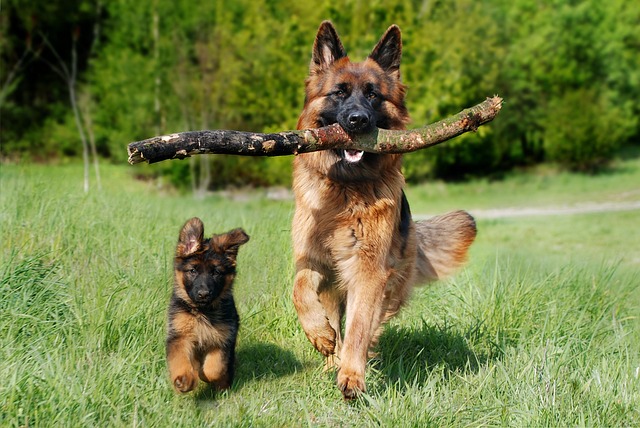
The temperament of a German Shepherd mix is a fascinating blend. You can generally expect high intelligence, a strong desire to please, and a natural protective instinct. However, the degree to which these traits manifest will depend heavily on the other parent breed and individual genetics.
For instance, a mix with a more laid-back breed might be more relaxed than a typical German Shepherd, while a mix with an equally driven breed will likely be very active. Early socialization is key to ensuring any German Shepherd mix grows into a well-adjusted adult dog. According to the American Veterinary Society of Animal Behavior (AVSAB) Position Statement on Puppy Socialization (updated 2024), proper socialization during the critical developmental period (3-16 weeks) is crucial for preventing fear and aggression issues later in life.
Intelligence and Trainability
German Shepherds are consistently ranked among the most intelligent dog breeds. When mixed with other intelligent breeds like Poodles or Border Collies, you get a dog that learns exceptionally fast. This trainability is a major draw for owners who enjoy working with their dogs.
Loyalty and Protectiveness
Loyalty is a hallmark trait inherited from the German Shepherd. Most mixes form strong bonds with their families and can be naturally protective. This can manifest as alerting their owners to strangers or potential dangers. However, it’s important to manage this protectiveness through training and socialization to prevent excessive guarding or suspicion.
Energy Levels and Exercise Needs
German Shepherd mixes are generally active dogs. Their exercise requirements will vary based on the energy level of the other parent breed. A mix with a high-energy breed like a Husky or Border Collie will need significant daily activity – think long walks, runs, hikes, or vigorous play sessions.
What this means in practice: Owners should be prepared for a commitment to daily exercise. A German Shepherd mix is not a dog that will be content with a short stroll around the block. Failing to meet their exercise needs can lead to behavioral problems, weight gain, and a generally unhappy dog.

Health Considerations for German Shepherd Mixes
Like all dogs, German Shepherd mixes can be prone to certain health conditions. Often, they can inherit health issues common to both parent breeds. Responsible breeding practices and regular veterinary care can help mitigate many of these risks.
Common Health Concerns
Some common health issues seen in German Shepherds include hip and elbow dysplasia, bloat (gastric dilatation-volvulus), degenerative myelopathy, and certain allergies. If mixed with breeds like Poodles, potential issues could also include Addison’s disease or epilepsy. If mixed with Labradors, issues like progressive retinal atrophy (PRA) or obesity might be more prevalent.
A German Shepherd Poodle mix could potentially inherit hip dysplasia from the Shepherd side and bloat from either parent, requiring owners to be aware of symptoms for both. According to the Orthopedic Foundation for Animals (OFA) 2025 data, hip dysplasia remains a significant concern across many large breeds, including German Shepherds.
Lifespan and Longevity
The lifespan of a German Shepherd mix typically ranges from 10 to 14 years, though this can vary based on genetics, diet, exercise, and overall health care. Generally, mixed-breed dogs are sometimes believed to have a lower incidence of certain genetic disorders than purebreds due to a wider gene pool, though this is not a guarantee.
Trustworthiness Check: While the ‘hybrid vigor’ theory suggests mixed breeds may be healthier, it’s not universally true. Responsible ownership, including proactive vet care and a healthy lifestyle, is the most significant factor in a dog’s longevity.

Training and Socialization Tips
Training and socialization are paramount for any dog, but especially for intelligent and potentially protective breeds like German Shepherd mixes. A well-trained and socialized dog is a joy to live with and a credit to its owner.
Early Socialization is Key
Introduce your puppy to a wide variety of sights, sounds, people, and other well-behaved dogs from a young age. Positive experiences during this critical period will help them grow into confident, well-adjusted adults. Consider enrolling in a puppy socialization class as soon as your vet gives the okay.
Positive Reinforcement Training
These dogs respond best to positive reinforcement methods, such as praise, treats, and play. Harsh corrections can be counterproductive and may lead to fear or aggression. Keep training sessions short, fun, and consistent.
Make training a daily habit, even for just 10–15 minutes. Incorporate commands into playtime and everyday activities. For example, have your dog sit before receiving their food bowl or wait at the door before going outside.
Mental Stimulation Activities
As mentioned, mental exercise is just as important as physical. Puzzle toys, treat-dispensing balls, learning new tricks, and even interactive games like ‘find the treat’ can keep their intelligent minds engaged and prevent boredom.
A food-dispensing toy like a Kong, filled with kibble and peanut butter, can keep a German Shepherd mix occupied for a significant amount of time, providing both entertainment and a mental challenge.
Choosing a German Shepherd Mix from a Rescue or Breeder
Deciding where to get your German Shepherd mix is an important step. Both rescue organizations and reputable breeders can provide wonderful companions.
Adoption and Rescue
Many German Shepherd mixes find themselves in shelters or breed-specific rescues through no fault of their own. Adopting from a rescue is incredibly rewarding. Shelter staff and foster parents often have a good understanding of the dog’s temperament and needs, helping you find the right match.
Benefit: Costs for adoption are typically much lower than purchasing from a breeder. For example, adoption fees at many shelters as of June 2026 range from $50 to $300, often including initial vaccinations, spaying/neutering, and microchipping, whereas purebred puppies can cost upwards of $1,500 to $3,000 or more.
Responsible Breeding Practices
If you choose to purchase from a breeder, do your research. A responsible breeder will prioritize the health and temperament of their dogs. They should be transparent about health testing, provide a clean environment, and be willing to answer all your questions. They will also likely have a contract and offer health guarantees.
Red Flag: Be wary of breeders who can’t provide proof of health clearances for the parent dogs or who seem more interested in making a sale than ensuring a good fit for the puppy. The National German Shepherd Rescue Alliance (NGSRA) offers resources on identifying responsible breeders and rescue options.
Common Mistakes to Avoid
Potential owners sometimes make common errors when bringing a German Shepherd mix into their lives. Being aware of these can help ensure a smoother transition for both dog and family.
Underestimating Exercise Needs
This is perhaps the most frequent mistake. These dogs need significant daily physical activity. A lack of exercise leads to pent-up energy, which can manifest as destructive behavior, excessive barking, or anxiety. Plan for at least an hour of vigorous activity each day, more for mixes with highly energetic breeds.
Neglecting Mental Stimulation
An intelligent dog that isn’t mentally challenged will find ways to entertain itself, often in ways you won’t appreciate. Boredom is a significant contributor to behavioral issues. Always include training, puzzle toys, or scent games in your daily routine.
Inconsistent Training or Socialization
German Shepherd mixes thrive on structure and clear boundaries. Inconsistent rules or training can confuse them, making them anxious or more prone to developing behavioral problems. Early and ongoing socialization is equally vital for developing a confident, well-behaved dog.
Expert Insights for German Shepherd Mix Owners
When it comes to raising a German Shepherd mix, a few key principles stand out. One of the most insightful pieces of advice is to treat them as individuals first, and a mix second. Their unique personality will be a blend of both parent breeds, influenced by their upbringing.
For owners of mixes with a German Shepherd’s protective instincts, remember that early and ongoing positive exposure to different people and environments is crucial. A dog that’s fearful or overly suspicious of strangers can become a management challenge. According to a 2026 report by the ASPCA on companion animal behavior, early positive introductions to novel stimuli are the most effective preventive measure against later behavioral issues.
Unique Insight: Many German Shepherd mixes, especially those with a high prey drive from breeds like the Husky or Malinois, might require additional training around smaller pets like cats or rabbits. If your household includes other animals, introduce them gradually and under close supervision, ensuring positive interactions from the start.
Frequently Asked Questions
Are German Shepherd mixes good family dogs?
Yes, many German Shepherd mixes are excellent family dogs, known for their loyalty and protective nature. Their suitability depends on the specific mix and proper training and socialization, ensuring they are good with children and other pets.
How much exercise does a German Shepherd mix need daily?
Most German Shepherd mixes require at least 60–90 minutes of vigorous exercise per day. This can include brisk walks, running, playing fetch, or engaging in dog sports, especially if they have a high-energy parent breed.
What is the average lifespan of a German Shepherd mix?
The average lifespan for a German Shepherd mix is typically between 10 to 14 years. This can be influenced by genetics, diet, lifestyle, and the specific breeds that make up the mix.
Do German Shepherd mixes shed a lot?
Shedding varies significantly depending on the coat type inherited from the non-Shepherd parent. Mixes with Poodles or Bichon Frises may shed less, while those with double-coated breeds like Huskies might shed moderately to heavily, especially during seasonal changes.
Are German Shepherd mixes easy to train?
Due to the high intelligence of the German Shepherd parent, most mixes are highly trainable. They often learn quickly, but their intelligence also means they need consistent mental stimulation to prevent boredom and potential behavioral issues.
What health problems are common in German Shepherd mixes?
Common health concerns can include hip and elbow dysplasia, bloat, allergies, and degenerative myelopathy, inherited from the German Shepherd parent. Depending on the other parent breed, issues like epilepsy, heart conditions, or eye problems might also arise.
Conclusion
German Shepherd mixes are remarkable dogs that offer a unique combination of intelligence, loyalty, and athleticism. By understanding their potential temperaments, health needs, and training requirements, you can prepare to welcome one of these wonderful companions into your life. Whether you choose to adopt or find a responsible breeder, the journey with a German Shepherd mix is sure to be rewarding.
Information current as of June 2026; pricing and product details may change.
Editorial Note: This article was researched and written by the Pet Magazine editorial team. We fact-check our content and update it regularly. For questions or corrections, contact us.
Related read: Dog Breeds That Start With M: A 2026 Guide
Related read: Dog Nutritional Requirements: Feeding Your Canine Companion for Lifelong Health.
Related read: German Shepherd Dog Names for Males in 2026: Beyond the Basics.
About The Author