
The Enigmatic Kuhli Loach: A 2026 Aquarium Essential
For anyone looking to add a truly unique and engaging species to their freshwater aquarium, the kuhli loach (Pangio kuhlii) stands out as a compelling choice. These serpentine, bottom-dwelling fish, often mistaken for eels, bring a sense of mystery and activity to the lower strata of the tank. As of June 2026, their popularity continues to grow among aquarists seeking something beyond the typical tetra or cichlid. Understanding their specific needs is crucial for their well-being and for creating a thriving aquatic environment.
Last updated: June 9, 2026
Key Takeaways
- Kuhli loaches are peaceful, reclusive bottom-dwellers best kept in groups.
- They require a minimum of a 20-gallon tank with a soft substrate and ample hiding places.
- A varied diet including sinking pellets, live, and frozen foods is essential for their health.
- Maintaining stable water parameters is key, with soft, slightly acidic water being ideal.
- Kuhli loaches are generally compatible with small, peaceful fish but avoid aggressive species.
Species Overview and Natural History
The kuhli loach, scientifically known as Pangio kuhlii, is native to the slow-moving, densely vegetated blackwater streams and swamps of Southeast Asia, particularly countries like Indonesia, Malaysia, and Thailand. In their natural habitat, they inhabit the substrate layer, burrowing into leaf litter and soft sand, emerging primarily at dawn and dusk to forage for small invertebrates and organic matter. This nocturnal and crepuscular behavior profoundly influences their needs in captivity.
Their unique, elongated body shape, resembling an eel or a snake, is an adaptation for navigating tight spaces and burrowing. Unlike true eels, they possess small, often inconspicuous eyes, and their fins are greatly reduced. The most striking feature is their coloration, typically featuring a yellow to orange base adorned with numerous dark brown to black bands running the length of their body. These bands can vary in thickness and spacing, leading to distinct patterns among individuals.
Practically speaking, their natural inclination to hide means that a well-decorated aquarium is not just aesthetically pleasing but a necessity for their psychological well-being. Providing driftwood, caves, and dense plant cover allows them to retreat and feel secure, reducing stress and encouraging them to explore more openly, especially during the aquarium’s ‘off’ hours.
Physical Characteristics and Identification
Distinguishing individual kuhli loaches is part of the enjoyment for many keepers. Their eel-like bodies can reach lengths of up to 4 inches (10 cm), though specimens in home aquariums often remain slightly smaller. The key identifying feature is their banding pattern, which is unique to each fish, much like a fingerprint. Some individuals might have broader, more spaced-out bands, while others display finer, denser striping.
Their body is laterally compressed, allowing them to squeeze through narrow openings in décor or substrate. They possess barbels around their mouths, which they use to detect food in the substrate. Unlike many fish that swim in the water column, kuhli loaches are primarily benthic, meaning they live and forage on the bottom of the aquarium. They are known for their peaceful demeanor and are generally not problematic tank mates, provided their tank mates are not aggressive or predatory.
From a different angle, understanding their sexual dimorphism can be challenging for beginners. Mature females tend to be plumper and slightly larger than males. Males may also have a more slender body and sometimes a slightly brighter coloration, but these differences are subtle and often only apparent when observing a group over time. Sexing them reliably can be difficult, even for experienced aquarists.
Tank Requirements and Setup
Setting up an appropriate environment is paramount for kuhli loaches. The minimum recommended tank size for a small group (3-5 individuals) is 20 gallons (approximately 75 liters). While they are small, their need for space to forage and explore, coupled with their social nature, means a larger footprint is always better. A longer tank is preferable to a taller one, as they primarily occupy the substrate level.
The substrate is a critical component of their habitat. Kuhli loaches are avid burrowers, and a substrate that’s too coarse or sharp can injure their delicate barbels and bodies. Fine sand is the ideal substrate, allowing them to dig and sift through it naturally. If sand is not feasible, very smooth, rounded small gravel can be used, but it should be free of sharp edges. Avoid gravel that’s too large, as it can trap waste and create dead zones.
Adequate hiding places are non-negotiable. This includes driftwood, caves, smooth rocks, and especially dense live plants. Plants like Java Fern, Anubias, and various stem plants can create the shaded, secure areas these fish crave. Providing a lid for the aquarium is also essential, as kuhli loaches are known jumpers and can escape through even small gaps. They are also known to explore beyond the tank’s confines if given the opportunity, especially if they feel stressed or are seeking a more humid environment.
Filtration should be gentle. Kuhli loaches prefer calm water, so strong currents can be stressful. A sponge filter or a hang-on-back filter with an adjustable flow rate is recommended. If using a power filter, an output diffuser or baffle can help reduce water agitation. The filter intake should also be protected with a mesh or sponge to prevent the slender loaches from being sucked in.
Water Parameters and Maintenance
Kuhli loaches thrive in stable, clean water conditions that mimic their native blackwater environment. They prefer soft to moderately hard water with a pH range of 6.0 to 7.0. The ideal water temperature is between 75°F and 82°F (24°C to 28°C). While they can tolerate a slightly wider range, sudden fluctuations should be avoided at all costs, as they are sensitive to poor water quality and temperature changes.
Regular water changes are crucial for maintaining water quality. A weekly water change of 20-30% is generally recommended. It’s important to use dechlorinated water that’s temperature-matched to the aquarium to prevent shocking the fish. Siphoning the substrate gently during water changes helps remove detritus and uneaten food, preventing ammonia spikes and maintaining the health of the burrowing fish.
Ammonia and nitrite should always be undetectable (0 ppm). Nitrate levels should be kept below 20 ppm, ideally below 10 ppm for sensitive species like kuhli loaches. Regular testing of water parameters using a reliable freshwater aquarium test kit is a fundamental aspect of responsible fishkeeping. According to the Aquatic Ecosystems Research Institute (2025), maintaining stable blackwater conditions, characterized by low mineral content and tannins, can significantly reduce stress in native fish species.
What this means in practice: a slow-drip system for adding new water can help maintain stability during water changes, especially in smaller tanks where parameter swings can be more dramatic. For those aiming to replicate blackwater conditions more closely, a small amount of Indian almond leaves or peat can be added to the filter, which will leach tannins into the water, providing a more natural environment and offering potential health benefits.
Diet and Feeding Requirements
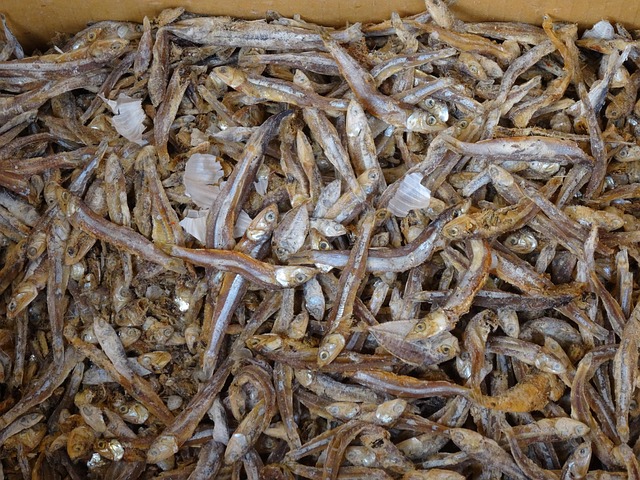
A varied diet is essential for keeping kuhli loaches healthy and active. As natural bottom-feeders and occasional insectivores, they require foods that sink to the bottom. High-quality sinking pellets or wafers formulated for bottom-dwelling fish are an excellent staple. These should contain a good amount of protein and be supplemented with other food types.
Live foods are highly beneficial and can encourage natural foraging behaviors. Bloodworms, brine shrimp, daphnia, and small earthworms are excellent choices. These should be offered sparingly, perhaps once or twice a week, to avoid overfeeding and to provide variety. Frozen versions of these foods are also readily accepted and are a convenient alternative to live foods. Ensure any frozen food is thawed before feeding.
Vegetable matter should also be part of their diet. Blanched zucchini or cucumber slices, spirulina-based wafers, or even finely chopped spinach can provide necessary nutrients. Some keepers also report success feeding finely mashed peas, though this should be done cautiously to avoid clouding the water. Remember that kuhli loaches have small mouths, so foods should be appropriately sized.
Feeding should ideally occur in the evening or late afternoon, as this aligns with their natural foraging times. It’s important to observe them during feeding to ensure they are getting enough food, especially if kept in a community tank with faster-swimming fish. If you notice food accumulating uneaten, you may be overfeeding or the tank mates are outcompeting them. Remove any uneaten food after about 20-30 minutes to prevent water quality issues.
Behavior and Social Requirements
Kuhli loaches are renowned for their shy and reclusive nature. They are most active during low-light periods, such as dawn, dusk, and throughout the night. During the day, they can often be found hiding amongst plants, driftwood, or burrowed into the substrate. This behavior is perfectly normal and indicates they feel secure in their environment. If they are constantly visible and out in the open, it might suggest stress or an insufficient number of hiding places.
Their social structure is important. Kuhli loaches are significantly happier and more active when kept in groups of at least three, preferably five or more. In groups, they tend to feel more secure, and their natural social behaviors become more apparent, such as resting together in their hiding spots. A lone kuhli loach can become overly stressed and withdrawn.
They are peaceful community fish and rarely cause problems with other tank inhabitants. However, they can be outcompeted for food by faster or more aggressive tank mates. It’s also important to avoid housing them with fish that might nip at their fins or try to eat them, such as larger cichlids or aggressive barbs. The Shrimp Farm (2023) notes that their peaceful nature extends to other invertebrates, making them generally safe for shrimp tanks.
Why are kuhli loaches so shy? This innate shyness stems directly from their evolutionary adaptations to a predator-rich, dimly lit environment. In aquariums, replicating these conditions—dim lighting, plenty of cover, and a soft substrate—encourages them to overcome some of their natural reticence and become more visible during typical waking hours.
Compatible Tank Mates
Choosing the right tank mates is crucial for the well-being of kuhli loaches. Their peaceful nature means they can coexist with a wide variety of small, non-aggressive fish. Excellent companions include small tetras (like Neon Tetras, Cardinal Tetras, Ember Tetras), Rasboras (Harlequin Rasboras, Chili Rasboras), Dwarf Gouramis, Corydoras catfish (of similar size and temperament), and peaceful livebearers like Endler’s or Guppies.
Small invertebrates like Amano shrimp and Neocaridina shrimp (Cherry shrimp, Blue Dream shrimp) are also generally compatible. Kuhli loaches are too small and too timid to pose a threat to healthy adult shrimp. However, very small shrimp fry might be vulnerable, though the loaches are unlikely to actively hunt them.
Fish to avoid include large, aggressive, or fin-nipping species such as Tiger Barbs (though some keepers have success with larger groups of Tiger Barbs in very large tanks where the kuhlis have ample escape routes), Oscars, Jack Dempseys, or any fish known for territorial aggression. Pufferfish, even small ones, are also a significant risk. It’s always wise to research the temperament of any potential tank mate thoroughly before introducing them to a tank with kuhli loaches.
A 2026 trend in community tank setups involves creating biotope-inspired aquascapes. For kuhli loaches, this means focusing on soft substrates like sand, adding leaf litter (from safe, aquarium-sourced sources), and incorporating plants like Java Fern and Anubias, which are commonly found in their native blackwater habitats. This approach not only suits the loaches but creates a visually stunning display.
Breeding Kuhli Loaches
Breeding kuhli loaches in a home aquarium is possible but can be challenging and often requires specific conditions to trigger spawning. They are not a species that readily breeds in typical community tanks. Spawning is often induced by simulating the rainy season in their native habitat, which typically involves a significant drop in water temperature and a slight increase in water flow, followed by an increase in feeding of protein-rich foods.
When conditions are right, the female will release eggs, which are often fertilized by the male as they drift. The eggs are small and adhesive, and may be laid on plants or decor. The parent fish don’t typically guard the eggs and may even eat them, so if successful breeding is a goal, it’s often best to remove the adults after spawning or to have a very well-planted tank where fry can hide.
The fry are tiny and require specialized food, such as infusoria or microworms, to survive. Raising them to adulthood is a significant undertaking, and many hobbyists find it easier to purchase juvenile kuhli loaches from reputable fish stores or breeders. As of June 2026, many online retailers like AquariumFish.com offer a variety of kuhli loach strains, making acquisition straightforward for those who prefer not to breed them.
The key to successful breeding often lies in replicating the environmental cues of their natural breeding grounds. This involves distinct wet and dry seasons. Simulating the transition from dry to wet season by increasing feeding and then introducing cooler water can be a trigger. However, it requires careful monitoring of water parameters and temperatures.
For most aquarists, enjoying the natural behavior and unique appearance of adult kuhli loaches is more practical than attempting to breed them. Their longevity—often living 10 years or more with proper care, according to AquariumCoop.com (2026)—means that a well-cared-for group can be a long-term fixture in the aquarium hobby.
Common Mistakes and How to Avoid Them
One of the most common mistakes is keeping kuhli loaches in tanks with inadequate substrate. Sharp gravel can injure their sensitive bodies and barbels, leading to infections and stress. Always opt for fine sand or very smooth, small gravel. If you currently have gravel, consider adding a layer of sand on top, ensuring there are no sharp edges exposed.
Another frequent error is housing them with aggressive or fin-nipping tank mates. This will cause the kuhli loaches to become extremely stressed, hiding constantly and potentially refusing to eat. Always research the temperament of potential tank mates and err on the side of caution by choosing peaceful species. A lone kuhli loach is also a mistake; they are social creatures and need the company of their own kind to thrive.
Inadequate hiding places is a third common pitfall. If your kuhli loaches are always hidden, it could be a sign they don’t feel safe. Add more plants, driftwood, or create small caves using smooth rocks or aquarium-safe ornaments. Ensure there are enough individuals in the group—a minimum of three, but five or more is ideal.
Overfeeding is another issue, particularly with live or frozen foods. While variety is good, it must be balanced. Uneaten food contaminates the water, which can be detrimental to these sensitive fish. Feed only what they can consume in about 20-30 minutes, preferably during their active hours in the evening. Regular water changes and substrate vacuuming are critical to counteract any minor overfeeding incidents.
Expert Tips for Thriving Kuhli Loaches
Dim lighting is key to encouraging kuhli loaches to be more active. If your main aquarium lighting is very bright, consider using a dimmer or supplementing with a secondary, lower-intensity light source. Many keepers find that turning off the main lights and leaving on a low-wattage ‘moonlight’ or colored LED can encourage evening activity.
Quarantine new arrivals. Just like any new fish, kuhli loaches should be quarantined for at least 4-6 weeks before being introduced to your main display tank. This helps prevent the introduction of diseases or parasites that could affect your existing inhabitants. Monitor them closely for any signs of illness, such as lethargy, loss of appetite, or visible spots or lesions.
For aquascaping enthusiasts, kuhli loaches are ideal for planted tanks. Their burrowing behavior can help aerate the substrate in planted setups, potentially benefiting plant roots. However, be mindful that they can sometimes uproot delicate, small plants if they burrow too vigorously in one spot. Larger, well-rooted plants or plants attached to hardscape are safer choices.
When observing their unique swimming style, you’ll notice they move with a serpentine motion. This is typical and not a cause for alarm. They are excellent swimmers, despite their small fins. If you see one gasping at the surface, however, it could indicate low oxygen levels or poor water quality, and immediate action is needed.
Frequently Asked Questions
Can Kuhli Loaches live alone?
Kuhli loaches are social fish and should ideally be kept in groups of at least three, preferably five or more. A lone kuhli loach can become stressed, withdrawn, and may not exhibit natural behaviors.
What is the best substrate for Kuhli Loaches?
Fine sand is the preferred substrate as it allows them to burrow safely without injuring their delicate barbels. Smooth, small gravel can be an alternative, but avoid anything sharp or too coarse.
Are Kuhli Loaches nocturnal?
They are primarily crepuscular and nocturnal, meaning they are most active during dawn, dusk, and at night. During the day, they tend to hide or burrow.
What size tank do Kuhli Loaches need?
A minimum tank size of 20 gallons (approximately 75 liters) is recommended for a small group. Larger tanks are always beneficial, especially for groups of five or more.
Can Kuhli Loaches live with shrimp?
Yes, kuhli loaches are generally peaceful and compatible with most adult shrimp species, such as Amano or Neocaridina shrimp, in a well-maintained aquarium.
How long do Kuhli Loaches live?
With proper care, kuhli loaches can have a long lifespan, often living for 10 years or more in captivity. Factors like water quality, diet, and tank environment contribute significantly.
Conclusion
The kuhli loach is a captivating and rewarding species for the patient aquarist. By providing a suitable environment—soft substrate, ample hiding places, clean water, and a varied diet—you can ensure these unique fish thrive and display their natural behaviors. Keeping them in social groups and with compatible tank mates will further enhance their well-being and contribute to a lively, fascinating aquarium ecosystem. As of June 2026, the understanding of their care needs has solidified, making them an accessible yet always intriguing choice for hobbyists looking to deepen their aquatic experience.
Information current as of June 2026; pricing and product details may change.
Editorial Note: This article was researched and written by the Pet Magazine editorial team. We fact-check our content and update it regularly. For questions or corrections, contact us.
Related read: Axolotl Pet Care for Beginners: A 2026 Guide.




About The Author