

Key Takeaways
- Bearded dragons are popular, docile omnivores making them excellent beginner reptiles, but require specific care.
- As of June 2026, prices for bearded dragons vary widely based on age, morph, and breeder, typically ranging from $50 to $400+.
- A suitable habitat is crucial, requiring a terrarium of at least 40 gallons for juveniles and 75–120 gallons for adults, complete with heating, lighting, and substrate.
- Proper diet consists of insects for protein and vegetables/greens for nutrients, with specific feeding schedules changing as the dragon grows.
- Reputable breeders and specialized pet stores are the best sources for a healthy bearded dragon for sale, often providing health guarantees.
Why Bearded Dragons Are Popular Pets
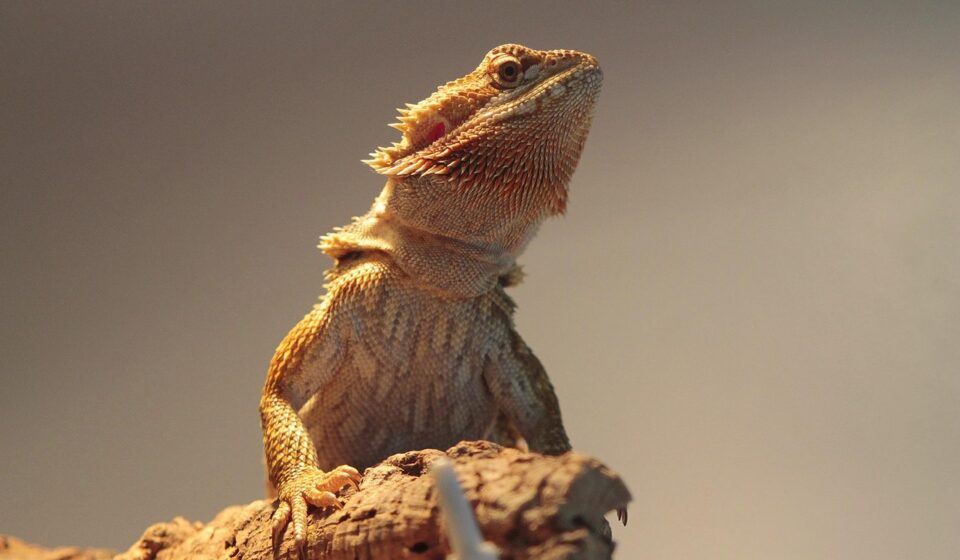
For anyone working through the question of acquiring a new pet, the vibrant and engaging personality of a bearded dragon often stands out. These captivating reptiles, scientifically known as Pogona vitticeps, have surged in popularity over the past decade, especially as captive breeding has made them more accessible. Their appeal isn’t just their unique appearance; it’s their remarkably docile nature and their ability to become quite accustomed to human interaction, often described as ‘dog tame’. This makes them an attractive option for both novice and experienced reptile enthusiasts alike.
Last updated: June 9, 2026
What this means in practice is that finding a bearded dragon for sale is generally straightforward, with numerous breeders and pet stores offering them. However, popularity can also lead to impulse purchases without adequate preparation. Understanding their specific needs is paramount to ensuring a long, healthy, and happy life for your new scaly companion.
Finding a Healthy Bearded Dragon for Sale
When you’re ready to buy a bearded dragon, the source of your new pet is critical. Not all animals are created equal, and a healthy start significantly impacts their future well-being. As of June 2026, the best places to look are specialized reptile breeders or reputable pet stores that focus on exotic animals. These sources are more likely to provide you with a captive-bred animal that has received proper care from birth.
Avoid purchasing from general pet stores that may not have the specialized knowledge or resources to care for reptiles adequately. Likewise, be wary of online listings or individuals selling from unknown backgrounds, as these animals may have underlying health issues or may not have been bred responsibly. Doing thorough research on the seller is as important as researching the dragon itself.
What to Look For in a Healthy Dragon
A healthy bearded dragon for sale will exhibit several key characteristics. Their eyes should be clear and alert, without any discharge or swelling. Their skin should be free of mites, parasites, or unusual lesions, and their scales should appear smooth and vibrant, not dull or flaky. A good indicator of a healthy digestive system is firm, well-formed droppings.
Observe the dragon’s activity level. A healthy specimen will be curious and responsive to its surroundings, moving with purpose. Lethargy, sunken eyes, or a refusal to eat when presented with food could indicate illness. According to the Reptile Health Association (2025), observing a potential pet for at least 15–20 minutes before purchase can reveal crucial behavioral cues about its health.
Understanding Bearded Dragon Morphs and Genetics
The world of bearded dragons has exploded with a variety of genetic variations known as morphs. These morphs affect the dragon’s color, pattern, and sometimes even their scale structure. Understanding these variations is key when looking at bearded dragons for sale, as they can influence price and aesthetic appeal.
Common morphs include ‘Hypotranslucent’ (hypo for short), which results in reduced black pigment and often a lighter, brighter base color, and ‘Translucent’, which has a somewhat see-through quality to the skin and belly. ‘Leatherback’ morphs have reduced or absent spiny scales, giving them a smoother appearance. More complex and colorful morphs, such as ‘Citrus’, ‘Red’, ‘Orange’, and ‘Yellow’, are the result of selective breeding over many generations.
The ‘Witblits’ morph is known for its pale coloration and often reduced eye pigment, while ‘Dunner’ morphs exhibit a unique pattern of spiny scales. Prices can vary significantly; a standard bearded dragon might cost around $50-$100, while rare or highly desirable morphs like a top-tier ‘Hypo Translucent Citrus’ could fetch $200 to $400 or more, according to industry listings as of June 2026. It’s essential to buy from breeders who clearly label their dragons’ genetics, ensuring you know exactly what you’re acquiring.
Bearded Dragon Pricing and Budgeting in 2026
When considering a bearded dragon for sale, prospective owners must factor in the initial purchase price alongside the ongoing costs of care. As of June 2026, the price of a bearded dragon itself can range substantially. Basic, common morphs purchased from a reputable breeder or specialty pet store typically fall between $50 and $150.
More unique or desirable morphs, such as those with vibrant colors, specific patterns, or reduced spiny scales (like ‘Hypo’, ‘Translucent’, or ‘Leatherback’ variants), can command higher prices, often ranging from $150 to $350. Extremely rare or selectively bred dragons, especially those with proven lineage for show quality or specific genetic traits, can exceed $400. For instance, a dragon advertised as having exceptional ‘High Color’ genetics might be priced at $250-$350, while a standard juvenile might be $75-$100.
However, the dragon’s price is only one part of the equation. The setup costs for an appropriate habitat can easily exceed the price of the animal itself. A properly equipped 40-gallon breeder tank, including heating lamps, UVB lighting, thermostat, substrate, decor, and food/water dishes, can cost between $200 and $500. Ongoing expenses like food (insects and greens), substrate replacement, and potentially veterinary care should also be factored into your budget. A realistic budget for the first year of ownership, including the dragon, setup, and food, can range from $500 to $1000+.
Essential Bearded Dragon Habitat Setup
Creating the correct environment is non-negotiable for a bearded dragon’s health and longevity. The primary components include the enclosure, heating, and lighting. For a juvenile dragon, a minimum terrarium size of 40 gallons is recommended, but adults require significantly more space – a 75-gallon tank is a common minimum, with 120 gallons being ideal for providing ample room to move and explore.
The enclosure must feature a basking spot with a temperature gradient. During the day, the basking area should reach between 95-110°F (35-43°C) for adults, and slightly warmer, 100-115°F (38-46°C), for juveniles. Ambient temperatures in the cooler end of the tank should be around 75-85°F (24-29°C). This temperature gradient allows the dragon to thermoregulate effectively. According to reptile husbandry guidelines from the Association of Reptile and Amphibian Veterinarians (2025), maintaining these specific temperature ranges is critical for digestion and immune function.
Crucially, bearded dragons require a reliable source of UVB light. This is not just for ambient illumination; UVB rays are essential for synthesizing Vitamin D3, which in turn allows them to absorb calcium. Without adequate UVB, they are highly susceptible to Metabolic Bone Disease (MBD), a severe and potentially fatal condition. A high-quality UVB bulb, such as a T5 HO linear fluorescent tube, should cover about two-thirds of the tank’s length and be replaced every 6–12 months, as UVB output degrades over time even if the light still appears to function.

Substrate Choices for Your Dragon’s Enclosure
The material used for the bottom of the enclosure, or substrate, is another important consideration. For young dragons, it’s generally recommended to use a solid, easy-to-clean substrate like paper towels, reptile carpet, or a textured tile. This minimizes the risk of impaction, where a dragon accidentally ingests substrate and suffers a blockage in its digestive tract.
As dragons mature and their risk of impaction decreases, many owners opt for more naturalistic substrates. These can include a mix of organic topsoil and play sand (about 50/50), or specialized reptile substrate blends. However, even with older dragons, it’s crucial to monitor their eating habits and ensure they aren’t ingesting large amounts of substrate. Some breeders advise against loose substrates entirely, citing the persistent risk of impaction, especially if feeding live insects on the substrate rather than in a dish.
Dietary Needs of Bearded Dragons
Bearded dragons are omnivores, meaning their diet should comprise both animal protein and plant matter. The specific balance shifts as they age. Baby and juvenile dragons (under 1 year) require a diet that’s approximately 80% insects and 20% greens/vegetables. This high protein intake fuels their rapid growth.
As they mature into sub-adults and adults (over 1 year), the ratio flips: roughly 80% greens and vegetables, and 20% insects. It’s crucial to offer a variety of gut-loaded insects and fresh produce daily. Gut-loading involves feeding the insects nutritious food for 24–48 hours before offering them to the dragon, making the insects themselves more nutritious.
Appropriate Insects and Greens
Staple insects for a bearded dragon’s diet include crickets, Dubai roaches, and black soldier fly larvae (BSFL). These should be appropriately sized – no wider than the space between the dragon’s eyes – to prevent choking or impaction. Feeder insects should be dusted with calcium powder a few times a week for juveniles and less frequently for adults. A multivitamin supplement is also recommended for dusting a couple of times a week.
For the green portion of the diet, offer dark, leafy greens such as collard greens, mustard greens, turnip greens, and dandelion greens. Avoid spinach and kale in large quantities, as they contain oxalates that can bind calcium and hinder absorption. Other vegetables like squash, bell peppers, and carrots can be offered occasionally. According to the Pet Nutrition Alliance (2026), a varied diet mimicking natural foraging behaviors is key to long-term health and preventing dietary deficiencies.
Temperament and Behavior of Bearded Dragons
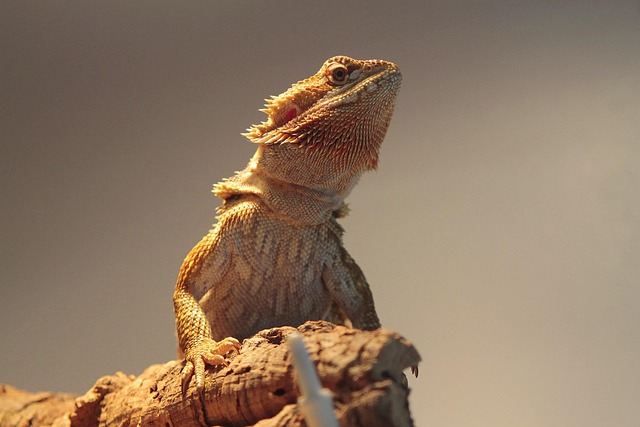
One of the most appealing aspects of bearded dragons is their generally calm and docile temperament. They are known for their curiosity and their ability to tolerate handling well once accustomed to it. Unlike some other reptiles that may become defensive or aggressive, bearded dragons typically display their stress through behaviors like head-bobbing (a dominance display), arm-waving (a submission display), or puffing up their throat and beard (when threatened).
When you buy a bearded dragon for sale, it’s likely to be a bit shy or defensive initially. Gradual, gentle handling from a young age can help build trust. It’s important to approach them from the side or front, rather than from above, which can mimic predator behavior. Supporting their entire body when picking them up is also crucial for making them feel secure.
Understanding these behaviors allows owners to better interpret their pet’s needs and moods. A healthy, well-socialized bearded dragon will often bask, explore its enclosure, eat readily, and show curiosity towards its owner. Their relatively predictable nature makes them a rewarding pet for many households.
Common Mistakes When Buying a Bearded Dragon
Despite their popularity, many owners make common mistakes when acquiring a bearded dragon for sale, which can lead to health problems down the line. One of the most frequent errors is underestimating the size of the adult enclosure needed. Many start with a small tank for a baby dragon, only to realize they must upgrade significantly as the animal grows, leading to additional expense and stress for the dragon.
Another significant mistake is providing inadequate UVB lighting or incorrect temperature gradients. This directly contributes to Metabolic Bone Disease and poor digestion. Some owners also opt for inappropriate substrates, like calcium sand, which poses a serious impaction risk. The Reptile Channel (2025) estimates that over 40% of juvenile bearded dragons brought to vets show signs of MBD, largely due to improper lighting or diet.
Finally, feeding an unbalanced diet is a widespread issue. Relying too heavily on one type of insect or failing to provide essential greens, or not gut-loading feeder insects properly, can lead to nutritional deficiencies. It’s vital to research the specific dietary requirements for different age groups before bringing your dragon home.
Bearded Dragon Care Tips and Best Practices
To ensure your bearded dragon thrives, several best practices should be followed. Always provide a temperature gradient, allowing your dragon to move between warmer and cooler areas to regulate its body temperature. Monitor temperatures daily with reliable thermometers, not stick-on gauges which are often inaccurate.
Regularly gut-load feeder insects and dust them with appropriate calcium and vitamin supplements as recommended for your dragon’s age. Offer a variety of fresh greens daily, even to juveniles, to encourage them to accept plant matter early on. For handling, start with short, gentle sessions and gradually increase duration as your dragon becomes more comfortable.
Cleanliness is paramount. Spot-clean the enclosure daily and perform a more thorough cleaning, including substrate changes, monthly. Use reptile-safe disinfectants. According to the World Organization for Animal Health (WOAH) (2025), regular hygiene practices in reptile enclosures significantly reduce the risk of zoonotic disease transmission and internal parasites.
Frequently Asked Questions About Bearded Dragons
How much does a bearded dragon for sale typically cost?
As of June 2026, prices for a bearded dragon for sale vary. Common morphs usually range from $50 to $150, while rarer genetic variations can cost $150 to $400 or more. The cost also depends on the breeder’s reputation and the dragon’s age and health.
What is the minimum tank size for an adult bearded dragon?
For an adult bearded dragon, a minimum tank size of 75 gallons is recommended, with 120 gallons being ideal. Bearded dragon for sale provides ample space for basking, thermoregulation, and natural behaviors. Juveniles can start in a 40-gallon tank but will quickly need an upgrade.
What is the most important environmental factor for a bearded dragon?
The most critical environmental factor is providing a proper temperature gradient with a basking spot between 95-110°F (35-43°C) and adequate UVB lighting. This combination is essential for digestion, calcium absorption, and overall health, preventing conditions like Metabolic Bone Disease.
Can bearded dragons be housed together?
it’s generally not recommended to house bearded dragons together, especially juveniles. While they may seem tolerant initially, they are solitary animals and can exhibit aggressive behaviors towards each other, leading to injury or stress for one or both individuals.
How often should I feed my bearded dragon?
Feeding frequency depends on age. Juveniles (under 1 year) should be fed insects 1–3 times daily, with as many as they can eat in 10–15 minutes. Adults typically eat insects only a few times a week, with their diet primarily consisting of greens offered daily.
What are the signs of a sick bearded dragon?
Signs of illness include lethargy, loss of appetite, sunken eyes, discharge from eyes or nose, unusual droppings (diarrhea or constipation), difficulty breathing, and visible swelling or lesions on the skin or limbs. Any of these symptoms warrant a visit to a reptile-savvy veterinarian.
Conclusion and Next Steps for Bearded Dragon Owners
Bringing a bearded dragon into your home is a rewarding experience, but it requires commitment and a thorough understanding of their needs. By carefully selecting a healthy animal from a reputable source, preparing a meticulously set-up habitat, and providing a balanced diet, you lay the foundation for a vibrant life for your new pet. Remember that ongoing research and attention to detail are key to successful bearded dragon ownership.
Your next step should be to finalize your budget for the initial setup and ongoing care, and then begin researching reputable breeders or specialized reptile stores in your area or those offering reliable shipping as of June 2026. Ensure you have all necessary equipment set up and tested before your dragon arrives to minimize stress and ensure a smooth transition.
Information current as of June 2026; pricing and product details may change.
Editorial Note: This article was researched and written by the Pet Magazine editorial team. We fact-check our content and update it regularly. For questions or corrections, contact us. Knowing how to address bearded dragon for sale early makes the rest of your plan easier to keep on track.
Related read: Green Parrot Green: Your Comprehensive Guide for 2026
Related read: Pink Toe Tarantula Care in 2026.
About The Author