


Understanding the Pink Toe Tarantula
The pink toe tarantula, scientifically known as Avicularia avicularia, stands out as a remarkably approachable and visually appealing arachnid for both novice and experienced exotic pet enthusiasts. As of June 2026, its popularity continues to soar, making it a staple in the pet trade. This arboreal species, native to Central and South America and the Caribbean, is renowned for its relatively docile temperament, manageable care requirements, and the distinctive pinkish hues on its toes and abdomen, which give it its common name.
Last updated: June 9, 2026
For anyone considering adding this fascinating creature to their home, understanding its specific needs is paramount. Unlike many terrestrial spiders, pink toes prefer to live in trees and shrubs, which dictates their enclosure and environmental preferences. This guide delves into the essential aspects of pink toe tarantula care, from habitat setup and feeding to understanding their life cycle and common health concerns, ensuring your pet thrives.
Key Takeaways
- Pink toe tarantulas are arboreal, needing tall enclosures with ample climbing space and ventilation.
- They require moderate humidity (60-80%) and temperatures around 70-80°F (21–27°C).
- Feeding involves live insects like crickets and roaches, typically 1–2 times per week for adults.
- With proper care, pink toe tarantulas can live 5–15 years, with females generally outliving males.
- They possess a mild venom and defensive urticating hairs, but are generally docile and rarely bite.
Pink Toe Tarantula: A Species Profile
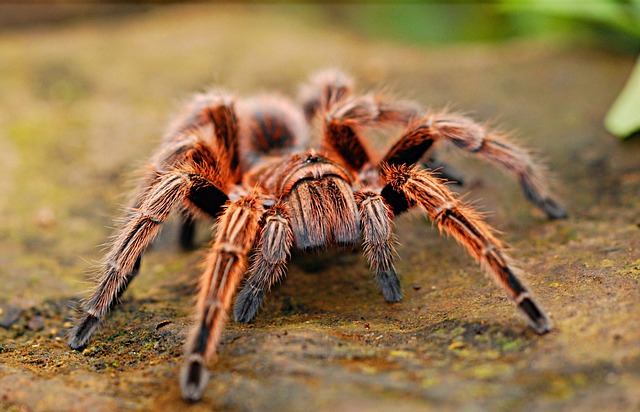
The Avicularia avicularia is a medium-sized tarantula, with adults typically reaching a leg span of 4 to 6 inches (10-15 cm). Their coloration is a striking metallic gray or brown, contrasted by the vibrant pink or reddish-pink tips of their feet and the occasional pinkish hairs on their abdomen. Juveniles are often darker and develop their characteristic pink toes as they mature. Unlike many other tarantula species, they are less likely to flick urticating hairs when disturbed, preferring to flee or, in rarer cases, deliver a bite.
Their natural habitat consists of tropical rainforests where they construct silken tubes in tree hollows, under bark, or among epiphytic plants. This arboreal lifestyle is a critical factor in replicating their needs in captivity. Understanding their natural behavior—such as their nocturnal activity and tendency to retreat when threatened—helps keepers provide an environment that minimizes stress and promotes well-being.
While often touted as beginner-friendly, it’s essential to approach any tarantula with respect for its nature. Their calm demeanor is a significant advantage, but they are still exotic pets with specific needs that must be met consistently. Their relatively long lifespan also means they are a long-term commitment for any keeper.

Creating the Ideal Pink Toe Tarantula Habitat
Setting up an appropriate enclosure is perhaps the most crucial aspect of pink toe tarantula care. Because they are arboreal, their habitat should prioritize vertical space over horizontal floor space. A terrarium or plastic enclosure measuring at least 8x8x12 inches (20x20x30 cm) is suitable for an adult, with larger dimensions being preferable for more mature specimens. The enclosure must have excellent ventilation to prevent stagnant air and the buildup of mold, which can be detrimental to the tarantula’s health. Cross-ventilation, with openings on opposite sides of the enclosure, is ideal.
The substrate layer should be deep enough to absorb moisture and allow the tarantula to burrow slightly if it chooses, though they primarily build webs. A mix of coco fiber, peat moss, and vermiculite, kept slightly moist, works well. Aim for a substrate depth of 3–4 inches (7-10 cm) for adults. This also helps maintain ambient humidity.
Decor is vital for an arboreal species. Provide plenty of vertical structures for climbing and web-building. Cork bark, branches, artificial plants, and sturdy twigs are excellent choices. A piece of cork bark leaned against the side or a hollow cork tube can serve as a hide, mimicking their natural burrowing behavior. Ensure all decorations are securely placed to prevent them from falling and potentially injuring the tarantula.
Temperature and Humidity
Pink toe tarantulas thrive in warm, humid environments. The ideal temperature range for their enclosure is between 70-80°F (21–27°C). This can usually be maintained with ambient room temperature in most homes. If your room is consistently cooler, a small, low-wattage heat mat placed on the side of the enclosure (never underneath, as tarantulas may burrow to escape heat) can be used, but caution is advised to avoid overheating. A reliable thermometer is essential for monitoring these conditions.
Humidity is another critical factor, with a target range of 60-80%. Achieving this can be done by lightly misting one side of the enclosure with a spray bottle every few days, ensuring the substrate remains slightly damp but not waterlogged. Over-misting can lead to mold and respiratory issues. Good ventilation is key to balancing humidity levels and preventing damp conditions. Observing the substrate and the tarantula’s behavior can help gauge humidity: if the substrate dries out quickly, increase misting; if it stays soggy, improve ventilation or mist less frequently. A hygrometer can provide a more precise reading, though visual observation is often sufficient.
Lighting and Substrate Considerations
Tarantulas don’t require special lighting beyond ambient room light. In fact, direct sunlight can overheat their enclosures rapidly and should be avoided. Room lighting is sufficient for their day-night cycle. Regarding substrate, a blend of coco fiber, peat moss, and a small amount of vermiculite or perlite offers good moisture retention and aeration. The depth is important for burrowing and humidity, as mentioned, but it also provides cushioning should the spider fall. Avoid sand or gravel, which can compact and cause respiratory issues, or overly dusty substrates.
Feeding and Watering Protocols
Pink toe tarantulas are insectivores, and their diet in captivity should consist of appropriately sized live prey. For adult tarantulas, gut-loaded insects such as crickets, roaches (like Dubai or Turkestan roaches), or mealworms are excellent choices. The prey item should generally be no larger than the tarantula’s leg span to avoid any risk of injury during feeding. Adults typically need to be fed 1-2 times per week. Younger tarantulas, or slings (spider lings), require smaller prey, such as flightless fruit flies or pinhead crickets, and may need feeding more frequently, up to three times a week.
It’s important to remove any uneaten prey items within 24 hours. Live insects left in the enclosure can stress or even injure a molting tarantula. Observation is key; if your tarantula consistently ignores prey, it may be preparing to molt, too close to a molt, or simply not hungry. Don’t overfeed, as this can lead to obesity and health problems.
Water is provided via a small, shallow water dish. This dish should be kept clean and refilled regularly. For slings and smaller juveniles, a bottle cap or a small plastic lid can serve as a water dish. In some cases, tarantulas may drink water droplets left from misting the enclosure. Ensure the water dish is shallow enough to prevent drowning, especially for smaller specimens. The presence of a full water dish also contributes to ambient humidity levels within the enclosure.

Molting: The Key to Growth and Health
Molting is a vital process for tarantulas, allowing them to shed their exoskeleton and grow. As a tarantula grows, its exoskeleton becomes too tight, necessitating this periodic shedding. This process can take anywhere from 15 minutes to several hours, and during this time, the tarantula is extremely vulnerable. It typically lies on its back, appearing dead, as it painstakingly extracts itself from its old exoskeleton.
Signs that a tarantula is preparing to molt include a lack of appetite for several weeks, a dulling of its colors, and the development of a bald spot on its abdomen that becomes shiny. The tarantula may also spin a thick silken mat on the enclosure floor to support itself during the molt. It’s crucial to leave the tarantula undisturbed during this period. Don’t attempt to feed it, spray water directly on it, or handle it. Ensure the enclosure maintains stable humidity levels, as this is critical for a successful molt. High humidity can help the tarantula shed its old skin more easily, especially the tips of its legs and fangs.
After molting, the tarantula will be soft and vulnerable, with a pale, almost translucent exoskeleton. It will take several days to a week or more for its new exoskeleton to harden and for its colors to regain their full vibrancy. During this recovery period, it’s best to avoid feeding. Once the exoskeleton has fully hardened, the tarantula will resume its normal feeding behavior.
Temperament and Handling: A Gentle Giant?
Pink toe tarantulas are generally considered one of the most docile tarantula species available. They are not typically aggressive and are more inclined to flee than to bite when startled or threatened. Their venom is mild, comparable to a bee sting, and not considered medically significant for most humans, though allergic reactions are always a possibility. However, like all tarantulas, they do possess urticating hairs on their abdomen, which they can flick as a defense mechanism if they feel significantly threatened. These hairs can cause irritation to the skin, eyes, and respiratory system, so caution is still advised.
Due to their docile nature, many keepers do handle pink toe tarantulas. If you choose to handle your tarantula, it should always be done with extreme care and over a soft surface, such as a bed or sofa, to minimize the risk of injury from a fall. Never handle a tarantula that’s molting, appears stressed, or is behaving erratically. It’s often recommended for beginners to refrain from handling altogether and instead focus on observing their pet in its naturalistic environment. Handling is not necessary for the tarantula’s well-being and carries inherent risks for both the keeper and the spider.
When interacting with your pink toe tarantula, approach the enclosure slowly and avoid sudden movements or loud noises. Offering prey should be done with long tweezers. Observing their behavior and respecting their space will foster a more positive and safer relationship.
Lifespan and Breeding Considerations
Pink toe tarantulas boast a respectable lifespan for an arachnid. Females, with diligent care, can live between 10 to 15 years, and sometimes even longer in captivity. Males have a significantly shorter lifespan, typically ranging from 3 to 5 years, and often don’t survive long after their final molt and mating. This disparity in longevity between sexes is common in many tarantula species.
For those interested in captive breeding, pink toe tarantulas are a popular choice, though it still requires a good understanding of tarantula behavior and reproduction. Breeding typically involves introducing a mature male to the female’s enclosure. The male will often perform a courtship drumming ritual to signal his intentions and gauge the female’s receptiveness. If the female is receptive, mating can occur.
After a successful mating, the female will likely lay an egg sac within 1–3 months. She will guard and tend to the sac until the spider lings hatch. A single egg sac can contain anywhere from 50 to 150 spider lings, presenting a challenge for keepers to house and care for such a large number of young tarantulas.
it’s crucial for keepers considering breeding to be prepared for the responsibilities involved, including providing adequate space for the offspring, or finding suitable homes for them. The availability of specialized slings and juveniles in the pet trade as of June 2026 indicates a healthy captive-bred population, which helps reduce pressure on wild populations.
Common Health Issues and Preventative Care
While generally hardy, pink toe tarantulas can be susceptible to certain health issues if their care requirements are not met. The most common problems stem from improper humidity and ventilation, leading to issues like mold growth in the enclosure or respiratory distress for the tarantula. Ensuring a balance between adequate humidity and good airflow is paramount. Mites can also be a problem, often introduced via substrate or prey items. If a mite infestation occurs, the enclosure should be thoroughly cleaned, and the substrate replaced. Sometimes, the mites can be treated with a predator mite that feeds on the pest mites.
Dehydration is another concern, often linked to insufficient water availability or overly dry conditions in the enclosure. Always ensure a clean water source is available. Molting complications, such as a stuck molt, can occur if humidity is too low. If you notice your tarantula struggling excessively during a molt, a slight increase in ambient humidity and gentle misting around the enclosure (not directly on the tarantula) might help, but intervention should be a last resort.
Physical injury from falls is also a risk, especially if enclosures are not properly furnished or if the tarantula is handled carelessly. Regularly inspect the enclosure for any sharp edges or unstable decorations. By maintaining a clean, appropriately humid, well-ventilated, and safe environment, and by providing a suitable diet, most health issues can be effectively prevented.
Pink Toe Tarantula vs. Other Beginner Tarantulas
When selecting a first tarantula, keepers often compare the pink toe with other popular beginner species like the Chilean Rose Tarantula (Grammostola rosea) or the Curly Hair Tarantula (Tliltocatl albopilosus). The pink toe’s primary advantage is its arboreal nature, offering a different behavioral dynamic and display compared to the terrestrial species. Its relatively docile temperament and less frequent use of urticating hairs also make it appealing.
However, the arboreal setup can be slightly more complex for absolute beginners compared to the simple terrestrial setup. While the pink toe is less prone to flicking hairs, its potential to bolt is higher than that of a very sedentary Chilean Rose. The Curly Hair tarantula is known for its shaggy appearance and generally calm disposition, making it another excellent terrestrial option. Each species has unique traits, and the choice often comes down to keeper preference for terrestrial versus arboreal life, desired activity level, and aesthetic appeal.
For keepers who enjoy watching their pets climb, web, and explore vertical spaces, the pink toe tarantula is an exceptional choice. Its unique appearance and generally calm nature make it a rewarding pet, provided its specific environmental needs are met diligently. As of 2026, the availability of captive-bred pink toes from reputable breeders ensures a healthy and ethical supply for the pet market.

Frequently Asked Questions
Are pink toe tarantulas venomous?
Yes, pink toe tarantulas possess venom, but it’s considered mild and not medically significant to humans. Their bite is often compared to that of a bee sting. Allergic reactions are possible but rare.
How long do pink toe tarantulas live?
With proper care, female pink toe tarantulas can live for 10-15 years or more, while males typically live 3–5 years.
What is the best enclosure size for an adult pink toe tarantula?
An enclosure measuring at least 8x8x12 inches (20x20x30 cm) is recommended for an adult pink toe tarantula, prioritizing vertical space for climbing.
How often should I feed my pink toe tarantula?
Adult pink toe tarantulas should be fed live insects 1-2 times per week. Spider lings require smaller prey and more frequent feedings.
Can I handle my pink toe tarantula?
While pink toe tarantulas are docile and rarely bite, handling is generally discouraged for beginners. If handled, it must be done with extreme caution due to their tendency to bolt and the risk of injury from a fall.
What is the ideal humidity level for a pink toe tarantula?
The ideal humidity range for a pink toe tarantula is between 60% and 80%, which can be maintained through careful misting and substrate moisture.
Final Thoughts on Pink Toe Tarantula Care
The pink toe tarantula is an exceptional pet for those seeking a visually striking, relatively docile, and manageable arachnid. Its arboreal nature, combined with its gentle disposition and manageable care requirements, makes it a popular choice for both experienced keepers and enthusiastic beginners who are willing to research and provide the correct environment. By focusing on a tall, well-ventilated enclosure with ample climbing opportunities, maintaining appropriate temperature and humidity levels, and offering a suitable diet of live insects, you can ensure your pink toe tarantula enjoys a long and healthy life.
Remember that observing your tarantula’s behavior is the best way to understand its needs. Pay attention to signs of molting, feeding habits, and enclosure conditions. With consistent and informed care, your pink toe tarantula can be a fascinating and rewarding addition to your exotic pet collection.
Information current as of June 2026; pricing and product details may change.
Source: Britannica
Editorial Note: This article was researched and written by the Pet Magazine editorial team. We fact-check our content and update it regularly. For questions or corrections, contact us.
Related read: How to Start a Pet Blog in 2026: Your Essential Guide
Related read: Corydoras Catfish: Your 2026 Guide to Bottom-Dwelling Buddies.
About The Author