
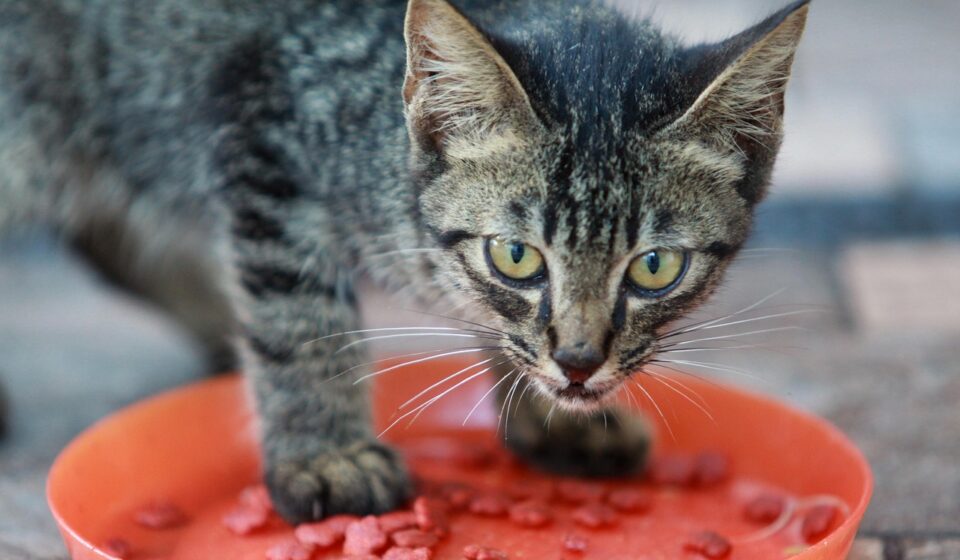

Understanding Elevated Cat Bowls: A 2026 Perspective
For cat owners keen on optimizing their feline’s health and comfort during mealtime, elevated cat bowl have emerged as a popular and beneficial solution. As of May 2026, these raised feeding stations are widely recognized for their potential to alleviate common issues like indigestion, neck discomfort, and even whisker fatigue, offering a more natural and comfortable dining experience for your beloved pet.
Last updated: May 30, 2026
- Elevated cat bowls promote better posture and digestion by raising food and water to a more natural height.
- They can significantly reduce neck, shoulder, and joint strain, especially beneficial for senior cats or those with mobility issues.
- Choosing the right size, material, and tilt is crucial for maximizing benefits and avoiding potential drawbacks.
- While generally safe, improperly sized or designed bowls can sometimes lead to issues like increased mess or discomfort.
- As of 2026, elevated bowls are a recommended tool for addressing common feline digestive and orthopedic concerns.
Many cat guardians wonder if the trend towards raised feeders is just that—a trend—or if there’s genuine science behind the claims. The answer, supported by veterinary insights and practical observations, points towards tangible advantages. This guide delves deep into the world of elevated cat bowls, exploring their mechanics, benefits, potential downsides, and how to select the ideal setup for your discerning feline companion.
The Science Behind the Sit-Up: Why Elevated Cat Bowls Matter
Cats, by nature, are not designed to stoop low to eat. In the wild, they often consume prey from elevated positions or on the move, a posture that requires less strain on their neck and spine. Traditional floor-level bowls often force them into an unnatural hunch.
This posture can lead to several issues. Firstly, it puts pressure on the cat’s neck, shoulders, and spine, which can be particularly problematic for older cats or those suffering from arthritis or other joint conditions. Secondly, it can slow down digestion. When a cat eats from a lower position, gravity isn’t as effectively aiding the passage of food down the esophagus and into the stomach.
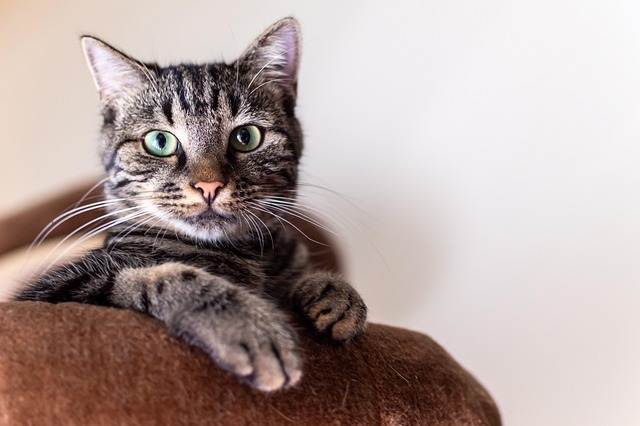
Elevated cat bowls, typically ranging from 3 to 6 inches in height, position the food and water at a level that allows the cat to eat with a more upright stance. This ergonomic shift can facilitate smoother swallowing, reduce the risk of regurgitation, and alleviate strain on the digestive tract, making meal times more comfortable and efficient for your cat.
Key Health Benefits of Raised Feeders for Felines
The advantages of using elevated cat bowls extend beyond mere aesthetics; they directly contribute to a cat’s overall health and well-being. One of the most frequently cited benefits is the improvement in digestion.
According to the American Veterinary Medical Association (AVMA) (2025), proper feeding posture can aid in reducing the symptoms associated with acid reflux and indigestion in pets. By allowing cats to eat in a more upright position, elevated bowls help food travel more easily from the mouth to the stomach. This can be particularly helpful for cats prone to vomiting after meals, as it minimizes the effort required to swallow and reduces the likelihood of food being expelled.
And, elevated feeders significantly benefit cats with orthopedic conditions. For feline companions suffering from arthritis, neck injuries, or other mobility issues, bending down to eat can be painful and challenging. A raised bowl reduces the need for this strenuous movement, allowing them to dine comfortably without exacerbating their pain.
Beyond Digestion: Tackling Whisker Fatigue and Enhancing Hygiene
Another significant, though often overlooked, benefit of elevated cat bowls, particularly those with wider openings, is their ability to combat whisker fatigue. Cats’ whiskers are highly sensitive sensory organs, and when they constantly brush against the sides of a deep, narrow bowl, it can cause discomfort and stress. This is known as whisker fatigue.
Elevated ceramic bowls, for instance, often feature a shallower, wider design that prevents a cat’s whiskers from being constantly pressed against the edges. This creates a more pleasant dining experience and can encourage picky eaters to consume more food. As noted by the ASPCA (2024), comfortable eating conditions can lead to better nutrient intake and overall satisfaction for cats.

From a hygiene perspective, elevated feeders can also offer advantages. Because they are typically off the floor, they are less likely to be contaminated by dust, dirt, or debris tracked in from other areas of the house. Many elevated bowls are also designed for easy cleaning. Ceramic and stainless steel, common materials, are non-porous and easy to wash, reducing the risk of bacterial growth compared to plastic bowls, which can harbor scratches and odors over time. This is particularly important for preventing feline acne, a condition sometimes linked to dirty feeding bowls.
Potential Drawbacks and Important Considerations
While the benefits are substantial, it’s crucial to acknowledge that elevated cat bowls aren’t a universal panacea and can come with their own set of considerations. One primary concern is proper sizing. If an elevated bowl is too tall, it can cause neck strain in the opposite direction. Conversely, if it’s too short, it might not provide enough benefit over a standard bowl.
The World Small Animal Veterinary Association (WSAVA) (2023) recommends that the top of the bowl should generally align with the cat’s elbow height when standing. However, this is a guideline, and individual cat anatomy and breed can necessitate adjustments. For instance, a Maine Coon will require a different height than a Singapore.
Another potential issue is increased mess. Some cats, especially those not accustomed to elevated feeders, might push food out of the bowl more readily. This can be mitigated by choosing bowls with non-slip bases or stands designed to contain spills. While some cats adapt quickly, others may take time to get used to the new feeding setup, requiring patience during the transition.
Choosing the Right Elevated Cat Bowl: A Buyer’s Guide
Selecting the ideal elevated cat bowl involves considering several factors to ensure it meets your cat’s specific needs and your household’s requirements.
Size and Height
As mentioned, height is critical. Measure your cat while they are standing and eating from their current bowl, then add a few inches. A common recommendation is that the bowl’s rim should be roughly level with your cat’s elbow. For most adult cats, this translates to bowls between 3 to 6 inches tall. Adjustable height feeders are also available, offering flexibility as your cat ages or if you have multiple cats of different sizes.
Material Matters
The most popular materials for elevated cat bowls include ceramic, stainless steel, and sometimes melamine or bamboo. Ceramic bowls are often favored for their weight, stability, and ease of cleaning. They are non-porous, meaning they don’t absorb odors or harbor bacteria as easily as plastic. Stainless steel is also durable, hygienic, and easy to sanitize, though some cats may develop chin acne from it.
Melamine bowls are lightweight and often more affordable, but they can be prone to scratching and may leach chemicals if damaged. Bamboo offers an eco-friendly option but can be porous and harder to sanitize thoroughly.
Tilt and Design
Some elevated bowls come with a slight tilt, which can further assist in food flow and reduce neck strain. These are often referred to as tilted cat feeders. Whisker-friendly designs, as discussed, are crucial for cats sensitive to whisker fatigue. Look for bowls that are wide enough to prevent whiskers from touching the sides.
Stability and Ease of Cleaning
A bowl that slides around the floor or tips over easily will frustrate both you and your cat. Opt for feeders with non-slip bases or stands. Also, consider how easy the bowl and its stand are to clean. Detachable bowls that can go into the dishwasher (check manufacturer instructions) are a significant convenience.
Top Elevated Cat Bowls in 2026: Recommendations
As of May 2026, the market offers a wide array of elevated cat bowls, catering to various preferences and budgets. Here are a few types and examples that consistently receive positive reviews:
Ceramic Elevated Bowls
These are often lauded for their aesthetic appeal, stability, and hygiene. Brands like Necoichi offer attractive, well-weighted ceramic bowls that are easy to clean and come in various heights. The Necoichi Extra Wide Ceramic Elevated Cat Food Bowl, for example, is popular for its wide opening and suitable height, minimizing whisker interference.
Stainless Steel Feeders
For durability and ease of sanitization, stainless steel is a strong contender. Many pet supply retailers offer sets like the Frisco Elevated Stainless Steel Dog & Cat Bowl, which provides a simple, effective solution. These are often affordable and strong, though one should monitor for potential chin irritation in sensitive cats.
Tilted and Whisker-Friendly Designs
For cats experiencing digestive issues or whisker sensitivity, specialized designs are key. Bowls with a gentle tilt, like some available from brands such as Mumufy or specific models on Amazon, help food naturally flow towards the cat. Look for descriptions highlighting ‘whisker-friendly’ or ‘anti-vomiting’ features.
Double Bowl Sets
Many elevated feeders come as double bowl sets, allowing you to serve food and water simultaneously. This is convenient and ensures both are at the optimal height. The Happy & Polly Bone China Elevated Double Cat Bowl Set is an example of a stylish, functional option that provides separate compartments for food and water.
Common Mistakes to Avoid with Elevated Cat Bowls
Even with the best intentions, cat owners can make mistakes when introducing or selecting elevated cat bowls. Awareness of these common pitfalls can save you time, money, and ensure your cat benefits fully.
Choosing the Wrong Height
This is perhaps the most common mistake. Owners might guess the height or choose a bowl that’s too tall or too short. Too tall, and it can cause neck strain. Too short, and it offers minimal advantage over floor-level bowls. Always measure your cat or consult breed-specific height recommendations.
Ignoring Material Hygiene
Plastic bowls, even when elevated, can pose hygiene risks. They scratch easily, creating breeding grounds for bacteria, and can contribute to feline acne. Prioritize ceramic or stainless steel for better health outcomes. If you must use plastic, ensure it’s BPA-free and replace it frequently.
Not Considering Whisker Fatigue
Many owners focus solely on height and digestion, forgetting the sensitivity of a cat’s whiskers. Deep, narrow bowls can cause discomfort and stress, leading to a cat avoiding food or eating less. Wide, shallow bowls are generally better for preventing this.
Placing Bowls in High-Traffic Areas
Cats are creatures of habit and prefer quiet, safe spaces for eating. Placing elevated bowls in busy, noisy areas or near their litter box can cause anxiety, leading to reduced food intake or behavioral issues. A calm, accessible location is ideal.
Expecting Instant Results
Some cats may take days or even weeks to adjust to a new feeding station. Impatience can lead to forcing the issue, which can create negative associations with the bowl. Allow your cat to explore and adapt at their own pace, perhaps initially placing a small amount of food in the new bowl to entice them.
Tips for a Successful Transition to Elevated Bowls
Introducing any change in a cat’s environment requires patience and understanding. Here are some tips to make the transition to elevated cat bowls as smooth as possible:
Gradual Introduction
Don’t remove their old bowls overnight. Place the new elevated bowl next to the old one for a few days, allowing your cat to investigate. Once they seem comfortable, you can remove the old bowl.
Positive Reinforcement
Offer praise or a small treat when your cat uses the new elevated bowl. This positive association can help them feel more secure and happy with the change.
Monitor for Discomfort
Keep an eye on your cat during the initial weeks. Watch for any signs of discomfort, hesitation, or increased mess. If issues arise, adjust the height or try a different style of bowl.
Consider Double Bowls
If you’re using separate bowls for food and water, a double elevated feeder can simplify the setup and ensure both are optimally positioned. This is often a good starting point for new users.
Frequently Asked Questions About Elevated Cat Bowls
Are elevated cat bowls truly beneficial for all cats?
While many cats benefit, not all require them. Kittens and healthy adult cats without specific health concerns may be perfectly fine with regular bowls. However, for cats with digestive issues, arthritis, or neck problems, elevated bowls offer significant advantages.
What is the ideal height for an elevated cat bowl?
As of May 2026, veterinary guidance suggests the rim of the bowl should align with the cat’s elbow height when standing. For most adult cats, this is between 3 to 6 inches. Always measure your specific cat for the best fit.
Can elevated bowls help cats that vomit after eating?
Yes, many owners report a reduction in post-meal vomiting with elevated bowls. The upright posture facilitates easier swallowing and digestion, meaning food is less likely to be regurgitated. This aligns with advice from organizations like the ASPCA regarding improved feline digestion.
Are there any safety concerns with elevated cat bowls?
The primary concern is choosing the correct height to avoid neck strain. Also, ensure the material is safe and non-toxic, and that the bowl is stable to prevent tipping. Avoid bowls with sharp edges or small parts that could be a choking hazard.
How do I clean elevated cat bowls?
Most ceramic and stainless steel elevated bowls can be washed by hand with mild soap and water or placed in the dishwasher (check manufacturer instructions). Regular cleaning is essential to prevent bacterial growth and maintain hygiene.
When should I consider an elevated water bowl for my cat?
An elevated water bowl can be beneficial if your cat shows signs of neck discomfort when drinking, or if they are elderly or have mobility issues. It encourages hydration by making the drinking posture more comfortable.
Making Mealtime More Comfortable and Healthy
Elevated cat bowls offer a thoughtful solution for enhancing your cat’s dining experience, promoting better health through improved posture and digestion. By carefully considering the height, material, design, and stability, you can select an option that perfectly suits your feline friend’s needs. As of 2026, these feeders are more than just a trend; they are a practical tool for responsible cat care that can lead to a happier, healthier pet.
Information current as of May 2026; pricing and product details may change.
Related read: Automatic Cat Toys: Keep Your Feline Entertained in 2026
Editorial Note: This article was researched and written by the Pet Magazine editorial team. We fact-check our content and update it regularly. For questions or corrections, contact us.
About The Author