


o calm and cuddly, influenced by genetics and environment.
The Allure of the Grey Tabby: Markings and Genetics
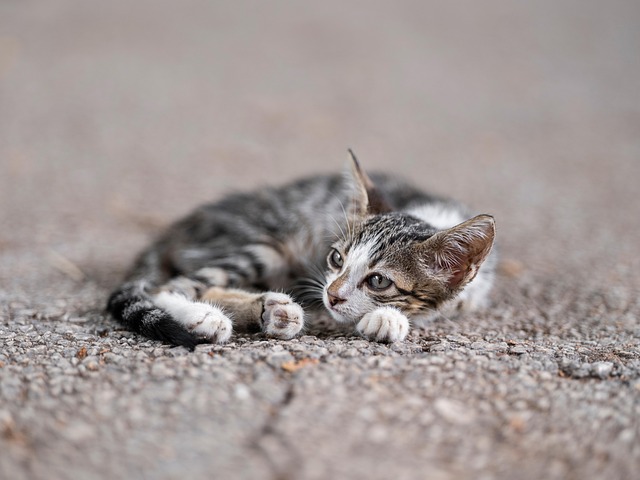
The captivating look of a grey tabby cat kitten isn’t just skin deep; it’s a fascinating display of feline genetics. The term “tabby” itself doesn’t refer to a breed but rather a coat pattern. This pattern is characterized by distinctive markings, including stripes, swirls, dots, or ticked fur, and most famously, the ‘M’ shape on the forehead. The “grey” aspect refers to the base color of the fur, which is typically a blend of silver, charcoal, and black. According to the Cat Fanciers’ Association (CFA), tabby patterns are the most common coat patterns found in domestic cats.
Last updated: June 5, 2026
There are several recognized tabby patterns, and grey kittens can exhibit any of them:
- Mackerel Tabby: This is the most common pattern, resembling a tiger’s stripes. It features narrow, parallel stripes running down the sides of the body.
- Classic (or Blotched) Tabby: This pattern is characterized by bolder, more swirled markings, often creating a “bullseye” effect on the flanks.
- Ticked Tabby: In this pattern, individual hairs have bands of color, giving the cat a flecked or salt-and-pepper appearance. Tabby markings are often still visible on the face, legs, and tail.
- Spotted Tabby: As the name suggests, this pattern features spots rather than stripes. These can be large or small, round or oval.
The genetic mechanism behind the tabby pattern involves the agouti gene, which controls the expression of pigment in the hair shaft. When combined with genes for black pigment (eumelanin), this results in the diverse grey and black markings we see. It’s this genetic lottery that gives each grey tabby kitten its unique coat, making them instantly recognizable yet individually special.

Beyond the Stripes: Personality Traits of Grey Tabby Kittens
While their coats are a defining feature, the personality of a grey tabby cat kitten is what truly shapes the owner-cat bond. It’s a common misconception that coat patterns dictate temperament. In reality, a kitten’s personality is a complex interplay of genetics, breed predispositions (if any), and, crucially, their early life experiences. As of 2026, veterinary behaviorists continue to emphasize that socialization and environment play a monumental role.
Grey tabbies, often being domestic shorthairs or a mix of breeds, tend to exhibit a wide range of temperaments. Many owners report their grey tabbies as being particularly:
- Playful and Energetic: Kittens, in general, are bundles of energy, and grey tabbies are no exception. They often enjoy chasing toys, pouncing, and engaging in mock hunts.
- Affectionate and Cuddly: Many grey tabbies develop strong bonds with their human families and enjoy lap time, purring sessions, and gentle petting.
- Curious and Intelligent: Their intelligence often translates into a curious nature. They may enjoy exploring their surroundings, solving puzzle toys, and learning tricks.
- Independent: Some grey tabbies can also possess a more independent streak, happy to entertain themselves for periods. This doesn’t mean they don’t crave attention, but they might not be as constantly demanding as some other cats.
Practically speaking, the key to understanding any kitten’s temperament lies in observing their interactions from a young age. A kitten that’s comfortable exploring new environments, interacts positively with its littermates and mother, and responds well to gentle human handling is likely to develop into a well-adjusted adult cat. Early socialization, which involves exposing kittens to various sights, sounds, and gentle interactions, is paramount for fostering these positive traits.
The Critical Kitten Phase: Socialization and Early Development
The period between 2 and 7 weeks of age is often referred to as the critical socialization window for kittens. During this time, their brains are rapidly developing, and their experiences profoundly shape their future behavior. For grey tabby cat kittens, as with all kittens, positive exposure during this phase is crucial for them to grow into confident, well-adjusted adult cats.
What does effective socialization look like for a young grey tabby?
- Handling by Humans: Gentle, consistent handling by a variety of people helps kittens become comfortable with human touch and interaction. This includes petting, holding, and playing.
- Exposure to Different Sounds: Gradually introducing kittens to common household noises – the vacuum cleaner, the doorbell, music – can prevent them from becoming fearful of these sounds later in life.
- Interaction with Other Pets: If possible and safe, supervised introductions to calm, vaccinated adult cats or dogs can teach valuable social cues.
- Litter Box Training: Kittens naturally tend to be clean. Providing a clean, accessible litter box from an early age, often with the mother cat’s guidance, usually makes training straightforward.
- Introduction to Play: Engaging kittens in appropriate play with toys helps them develop coordination, burn energy, and learn hunting skills in a safe manner.
What this means in practice is that a responsible breeder or foster parent will be actively working on these aspects. If you are adopting a grey tabby kitten, understanding the environment they came from can provide clues about their current socialization level. A kitten that has been well-socialized will typically be more curious than fearful, more outgoing than shy, and less prone to developing behavioral issues like aggression or excessive anxiety as an adult.
Nourishing Growth: Diet and Nutrition for Grey Tabby Kittens
A grey tabby cat kitten’s rapid growth demands a diet specifically formulated for their nutritional needs. Kitten food is designed to be higher in calories, protein, and essential vitamins and minerals compared to adult cat food. This ensures they have the building blocks for strong bones, healthy organs, and a strong immune system.
When selecting a food, look for options that list a high-quality protein source—like chicken, turkey, or fish—as the first ingredient. As of June 2026, many veterinarians recommend commercially prepared kitten foods that meet the nutritional standards established by the Association of American Feed Control Officials (AAFCO). AAFCO ensures that pet foods provide a complete and balanced diet.
Consider these feeding guidelines:
- Kitten-Specific Formulas: Always choose food labeled for kittens.
- Wet vs. Dry Food: A combination of both can be beneficial. Wet food provides hydration, while dry food can be left out for grazing and may be better for dental health.
- Feeding Schedule: Young kittens (under 6 months) typically need to be fed 3-4 times a day. As they approach maturity, this can be reduced to 2 meals a day.
- Fresh Water: Always ensure a constant supply of fresh, clean water. Some cats prefer running water, making a pet fountain a good investment.
A significant consideration for grey tabby kittens is their tendency to be food-motivated. While this can aid in training, it also means owners must be vigilant about portion control to prevent obesity as they grow. Consulting with your veterinarian about the best diet and portion sizes for your specific kitten is always the most reliable approach.
From a different angle, remember that transitioning between foods should be done gradually over 7-10 days to avoid digestive upset. Mixing a small amount of the new food with the old and slowly increasing the proportion of new food helps their system adapt.
Ensuring a Healthy Life: Veterinary Care and Common Concerns
Welcoming a grey tabby cat kitten into your home means committing to their long-term health and well-being. The first few months are critical, involving initial veterinary visits, vaccinations, and parasite control. According to the American Veterinary Medical Association (AVMA) as of 2026, routine veterinary care is the cornerstone of preventative health for pets.
Key veterinary milestones and concerns for grey tabby kittens include:
- Initial Vet Visit: Within the first week of bringing your kitten home, schedule a check-up. The vet will assess overall health, check for parasites, and discuss a vaccination schedule.
- Vaccinations: Core vaccinations protect against common feline diseases like panleukopenia (feline distemper), feline herpesvirus, and feline calicivirus. Rabies vaccination is also typically required.
- Deworming and Flea/Tick Prevention: Kittens are susceptible to internal and external parasites. Your vet will recommend appropriate treatments.
- Spaying/Neutering: This is usually recommended between 4-6 months of age. It prevents unwanted litters and offers significant health benefits, such as reducing the risk of certain cancers.
- Dental Health: Starting good dental hygiene early, even just by providing appropriate dental treats or food, can prevent future problems.
While grey tabbies are generally a healthy lot, they can be prone to the same common feline ailments as other cats. These might include upper respiratory infections, urinary tract issues, or dental disease later in life. Responsible breeding practices and diligent owner care, including regular check-ups and prompt attention to any signs of illness, are the best ways to mitigate these risks.
What this means in practice is staying observant. Changes in appetite, litter box habits, activity levels, or grooming can all be indicators that something is amiss. Early detection often leads to more successful and less invasive treatments. You can find resources on common feline health issues through organizations like the ASPCA.

Setting the Stage: Preparing Your Home for a Grey Tabby Kitten
Before your grey tabby cat kitten even sets paw in your home, a little preparation can go a long way in ensuring a smooth transition for everyone. Kitten-proofing your living space is essential to keep your new pet safe and to protect your belongings. Think of it as creating a safe, stimulating environment tailored to a curious, energetic young feline.
Here’s a checklist for preparing your home:
- Essential Supplies: Ensure you have food and water bowls, high-quality kitten food, a litter box with appropriate litter, a scratching post or board, a comfortable bed, and a selection of engaging toys.
- Safety First: Secure electrical cords, remove toxic plants (e.g., lilies, poinsettias), store cleaning supplies and medications safely out of reach, and ensure windows and balconies have secure screens.
- Designated Safe Space: Kittens can be overwhelmed by a new environment. Provide a quiet, comfortable space where they can retreat and feel secure, especially during the first few days. This could be a specific room or a cozy corner with their bed and litter box.
- Scratching Posts: Cats have a natural instinct to scratch. Providing appropriate scratching surfaces (vertical and horizontal) can redirect this behavior away from your furniture.
- Play and Enrichment: Kittens need stimulation. Have a variety of toys available, and set aside time each day for interactive play to help them expend energy and bond with you.
Practically speaking, the initial days should focus on helping the kitten acclimate. Keep things calm, introduce them to their litter box and food area, and allow them to explore their safe space at their own pace. Gradually introduce them to other areas of the house and family members (including other pets) as they become more confident.
Adopting Your Grey Tabby Kitten: Shelters vs. Breeders
When it comes to finding your grey tabby cat kitten, you have a couple of primary avenues: adoption from a shelter or rescue organization, or purchasing from a reputable breeder. Both have their merits, but as of June 2026, adoption is widely encouraged by animal welfare organizations like the ASPCA for ethical and practical reasons.
Adoption from Shelters and Rescues:
- Cost-Effective: Adoption fees are typically much lower than breeder prices and often include initial vaccinations, spaying/neutering, and microchipping. Fees can range from $50 to $300 depending on the organization and the kitten’s age.
- Saving a Life: You are providing a loving home to a cat that might otherwise be overlooked. Organizations like Petfinder and Adoptapet.com list thousands of adoptable cats.
- Support: Many shelters and rescues offer post-adoption support, advice, and resources.
- Variety: You’ll find a diverse range of cats, including many mixed breeds that exhibit the grey tabby pattern.
Purchasing from a Reputable Breeder:
- Breed Purity: If you are set on a specific breed known for grey tabby coloring (like a British Shorthair or Russian Blue), a breeder can provide a kitten with documented lineage.
- Health Guarantees: Reputable breeders often provide health guarantees and extensive health testing of parent cats.
- Higher Cost: Prices from breeders can range from $500 to $3,000 or more, depending on the breed, pedigree, and breeder’s reputation.
It’s crucial to thoroughly vet any breeder. A responsible breeder will prioritize the health and well-being of their cats, allow you to meet the kitten’s mother, provide health records, and ask you questions to ensure you are a suitable owner. Avoid breeders who seem evasive, keep cats in poor conditions, or sell kittens too young.
For those seeking a grey tabby, shelters often have kittens with this common and beloved pattern. Rescueme.org, for instance, lists many cats needing homes. The ASPCA notes that Adopt a Shelter Cat Month (typically October) is a great time to consider adoption, but wonderful cats are available year-round.
Common Pitfalls: What New Owners Should Avoid
Even with the best intentions, new grey tabby cat kitten owners can sometimes fall into common traps. Being aware of these potential pitfalls can help you Handle the early days and beyond with greater success. For example, underestimating the need for immediate veterinary care is a frequent oversight.
Here are some common mistakes to avoid:
- Skipping Initial Vet Visits: Delaying the first veterinary check-up can mean missing early signs of health issues or delaying crucial vaccinations and parasite treatments.
- Inadequate Socialization: Not dedicating enough time to socializing your kitten during the critical 2-7 week window can lead to fearfulness or aggression in adulthood.
- Improper Diet: Feeding adult cat food to kittens or a low-quality diet can hinder their growth and development, leading to long-term health problems.
- Lack of Enrichment: A bored kitten can become a destructive kitten. Failing to provide adequate toys, scratching posts, and interactive playtime can lead to behavioral issues.
- Overcrowding or Unsafe Environment: A kitten needs a safe, secure space. Introducing them to too many new people, pets, or environments too quickly can cause stress and anxiety.
- Ignoring Scratching Instincts: Not providing appropriate scratching outlets will likely result in your kitten damaging furniture, carpets, or curtains.
What this means in practice is that preparation and consistent effort are key. Researching your kitten’s needs before they arrive and committing to their care routine will save you potential headaches and ensure your grey tabby kitten thrives.
Expert Insights for Your Grey Tabby Kitten’s Journey
Beyond the basics, a few expert tips can elevate your care for a grey tabby cat kitten, ensuring they grow into a happy, healthy, and well-adjusted companion. As of June 2026, feline behaviorists and veterinarians often stress the importance of understanding your cat’s individual needs and providing consistent, positive reinforcement.
Here are some practical tips:
- Use Positive Reinforcement: Reward good behavior with treats, praise, and petting. This is far more effective for training than punishment, which can create fear and anxiety.
- Provide Vertical Space: Cats love to climb and survey their territory from high places. Cat trees, shelves, or even sturdy furniture can provide essential vertical enrichment.
- Rotate Toys: Keep your kitten engaged by rotating their toys every few days. This prevents boredom and keeps playtime exciting.
- Establish a Routine: Cats thrive on routine, especially regarding feeding and playtime. Consistent schedules can help reduce stress and anxiety.
- Invest in Quality Supplies: A good quality litter box, comfortable bed, durable scratching post, and safe toys make a significant difference in your kitten’s comfort and well-being.
- Monitor Their Weight: Overweight cats can develop numerous health issues. Keep an eye on your kitten’s weight as they grow and adjust food portions as recommended by your vet.
A unique insight often shared by experienced owners is the value of simply observing your kitten’s body language. Understanding their cues—whether they’re relaxed, anxious, playful, or seeking attention—allows you to respond appropriately and build a deeper connection. For instance, a slow blink from your kitten is a sign of trust and affection.
Frequently Asked Questions
What is the average lifespan of a grey tabby cat?
As of 2026, indoor grey tabby cats typically enjoy a lifespan of 12 to 18 years. Factors such as diet, veterinary care, genetics, and lifestyle significantly influence their longevity. Responsible ownership can help ensure your feline companion lives a full and healthy life.
Are grey tabby cats more affectionate than other cats?
Affection levels vary greatly among individual cats, regardless of their coat pattern. While many grey tabbies are known for their loving and cuddly nature, this trait is more influenced by genetics, socialization, and individual personality than the tabby pattern itself.
How much do grey tabby cat kittens typically cost?
The cost can vary widely. From shelters or rescues, adoption fees typically range from $50 to $300. Purchasing from a reputable breeder for a specific breed with grey tabby coloring can cost anywhere from $500 to $3,000 or more.
What kind of health problems are common in grey tabby kittens?
Grey tabby kittens, like all kittens, can be prone to common feline issues such as upper respiratory infections, intestinal parasites, and fleas. As they age, they may be susceptible to conditions like dental disease or obesity if not managed properly.
When should I spay or neuter my grey tabby kitten?
Veterinarians generally recommend spaying or neutering kittens between 4 and 6 months of age. This procedure offers numerous health and behavioral benefits and helps prevent unwanted litters, contributing to pet overpopulation control.
What are the different types of grey tabby patterns?
The main grey tabby patterns include Mackerel (tiger stripes), Classic (swirled or blotched), Ticked (banded hairs), and Spotted. Specific genetic factors determins each pattern, resulting in unique markings on each kitten.
Information current as of June 2026; pricing and product details may change.
Editorial Note: This article was researched and written by the Pet Magazine editorial team. We fact-check our content and update it regularly. For questions or corrections, contact us. Knowing how to address grey tabby cat kittens early makes the rest of your plan easier to keep on track.
Related read: Do Cats Have Eyelashes in 2026? The Surprising Truth.
About The Author