
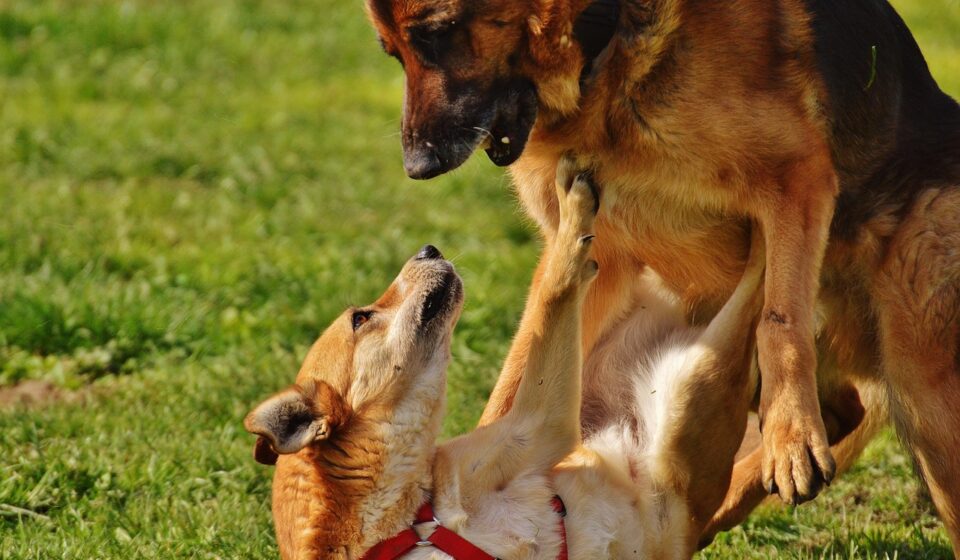

Understanding Shepherd Mix Dog Breeds
For anyone considering a new canine companion, the allure of a shepherd mix dog breed is undeniable. Combining the renowned intelligence and loyalty of classic shepherd breeds with the unique characteristics of other dogs, these mixes often offer an exceptional blend of personality and capability. As of June 2026, interest in these versatile dogs continues too soar.
Last updated: June 11, 2026
But what exactly makes a shepherd mix so special, and how do you choose the right one for your lifestyle? Many popular mixes, like the German Shepherd and Border Collie blend, promise smarts and energy. We’ll explore the diverse world of shepherd mixes, exploring their traits, potential challenges, and what to expect when bringing one into your home.
Key Takeaways
- Shepherd mix dog breeds are known for their intelligence, loyalty, and energetic nature, inherited from parent breeds like German Shepherds or Belgian Malinois.
- Common shepherd mixes include blends with Border Collies, Poodles, Labrador Retrievers, and Australian Shepherds, each offering unique temperaments and needs.
- Proper training and socialization are crucial for shepherd mixes due to their intelligence and potential for strong guardian instincts.
- These dogs typically to require significant physical and mental stimulation to prevent boredom and behavioral issues, making them ideal for active individuals or families.
- Adopting a shepherd mix can provide a loving, intelligent, and adaptable companion for the right owner.
Why Shepherd Mixes Capture Our Hearts
Shepherd breeds, such as the German Shepherd and Belgian Malinois, are celebrated for their sharp minds, unwavering loyalty, and protective instincts. When these traits are combined with those of other breeds, the resulting shepherd mix dog breeds can inherit a fascinating array of characteristics. This often leads to dogs that are not only intelligent and trainable but also adaptable and deeply bonded with their families.
From a different angle, the popularity of mixed-breed dogs has surged, with many owners appreciating the potential for hybrid vigor and unique personalities. Shepherd mixes are at the forefront of this trend, offering a familiar foundation of desirable traits that are then nuanced by their other parent breed.

Popular Shepherd Mix Dog Breeds to consider
The world of shepherd mixes is vast, with countless combinations offering unique personalities. Understanding the parent breeds is key to predicting the traits of their offspring. Here are some of the most sought-after shepherd mix dog breeds:
German Shepherd & Border Collie Mix (e.g., ‘Collie Shepherd’)
This potent combination brings together two of the most intelligent breeds. Expect a highly energetic, smart, and driven dog that excels in activities like agility, obedience, and herding. They require significant mental and physical challenges to thrive and can be prone to herding behaviors if not properly managed.
German Shepherd & Poodle Mix (e.g., ‘Shepherdoodle’ or ‘German Poodle’)
Often sought for their potentially lower-shedding coats, these mixes can inherit the intelligence of both parents. They are typically active and trainable, making them good family pets. However, their energy levels can still be high, and their grooming needs require attention.
German Shepherd & Labrador Retriever Mix (e.g., ‘Labrashepherd’)
This blend often results in a friendly, outgoing, and energetic dog. Labs bring a generally good-natured temperament and enthusiasm for play, which pairs well with the German Shepherd’s loyalty and intelligence. They make great family companions and are often eager to please.
Belgian Malinois & German Shepherd Mix
Combining two high-drive, intelligent, and protective breeds can result in an exceptionally capable dog. These mixes are often used in working roles due to their trainability and intensity. They demand experienced owners who can provide consistent training, socialization, and ample activity.
Decoding the Temperament of Shepherd Mixes
The temperament of any shepherd mix dog breed is a fascinating tapestry woven from the genetics of its parent breeds. While generalizations are tricky, certain tendencies are common. Intelligence is almost always a hallmark; these dogs are quick learners, which is a double-edged sword. They pick up good habits just as fast as bad ones, making early training paramount.
Loyalty and protectiveness are also frequently observed traits. Many shepherd mixes form strong bonds with their families and can be wary of strangers, exhibiting a natural guardian instinct. This means socialization from a young age is crucial to ensure they are well-adjusted and not overly suspicious or reactive.

Essential Training and Socialization Strategies
Given their intelligence and inherent drive, consistent and positive training is non-negotiable for shepherd mix dog breeds. Positive reinforcement methods, like reward-based training, work exceptionally well. They respond best to clear commands and appreciate knowing their role within the family pack.
Early and ongoing socialization is just as vital. Exposing your shepherd mix puppy to a variety of sights, sounds, people, and other animals in a controlled and positive manner helps them develop into confident, well-behaved adults. According to the American Veterinary Society of Animal Behavior (AVSAB), proper socialization between 3 and 16 weeks of age is critical for developing a well-adjusted dog.
For instance, a German Shepherd-Border Collie mix might need structured playdates with calm, vaccinated dogs to learn appropriate social cues, while a German Shepherd-Poodle mix might benefit from exposure to different grooming environments early on to prepare them for regular upkeep.
Meeting the Exercise and Mental Stimulation Demands
Shepherd mix dog breeds are not typically couch potatoes. They often inherit high energy levels and a need for a ‘job’ to do. Daily exercise is essential – think long walks, runs, games of fetch, or even swimming if your dog enjoys it. Without adequate physical outlets, their intelligence can lead them to find their own entertainment, often in destructive ways.
Mental stimulation is equally important. Puzzle toys, scent work, learning new tricks, and engaging in dog sports like agility or fly ball can keep their sharp minds engaged. A mentally stimulated shepherd mix is a happy and well-behaved shepherd mix. As of June 2026, the demand for interactive dog toys designed for intelligent breeds continues to grow, reflecting this need.

Health Considerations for Shepherd Mixes
Like all dogs, shepherd mix dog breeds can be prone to certain health issues, often inherited from their parent breeds. Hip and elbow dysplasia are common concerns, particularly in larger shepherd mixes like German Shepherds. Responsible breeders will screen their dogs for these conditions.
Other potential issues can include bloat (gastric dilatation-volvulus), particularly in deep-chested breeds, and certain eye conditions. According to the American Kennel Club (AKC), German Shepherds have predispositions to hip dysplasia, degenerative myelopathy, and bloat. While mixing breeds can sometimes reduce the incidence of genetic diseases (hybrid vigor), it’s not a guarantee.
Regular veterinary check-ups, a balanced diet, and maintaining a healthy weight are crucial for the longevity and well-being of any shepherd mix. Owners should discuss potential breed-specific health concerns with their veterinarian.
Choosing the Right Shepherd Mix for Your Lifestyle
When selecting a shepherd mix dog breed, consider your own lifestyle honestly. Are you an active individual or family ready for daily exercise and training? Do you have the time for grooming and mental engagement? If you have young children, a mix known for its gentle nature, like a German Shepherd-Labrador Retriever blend, might be a better fit than a high-drive Malinois cross.
Researching the specific parent breeds of the mix you’re interested in is vital. For example, if you’re considering a German Shepherd-Australian Shepherd mix, understand that both breeds are high-energy herders requiring significant activity and mental work. This isn’t a dog for a sedentary lifestyle.
Adoption is also a wonderful route. Many shelters have mixed-breed dogs whose parentage is unknown but exhibit clear shepherd traits. Rescue organizations can often provide insights into a dog’s known temperament and needs, helping you find a suitable match.
A Real-Life Shepherd Mix Story: The Energetic ‘Shepherd-Collie’
Take the case of ‘Max’, a Shepherd-Collie mix adopted by the Miller family in 2026. Max, a vibrant two-year-old, inherited the boundless energy and intelligence of both his German Shepherd and Border Collie parents. The Millers, an active family with two teenagers who enjoy hiking and outdoor sports, found Max to be an exceptional companion.
Initially, Max struggled with ‘herding’ the younger children and barking at the mail carrier. The Millers immediately enrolled him in advanced obedience classes and began a consistent socialization program. They also implemented daily ‘jobs’ for Max, such as retrieving items and participating in agility training in their backyard. This proactive approach helped channel Max’s instincts constructively. According to the Millers, by 2026, Max is a well-adjusted, confident dog who thrives on activity and family interaction, demonstrating the rewards of understanding and managing a high-drive mix.
Pros and Cons of Shepherd Mix Dog Breeds
Pros
- High intelligence and trainability
- Loyal and protective nature
- Adaptable to various activities (agility, herding, family pet)
- Potential for unique and striking appearances
- Deep bond with their families
Cons
- High energy levels requiring significant exercise
- Need for consistent mental stimulation to prevent boredom and destructive behaviors
- Can be prone to guardian instincts, requiring early socialization
- Potential for breed-specific health issues (e.g., hip dysplasia)
- Grooming needs can vary but are often moderate to high
Common Mistakes When Owning a Shepherd Mix
One of the most common mistakes is underestimating their intelligence and energy needs. Owners might assume a standard walk is enough, leading to a bored, destructive dog. Another pitfall is neglecting early socialization, which can result in a fearful or overly territorial adult dog. Some owners also fail to provide consistent training, leading to obedience issues that are difficult to correct later.
For example, someone who adopts a German Shepherd-Australian Shepherd mix expecting a calm lapdog will likely be disappointed and frustrated. The solution lies in acknowledging the breed’s inherent needs and actively working to meet them through training, exercise, and mental engagement. Websites like the American Kennel Club (AKC) offer extensive resources on breed-specific needs, which are invaluable for any prospective owner of a shepherd mix dog breed.
Expert Insights for Shepherd Mix Owners
Experienced trainers often emphasize that shepherd mixes thrive on structure and clear communication. A consistent daily routine, including feeding, exercise, and training sessions, helps these intelligent dogs feel secure and understand their place. Investing in ongoing training, even after puppyhood, can further strengthen your bond and manage any emerging behavioral quirks.
Consider enrolling in advanced obedience classes or exploring dog sports. This not only provides essential physical and mental stimulation but also offers a fantastic bonding opportunity. For instance, a Belgian Malinois mix might excel in protection sports or advanced scent work, channeling their innate drives productively.
What this means in practice: If you’re considering a shepherd mix, be prepared to invest time and effort. The rewards, however, are immense: a devoted, intelligent, and capable companion for years to come.
Frequently Asked Questions
What is the average lifespan of a shepherd mix?
The lifespan of shepherd mix dog breeds typically ranges from 10 to 14 years, though this can vary based on the specific parent breeds, overall health, diet, and lifestyle. Larger mixes might have slightly shorter lifespans than smaller ones.
Are shepherd mixes good for first-time dog owners?
While shepherd mixes are intelligent and trainable, their high energy and need for consistent training and socialization can be challenging for inexperienced owners. Experienced handlers who can provide structure and activity are often better suited.
Do shepherd mixes shed a lot?
Shedding varies greatly depending on the specific mix. Breeds with dense double coats, like German Shepherds, tend to shed moderately to heavily. Mixes with Poodles or other low-shedding breeds may shed less, but it’s not guaranteed.
How much exercise does a shepherd mix need?
Most shepherd mixes require at least 60–90 minutes of vigorous exercise per day, plus significant mental stimulation. This can include brisk walks, running, playing fetch, and engaging in dog sports.
Are shepherd mixes good with children?
When properly socialized from a young age and trained, many shepherd mixes can be excellent family pets and good with children. However, their protective nature means supervision is always recommended, especially with very young children.
Can shepherd mixes be trained for service work?
Yes, their intelligence, loyalty, and trainability make many shepherd mix dog breeds excellent candidates for service, therapy, or emotional support roles. Specific temperament and drive are key factors.
Finding Your Perfect Shepherd Mix Companion
Shepherd mix dog breeds offer a compelling combination of intelligence, loyalty, and energy that makes them incredible companions for the right owners. By understanding their heritage, anticipating their needs for training, socialization, and exercise, and choosing a mix that aligns with your lifestyle, you can welcome a devoted and capable friend into your home.
The journey with a shepherd mix is rewarding, built on mutual understanding and shared activity. Do your research, consider adoption, and prepare for a dog that will undoubtedly enrich your life.
Information current as of June 2026; pricing and product details may change.
Editorial Note: This article was researched and written by the Pet Magazine editorial team. We fact-check our content and update it regularly. For questions or corrections, contact us.
About The Author