
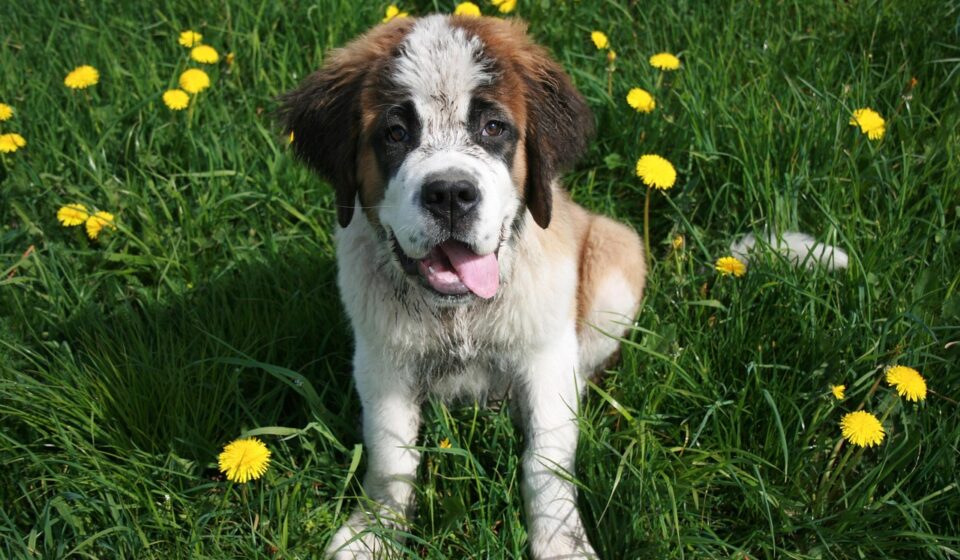

An Enduring Icon of Gentleness
For anyone considering a gentle giant to join their family, the St. Bernard stands out as an iconic choice. As of July 2026, these magnificent dogs continue to capture hearts with their impressive size, and famously placid nature. Originally bred for rescue in the treacherous Great St. Bernard Pass, their history is steeped in courage and compassion. Owning a St. Bernard is a significant commitment, demanding not only space but also a deep understanding of their unique needs, from diet and exercise to health and temperament.
Last updated: July 24, 2026
Most prospective owners don’t realize the sheer volume of food a St. Bernard consumes daily, which can amount to over $200 per month, significantly impacting a household budget. Understanding this financial aspect, alongside their exercise and grooming requirements, is crucial before bringing one home.
- St. Bernards are large, gentle working dogs with a history of rescue, known for their calm temperament.
- They require substantial space, specialized large-breed nutrition, and regular, moderate exercise.
- Common health concerns include hip and elbow dysplasia, bloat, and eye conditions.
- Early socialization and consistent, positive training are vital for managing their size and strength.
- Owning a St. Bernard is a long-term commitment, with potential monthly costs for food, vet care, and grooming exceeding $300.
The Gentle Giant: A Look at St. Bernard Temperament
The St. Bernard is renowned for its sweet, docile, and patient disposition, earning it the moniker “gentle giant.” These dogs are typically calm and good-natured, making them excellent family companions. They form strong bonds with their human families and tend to be very affectionate, often seeking out cuddles despite their imposing size. Their inherent desire to please and their gentle nature make them surprisingly good with children, though supervision is always recommended due to their sheer bulk.
Despite their calm demeanor, St. Bernards are intelligent and can be independent thinkers. Early socialization is paramount to ensure they grow into well-adjusted adults, comfortable around new people, other animals, and various environments. Without proper exposure, their natural wariness can sometimes manifest as shyness or aloofness.

From Alpine Rescuer to Family Companion
The St. Bernard breed traces its origins back to the Swiss Alps, specifically the Great St. Bernard Hospice, founded in the 11th century. Monks at the hospice used these powerful dogs for centuries as companions and, crucially, as rescue dogs, locating and saving travelers lost in snowstorms and avalanches. Their incredible sense of direction, stamina, and ability to withstand harsh weather made them ideally suited for this demanding work.
The breed was nearly wiped out by distemper and harsh winters in the 1800s, but diligent breeding efforts, including outcrossing with Newfoundlands, helped to re-establish the lineage. This infusion is believed to have contributed to the breed’s longer coat and webbed paws. By the late 19th century, the St. Bernard had gained international recognition and popularity as both a working dog and a beloved pet.
According to the American Kennel Club (AKC), the St. Bernard was first recognized by the AKC in 1885, solidifying its place in canine history.
A Colossus of Canines
The St. Bernard is one of the largest dog breeds in the world, characterized by its immense size, powerful build, and imposing head. Males typically stand 28 to 30 inches tall at the shoulder and weigh between 140 to 180 pounds (63-81 kg), while females are usually 26 to 28 inches tall and weigh 120 to 140 pounds (54-63 kg). Some individuals can exceed these averages, truly embodying the “giant” descriptor.
They possess a distinctive appearance with a broad head, deep-set, expressive eyes (often with a slightly droopy lower eyelid), and a powerful muzzle. Their coat can be short and smooth or long and wavy, typically in shades of white with red, brown, or brindle markings. Their large, sturdy frame requires careful attention during growth to prevent skeletal issues.
Meeting the Needs of a Giant Breed
Caring for a St. Bernard involves considerations unique to their size and breed characteristics. Their immense size means they require ample living space, and a securely fenced yard is highly recommended for safe outdoor activity.
Nutrition: Feeding a St. Bernard a diet specifically formulated for large breeds is essential. These diets are designed to support healthy bone and joint development and help prevent rapid growth spurts that can lead to skeletal problems. As of July 2026, high-quality large-breed kibble can cost between $150 to $300 per month, depending on the brand and the dog’s age and activity level. It’s crucial to follow feeding guidelines and monitor their weight to prevent obesity, which can exacerbate joint issues.
Exercise: While not requiring strenuous activity, St. Bernards need regular, moderate exercise to maintain a healthy weight and prevent boredom. Daily walks of 30–60 minutes are generally sufficient. Over-exercising, especially during their rapid growth phase (up to 18-24 months), can be detrimental to their developing joints. Mental stimulation through puzzle toys and training sessions is also important.
Grooming: Their coats, whether short or long, require regular grooming to manage shedding and prevent matting. Brushing several times a week, with daily brushing during shedding seasons (typically spring and fall), is recommended. Regular nail trims, ear cleaning, and dental care are also vital components of their grooming routine. Many owners opt for professional grooming services for their St. Bernards, which can add $50-$150 per month to their care costs.

Common Health Issues in St. Bernards
Like many giant breeds, St. Bernards are predisposed to certain health conditions that prospective owners should be aware of. Responsible breeders screen their dogs for genetic conditions, but vigilance is still required.
Orthopedic Issues: Hip dysplasia and elbow dysplasia are common, where the ball and socket of the hip or elbow joint don’t form correctly, leading to pain and arthritis. Gastric dilatation-volvulus (GDV), or bloat, is a life-threatening condition where the stomach fills with gas and can twist. Feeding smaller, more frequent meals and avoiding strenuous exercise immediately after eating can help mitigate risk.
Other Concerns: Eye conditions such as ectropion (inward rolling of the eyelid) and ectropion (outward rolling of the eyelid) can occur and may require surgical correction. Heart conditions and certain cancers are also seen in the breed. According to the AKC, the average lifespan for a St. Bernard is 8 to 10 years, though some may live longer with excellent care.
Regular veterinary check-ups, prompt attention to any health concerns, and a balanced diet are crucial for ensuring your St. Bernard lives a long and healthy life. Pet insurance is often recommended for giant breeds due to the potential for costly medical interventions.
Raising a Well-Behaved Giant
Training a St. Bernard begins the moment they enter your home. Their intelligence and eagerness to please are assets, but their sheer size means that basic obedience and house-training are non-negotiable. Positive reinforcement methods, using praise and rewards, are most effective. Harsh corrections can be counterproductive and may lead to fear or anxiety.
Key Training Isas:
- House Training: Due to their size, accidents can be significant. Consistency and a regular potty schedule are vital.
- Leash Training: A St. Bernard can pull with immense force. Early leash training, starting with a well-fitting harness designed for large breeds, is crucial.
- Basic Obedience: Commands like “sit,” “stay,” “come,” and “down” are essential for safety and control.
- Socialization: Exposing puppies to a wide variety of sights, sounds, people, and other well-behaved dogs from a young age is critical for developing a stable temperament.
Given their size, it’s advisable to enroll in puppy classes and continue with obedience training throughout their lives. A well-trained St. Bernard is a joy to live with; an untrained one can be a handful.
The Reality of St. Bernard Ownership
Bringing a St. Bernard into your life is a rewarding experience, but it comes with practical realities. They shed moderately year-round, with heavier shedding seasonally. Their droopy jowls mean drool is a common occurrence; keep a “drool rag” handy. They also tend to be quite vocal, with deep barks that can alert you to visitors or perceived threats.
Despite these considerations, the loyalty and affection of a St. Bernard are unparalleled. They are devoted companions who thrive on being part of the family’s activities. Their presence is a constant, comforting reminder of the bond between humans and animals.
From a different angle, prospective owners should research local veterinarians experienced with giant breeds. The cost of medications, surgeries, and routine care can be substantially higher for large dogs. According to industry estimates as of 2026, annual veterinary costs for a St. Bernard can range from $500 to $1,500 or more, depending on health needs.
Pros of Owning a St. Bernard
- Exceptionally gentle and patient disposition.
- Loyal, affectionate, and devoted family companions.
- Good with children when properly socialized and supervised.
- Relatively low exercise requirements compared to other giant breeds.
- Impressive and majestic appearance.
Cons of Owning a St. Bernard
- Require significant living space.
- Prone to drooling and shedding.
- Can be expensive to feed and care for due to size.
- Susceptible to several serious health conditions.
- Need early and consistent socialization and training.
Frequently Asked Questions
Are St. Bernards good with other pets?
Generally, St. Bernards can coexist peacefully with other pets, including dogs and cats, especially if introduced properly and socialized from a young age. Their calm nature often means they are not overly fazed by smaller animals, but supervision is always wise.
How much does a St. Bernard puppy cost in 2026?
The cost of a St. Bernard puppy from a reputable breeder in 2026 can range significantly, typically from $1,500 to $3,000 or more, depending on the breeder’s reputation, lineage, and location. Adoption fees from shelters or rescues are considerably lower.
What is the average lifespan of a St. Bernard?
The average lifespan for a St. Bernard is between 8 to 10 years. Responsible breeding, a high-quality diet, regular exercise, and prompt veterinary care can help them live their longest, healthiest lives.
Do St. Bernards need a lot of exercise?
No, St. Bernards don’t require extensive exercise. Moderate daily walks, usually 30–60 minutes total, are sufficient to keep them healthy and happy. Over-exercising them, particularly when they are young, can harm their developing joints.
Are St. Bernards easy to train?
St. Bernards are intelligent and eager to please, which aids in training. However, their size and strength mean that consistent, positive reinforcement training from puppyhood is essential for good manners and control. They respond best to patient, firm guidance.
How much do St. Bernards shed?
St. Bernards shed moderately year-round. They experience heavier shedding periods, typically in the spring and fall, when they “blow” their coat. Regular brushing helps manage the amount of loose hair in your home.
Embracing the Commitment
The St. Bernard is a magnificent breed that offers immense love and loyalty. Their gentle nature, impressive presence, and historical role as rescuers make them unique companions. However, their significant size, potential health issues, and substantial care requirements mean they are not the right fit for every household. Prospective owners must be prepared for the financial, spatial, and time commitments involved. For those who can provide the right environment and dedicated care, a St. Bernard is an unparalleled friend, a true gentle giant ready to share a lifetime of devotion.
Information current as of July 2026; pricing and product details may change.
About The Author