

The Curious Case of Cats and Spice: It’s Not About Flavor
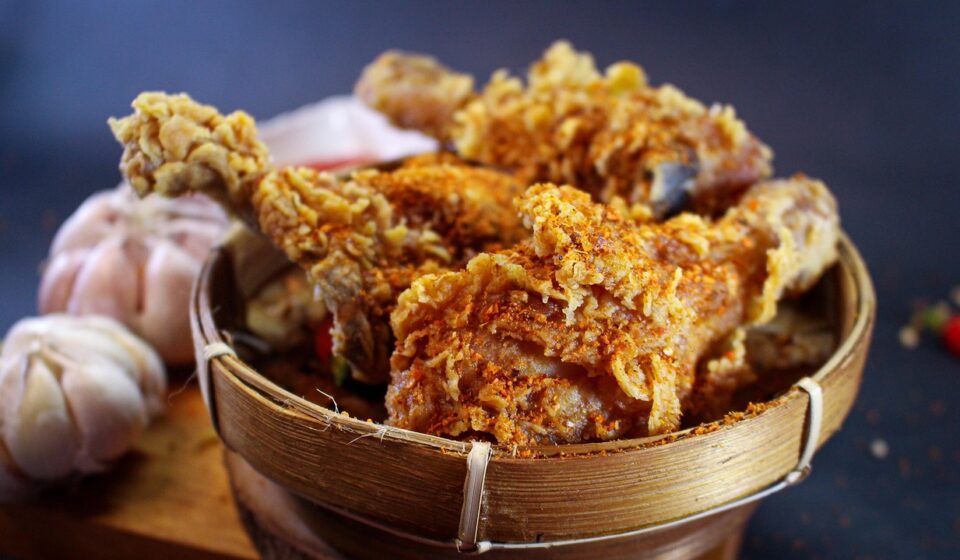
For anyone who’s shared their home with a feline friend, you’ve likely witnessed it: your cat, with an almost uncanny curiosity, sniffing at your plate of spicy curry or a dollop of hot sauce. It’s a common scene that sparks a very specific question: can cats taste spicy food? The immediate assumption might be that they enjoy it, much like some humans do. However, as with many things involving our enigmatic companions, the reality is far more nuanced and, frankly, a little surprising.
Last updated: June 5, 2026
The short answer is no, cats don’t taste ‘spicy’ as a flavor in the way we understand it. Their experience of spicy food is fundamentally different, stemming from a biological wiring that prioritizes survival over gustatory pleasure from heat. This article dives deep into why cats might investigate spicy dishes, what happens if they ingest them, and what this means for their diet and well-being as of June 2026.
Decoding the Feline Palate: A Different World of Taste
To understand why cats don’t taste spice as a flavor, we first need to explore the unique architecture of their taste buds. Unlike humans, who have around 9,000 taste buds, cats possess significantly fewer, estimated to be around 470. This limited number reflects their evolutionary path as obligate carnivores, whose dietary needs and sensory priorities differ drastically from omnivores like us.
Cats have taste receptors for sweetness, sourness, bitterness, and saltiness. However, a crucial difference lies in their genetic makeup regarding sweetness. According to research published in the Journal of Biosciences (2012), cats lack a functional gene (Tas1r2) responsible for detecting sweet tastes. This means they are largely indifferent to sugary foods, a stark contrast to many other mammals, including dogs and humans.
Their palate is finely tuned to detect the specific compounds found in meat – amino acids and proteins. This sensitivity is vital for identifying prey and ensuring they consume the nutrient-rich diet their bodies require to thrive. While we might enjoy a sweet dessert or a savory, spicy meal, a cat’s sensory world is geared towards the primal signals of their natural diet.

Capsaicin: A Sensation of Pain, Not a Flavor Profile
The ‘heat’ we associate with spicy foods, like chili peppers, comes from a compound called capsaicin. When capsaicin comes into contact with our tongues, it binds to specific receptors called TRPV1. These receptors are a type of ion channel, and when activated by capsaicin, they send signals to the brain that we interpret as warmth, burning, and pain. Humans have these TRPV1 receptors, which is why we feel the ‘heat’.
Now, here’s the critical distinction: cats also possess TRPV1 receptors. However, their body uses these receptors primarily to detect physical irritants and potential harm, not as a ‘flavor’ sensor. When a cat encounters capsaicin, it doesn’t register as a delicious, complex flavor profile like it might for a human. Instead, it triggers the same discomfort signals that any other irritant would – a burning sensation in the mouth and throat.
This is a key survival mechanism. As obligate carnivores, cats are naturally wary of things that could be poisonous or harmful. Compounds that cause burning or irritation are generally avoided in the wild. Their TRPV1 receptors act as an early warning system, signaling that something is not right and should be spat out, rather than a delightful taste sensation to be savored.
Why Do Cats Investigate Spicy Food Then? The Mystery Solved
If spicy food causes cats pain and irritation, why do they often sniff and show interest in it? This behavior can be attributed to several factors, all rooted in their curious nature and their unique sensory perception. Firstly, cats explore their environment through scent. The aroma of food, regardless of its potential to cause discomfort, is an immediate point of interest. Your spicy dish might have an intriguing smell, especially if it contains meat-based ingredients or other savory notes that pique their olfactory senses.
Secondly, their limited taste spectrum plays a role. While they don’t taste ‘spicy’ as heat, they do detect other flavor components. If your spicy dish contains savory meat flavors or certain herbs that cats find appealing (in small, non-spicy forms), they might be drawn to the overall food, not specifically the capsaicin. Their curiosity often overrides the potential negative sensation until they actually ingest it.
From a different angle, some cats might be attracted to the texture or the presence of fats and proteins in the food. Their interest is often a broad exploration of potential food sources, and they rely on their senses to investigate. It’s only upon tasting that they receive the ‘danger’ signal from their TRPV1 receptors. This often leads to immediate recoil and a clear aversion after the first, unpleasant experience.
What Happens If a Cat Eats Spicy Food? The Unpleasant Reality
If your cat manages to sneak a lick or a bite of spicy food, the experience is likely to be unpleasant and potentially harmful. The capsaicin will activate those TRPV1 pain receptors in their mouth, throat, and even their digestive tract. This can lead to a range of immediate symptoms, often manifesting as distress and discomfort.
Common reactions include pawing at their mouth, drooling excessively, vomiting, and diarrhea. They might also exhibit signs of oral discomfort, such as meowing excessively, rubbing their face, or refusing to eat or drink. In more severe cases, particularly if a large amount of spicy food is consumed, it can cause significant gastrointestinal upset, leading to pain, cramping, and dehydration.
According to the ASPCA, while the capsaicin itself isn’t inherently toxic in small amounts, the resulting irritation and distress can be significant. The gastrointestinal upset can mimic other serious conditions, sometimes making it difficult for owners to pinpoint the cause without knowing their cat had access to spicy food. It’s crucial to understand that a cat’s digestive system is not equipped to handle the potent compounds found in spicy ingredients.
The Real Dangers: Why Spicy Food Is Unsafe for Felines
While a single lick of a mild salsa might not be life-threatening, consistently offering spicy food or allowing cats access to potent spicy dishes poses significant risks. The primary danger lies in the severe gastrointestinal distress it can cause. Cats are not designed to process capsaicin, and their digestive systems can become inflamed, leading to vomiting, diarrhea, and abdominal pain.
And, spicy foods often contain other ingredients that are toxic to cats. Onions, garlic, and certain spices, common in human spicy dishes, can be poisonous to felines. Garlic and onions, for instance, can damage a cat’s red blood cells, leading to anemia. Even seemingly innocuous spices can cause allergic reactions or digestive upset in sensitive individuals.
A study published by the National Institutes of Health (NIH) in 2026 highlighted the importance of species-specific diets, emphasizing that what is safe for humans can be detrimental to pets. For cats, this means avoiding human foods that are heavily seasoned, especially with heat. The long-term effects of repeated exposure to spicy foods or other irritants are not well-documented but are presumed to be detrimental to a cat’s digestive health and overall well-being.
Beyond Spice: What Flavors Do Cats Actually Enjoy?
Since cats don’t appreciate the ‘heat’ of spicy food, what flavors do they genuinely find appealing? Their preferences are, as expected, geared towards their carnivorous nature. Cats are highly attracted to the rich, savory tastes of protein and fats. This is why high-quality meat-based cat foods are formulated to be irresistible to them.
Meats like chicken, turkey, beef, and fish are typically favorites. The specific aroma and taste compounds in these proteins are what signal a nutritious and desirable meal to a cat. Many cats also enjoy the umami flavor, which is a savory taste associated with proteins and amino acids. This is why many premium cat foods are rich in these complex flavors.
While their taste for sweetness is minimal, they can detect bitterness. However, this is often a sign of something potentially toxic in the wild, so they tend to avoid bitter substances. Their sensitivity to salt is similar to ours, and a small amount can enhance palatability, but too much is detrimental. The key is to provide foods that are nutritionally balanced and cater to their specific biological needs, rather than attempting to introduce human flavor profiles like spiciness.
Debunking Myths: Cats and Their Relationship with Spice
One of the most persistent myths is that cats enjoy or even need spicy food. This often stems from observing their curiosity towards human dishes. As we’ve established, their interest is driven by scent and exploration, not a desire for heat. Their subsequent discomfort is proof that it’s not a pleasurable sensation for them.
Another misconception is that a little bit of spice won’t hurt. While a tiny, accidental lick might not cause immediate severe harm, it’s still a negative experience for the cat and can contribute to digestive upset. Plus, it normalizes risky behavior, potentially encouraging them to seek out such foods again. According to the Veterinary Information Network (VIN) as of 2026, any amount of capsaicin can irritate a cat’s sensitive digestive tract.
Finally, some believe that cats can handle certain spices in moderation. While a few herbs like catnip or parsley (in very small amounts) might be safe or even beneficial, this doesn’t extend to the compounds that make human food ‘spicy.’ The line between a safe herb and a harmful spice is distinct and often misunderstood by pet owners trying to share their meals.
Expert Tips for Keeping Your Cat Safe from Spicy Foods
Ensuring your cat’s safety around spicy foods requires vigilance and education. The most effective strategy is prevention. Always keep spicy foods, condiments, and seasonings out of your cat’s reach. This includes ensuring leftovers are stored securely and that serving dishes are washed promptly after meals.
Educate all household members and guests about the dangers of feeding spicy food to cats. Even well-intentioned individuals might offer a small taste, not realizing the potential harm. Clear communication is key to maintaining a safe environment for your feline companion. If you’re cooking with potent spices, be mindful of your cat’s presence and ensure they don’t have access to stray ingredients or spills.
If you suspect your cat has ingested spicy food, monitor them closely for any signs of distress. If vomiting, diarrhea, excessive drooling, or lethargy occurs, contact your veterinarian immediately. They can provide guidance on managing symptoms and determine if further medical intervention is necessary. Remember, a cat’s health is paramount, and avoiding human spicy foods is a simple yet crucial step in responsible pet ownership.
Frequently Asked Questions About Cats and Spicy Food
Can cats taste spicy food at all?
Cats don’t taste spicy food as a flavor. They have pain receptors that detect capsaicin, the compound in chili peppers, which causes a burning sensation rather than a taste.
Why do cats sniff my spicy food then?
Scent and texture drives their curiosity. The aroma of meat or other appealing ingredients might draw them in, but the ‘heat’ is registered as an irritant upon tasting.
What happens if my cat eats a tiny bit of spicy food?
A very small amount might cause mild oral irritation or a brief bout of vomiting or diarrhea. However, it’s still an unpleasant experience for them and best avoided.
Are any spices safe for cats?
Some herbs, like catnip or parsley, are generally safe in very small quantities. However, spices that create ‘heat’ or are pungent, like chili powder, garlic, and onion powder, are not.
How can I tell if my cat is reacting to spicy food?
Look for signs of distress such as excessive drooling, pawing at the mouth, vomiting, diarrhea, meowing in discomfort, or lethargy.
What should I do if my cat eats spicy food?
Remove any remaining food and contact your veterinarian. Monitor your cat for symptoms of gastrointestinal upset and follow their professional advice for treatment.
The Final Bite: Prioritizing Your Cat’s Palate and Health
Ultimately, the answer to ‘can cats taste spicy’ is a resounding no, at least not as a flavor. Their interaction with spicy elements is a biological reaction to an irritant, not an enjoyment of taste. Understanding this fundamental difference is crucial for ensuring their safety and well-being. By keeping spicy foods out of their reach and focusing on a diet tailored to their carnivorous needs, you can help your feline companion live a happy, healthy life free from unnecessary discomfort.
The most actionable takeaway for any cat owner is simple vigilance: secure your spicy foods, educate your household, and always prioritize your cat’s specific dietary needs over human culinary trends. Their unique sensory world deserves respect and careful consideration.
Information current as of June 2026; pricing and product details may change.
Editorial Note: This article was researched and written by the Pet Magazine editorial team. We fact-check our content and update it regularly. For questions or corrections, contact us. For readers asking “Can cats taste spicy”, the answer comes down to the specific factors covered above.
About The Author