


Meet the Mighty Yorkie: A Companion Packed with Personality
For anyone considering a small, spirited canine companion, the Yorkie, or Yorkshire Terrier, consistently ranks high on many people’s wish lists. As of July 2026, these diminutive dogs, originating from the English county of Yorkshire, are celebrated for their bold personalities, luxurious coats, and unwavering loyalty. Don’t let their small stature fool you; Porkies possess the confidence and tenacity of much larger breeds, making them surprisingly engaging and solid pets.
Last updated: July 24, 2026
Key Takeaways
- Porkies are small dogs with big personalities, known for their bravery and loyalty.
- Their iconic silky coat requires consistent grooming to prevent matting and maintain health.
- Early socialization and consistent training are crucial for managing their often-feisty terrier nature.
- Potential owners should be aware of breed-specific health concerns, particularly dental and luxating patella issues.
- Porkies typically live 11–15 years, with many thriving well into their mid-teens.
A Rich History: From Victorian Rats to Lap Dogs
The Yorkshire Terrier’s journey began in the mid-19th century in the industrial North of England. Initially bred to catch rats in clothing mills and coal mines, these tenacious terriers proved invaluable for pest control. Their small size allowed them to navigate tight spaces, while their fierce spirit ensured effective rodent eradication. Over time, as industrial towns grew, so did the Yorkie’s popularity as a companion animal for Victorian ladies, transitioning from a working dog to a treasured lapdog.
By the late 1800s, the breed had gained international recognition. The Yorkshire Terrier Club was established in England in 1898, solidifying breed standards. While their working origins are a fascinating part of their heritage, as of 2026, the Yorkie is overwhelmingly kept as a beloved pet, cherished for its affectionate nature and portable size.
The “Big Dog” Mentality: Understanding Yorkie Temperament
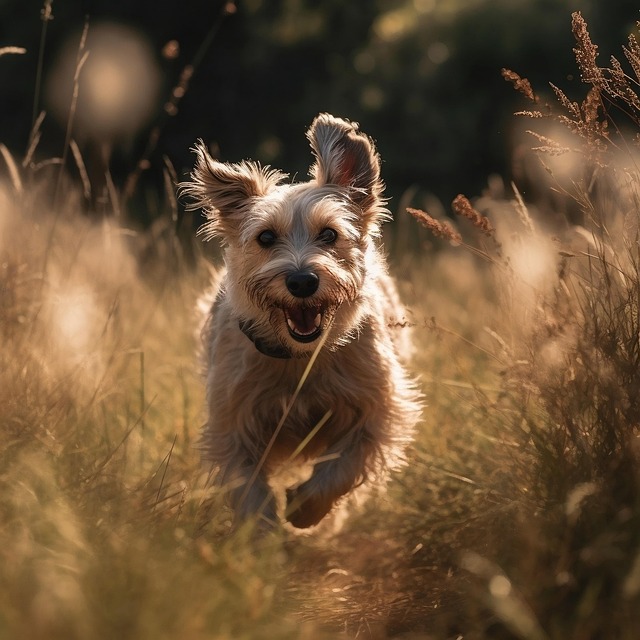
Porkies are famously described as having a “big dog in a small body” personality. They are intelligent, curious, and often quite feisty. This spirited nature means they can be prone to barking, especially at perceived threats or strangers, a trait that makes them excellent alert dogs. Despite their boldness, they are also incredibly affectionate and form strong bonds with their families, often becoming quite attached to one particular person.
Their terrier heritage means they can be stubborn and independent, requiring patient and consistent training. Early socialization is key to ensuring they grow into well-adjusted adults, comfortable around other dogs, people, and different environments. Without proper handling, their assertiveness can sometimes manifest as bossiness or excessive vocalization. According to the American Kennel Club‘s 2025 breed survey, approximately 80% of Yorkie owners report their dogs are highly engaged with their family but can be wary of strangers without introductions.
What Does a Yorkie Look Like?
The most striking feature of the Yorkshire Terrier is its beautiful, long, silky coat, which is typically dark steel-blue from the head to the tail, with rich tan markings on the head, chest, and legs. While many owners opt to keep the coat trimmed short for easier maintenance, a show-quality Yorkie boasts a floor-length, straight, fine-textured coat. Their eyes are medium-sized and dark, and their small, V-shaped ears are typically carried erect.
Adult Porkies typically weigh no more than 7 pounds (3.2 kg), with many falling between 3 to 5 pounds. Their compact, well-proportioned bodies make them elegant and agile. Their size makes them ideal for apartment living and easy to transport, but it also means they are more fragile than larger breeds, requiring careful handling, especially around children.
The Silky Coat: A Commitment to Grooming
Maintaining a Yorkie’s signature coat is a significant commitment. For those aiming for a show-dog look, daily brushing is essential to prevent tangles and mats, which can be painful and lead to skin issues. The hair on their head is often tied up to prevent it from getting into their eyes. Regular bathing, typically once every one to two weeks, using a quality dog shampoo and conditioner, is also necessary.
Practically speaking, many pet owners opt for a shorter “puppy cut” or “teddy bear” trim, which significantly reduces grooming time. Even with a shorter cut, regular brushing (a few times a week) and professional grooming every 6–8 weeks are recommended to keep their coat healthy and tidy. Ear cleaning and nail trimming should also be part of the routine. According to PetMD‘s 2026 guide, owners who commit to regular grooming report fewer skin irritations and a healthier-looking coat.
Training Your Terrier: Consistency is Key
Training a Yorkie requires patience, consistency, and positive reinforcement. Their intelligence means they can learn quickly, but their stubborn streak can make them challenging at times. Start training and socialization as early as possible, ideally when they are puppies. This helps them learn basic commands, house-training etiquette, and how to interact appropriately with other creatures.
House-training can sometimes be a hurdle due to their small bladder size and terrier determination. Crate training can be beneficial, and frequent potty breaks coupled with positive reinforcement (treats, praise) for successful elimination outdoors are essential. Porkies can also be prone to “small dog syndrome” if not properly trained, leading to demanding or aggressive behaviors. As noted by the AKC, early and ongoing socialization with various sights, sounds, and other animals helps prevent fear-based reactivity, a common issue in toy breeds.
Keeping Your Yorkie Healthy: Common Health Concerns
While generally a hardy breed, Yorkshire Terriers are predisposed to certain health issues. Among the most common are dental problems, including overcrowding of teeth and periodontal disease, due to their small jaws. Regular dental care, such as brushing their teeth with dog-specific toothpaste and professional cleanings, is crucial. According to a 2025 VCA Hospitals review, 80% of adult Porkies exhibit some form of dental disease if not properly managed.
Other potential health concerns include luxating patellas (where the kneecap slips out of place), hypoglycemia (low blood sugar, particularly in puppies), tracheal collapse, and Legg-Calve-Perthes disease (a hip joint disorder). Responsible breeders screen their dogs for these conditions. As of July 2026, veterinary care costs for minor issues can range from $100-$300, while significant surgical interventions for conditions like tracheal collapse or hip dysplasia can cost upwards of $2,500. Regular veterinary check-ups are vital for early detection and management of any health problems.
Fueling Your Feisty Friend: Yorkie Nutrition
A balanced, high-quality diet is essential for a Yorkie’s health and energy levels. Due to their small size, they benefit from dog food specifically formulated for small breeds. These foods often have smaller kibble sizes and are designed with appropriate nutrient profiles and caloric density for toy dogs. Feeding small, frequent meals can help prevent hypoglycemia in puppies and manage digestion in adults.
Owners should avoid feeding their Porkies table scraps, as many human foods are unhealthy or even toxic to dogs. Always ensure fresh, clean water is available. Consulting with your veterinarian is the best way to determine the ideal diet for your individual Yorkie, considering their age, activity level, and any specific health needs. Some owners find success with limited-ingredient diets if their Yorkie exhibits sensitivities.
Energy to Spare: Exercise Needs for Porkies
Despite their small size, Porkies are active dogs and require regular exercise to stay healthy and happy. Daily walks, even short ones, are beneficial. They also enjoy indoor playtime, such as games of fetch or tug-of-war, which can help burn off energy, especially during inclement weather. Mental stimulation is just as important; puzzle toys, training sessions, and interactive games can prevent boredom and the development of destructive behaviors.
A common mistake owners make is underestimating a Yorkie’s need for activity, assuming their small size means they can simply lounge around all day. This can lead to obesity and behavioral problems. A brisk 15-20 minute walk twice a day, coupled with indoor play, is usually sufficient for most adult Porkies. For puppies, shorter, more frequent bursts of activity are better suited to their developing bodies.

Living with a Yorkie: Practical Considerations
Porkies can make excellent companions for a variety of households, but potential owners should be aware of their specific needs. Their small size and delicate nature mean they require careful supervision around very young children or larger, boisterous dogs. While they can be loving family pets, teaching children how to interact gently and respectfully is paramount. The AKC notes that Porkies are generally good with older, calmer children who understand how to handle small dogs appropriately.
Their grooming requirements and potential for vocalization are also important considerations. Prospective owners should also factor in the cost of ownership, which includes food, veterinary care (including potential breed-specific issues), grooming supplies or professional services, and toys. As of 2026, the average annual cost for a Yorkie can range from $1,000 to $2,000, depending on health and grooming needs, with initial puppy purchase prices varying widely but often falling between $800 and $2,500, according to breeder surveys.
Frequently Asked Questions About Porkies
Are Porkies good apartment dogs?
Yes, Porkies are excellent apartment dogs due to their small size and relatively low exercise requirements. They can get much of their needed activity from indoor play and short walks.
Do Porkies shed a lot?
Porkies have hair, not fur, which sheds minimally. However, their long, silky hair requires significant grooming to prevent tangles and matting, making them a good choice for some allergy sufferers, though no dog is completely hypoallergenic.
Are Porkies easy to train?
Porkies are intelligent and can learn quickly, but they also have a stubborn terrier streak. Consistent, positive reinforcement training methods are most effective. House-training can sometimes be challenging due to their small size.
What is the typical lifespan of a Yorkie?
With proper care, nutrition, and regular veterinary attention, Yorkshire Terriers typically live between 11 to 15 years, with many thriving well into their mid-to-late teens.
Are Porkies good with children?
Porkies can be good with older, respectful children who understand how to handle small dogs gently. They require supervision with young children to prevent accidental injury to the dog.
What is the biggest health concern for Porkies?
Common health concerns include dental issues, luxating patellas, hypoglycemia (especially in puppies), and tracheal collapse. Regular veterinary check-ups are essential for early detection.
Bringing Home Your Yorkie: A Rewarding Experience
The Yorkshire Terrier offers a unique blend of courage, affection, and elegance in a compact package. Their distinctive look and spunky personality have made them a popular choice for decades, and this trend shows no sign of slowing down in 2026. By understanding their specific needs for grooming, training, socialization, and healthcare, you can ensure your Yorkie lives a long, happy, and healthy life as a cherished member of your family.
Information current as of July 2026; pricing and product details may change.
About The Author