
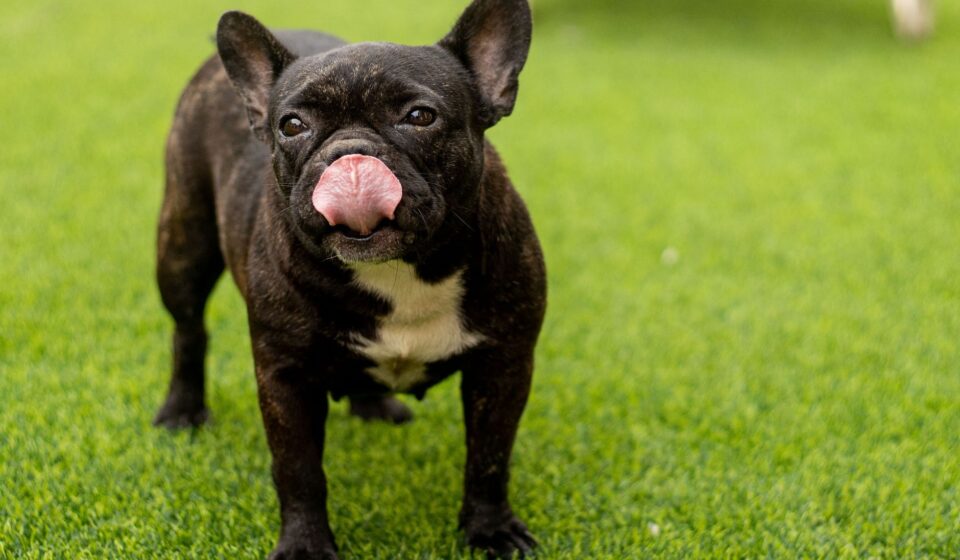

Meet the Adorable Frenchton Dog
This guide covers everything about Frenchton Dog: Traits, Temperament & 2026 Care Guide. For anyone working through the question of which dog breed might be the perfect addition to their family, the Frenchton dog has rapidly become a breed of interest. This charming hybrid, a delightful mix of the Boston Terrier and the French Bulldog, offers a unique blend of traits that appeal to many pet owners. As of June 2026, the Frenchton continues to capture hearts with its playful spirit and affectionate nature.
Last updated: June 11, 2026
Key Takeaways
- The Frenchton is a cross between a Boston Terrier and a French Bulldog, inheriting traits from both.
- They are known for their friendly, adaptable, and often comical personalities.
- Potential owners should be aware of health issues common to brachycephalic breeds.
- Frenchtons require moderate exercise and enjoy social interaction.
- Proper training and socialization are key to a well-adjusted Frenchton.
Where Did the Frenchton Dog Come From?
The Frenchton, a relatively new designer breed, emerged from intentional crossbreeding efforts aiming to combine the best qualities of its parent breeds. The Boston Terrier, often dubbed the “American Gentleman,” brings intelligence and a lively disposition, while the French Bulldog, known for its clownish antics and affectionate lap-dog nature, contributes its laid-back charm. While the exact origins are somewhat hazy, as is common with many designer dogs, breeders in the late 20th and early 21st centuries sought to create a companion dog with a potentially healthier profile than its parent breeds, particularly by reducing some of the extreme brachycephalic (flat-faced) features.
What this means in practice is a dog that often exhibits the Boston’s alertness and trainability alongside the Frenchie’s affectionate cuddliness. This deliberate mix aims for a balanced temperament and a somewhat more moderate physical structure, though individual results can vary widely.
Frenchton Dog Personality: A Blend of Charm and Comedy
Their sociable generally characterizs frenchtons, outgoing, and often humorous personalities. They tend to be very people-oriented, thriving on interaction and forming strong bonds with their families. Their intelligence, inherited from the Boston Terrier side, makes them quite trainable, though they can sometimes inherit a stubborn streak from either parent. This means consistent, positive reinforcement training methods are most effective.
You’ll often find Frenchtons to be adaptable, fitting well into various living situations, including apartments, provided their needs for exercise and mental stimulation are met. They typically get along well with children and other pets, especially when socialized from a young age. Their playful antics can provide endless entertainment, making them a joy to have around. However, like their parent breeds, they can sometimes be prone to separation anxiety if left alone for extended periods.
What Does a Frenchton Look Like?
Visually, the Frenchton is a compact and muscular dog. They typically stand between 11 to 13 inches tall at the shoulder and weigh between 15 to 25 pounds, making them a small to medium-sized companion. Their heads are often a blend, sometimes showing a slightly longer muzzle than a typical French Bulldog, which can be beneficial for breathing, but they still retain that characteristic “smooshed face” appeal.
Their ears are usually erect and bat-like, a common feature in both parent breeds, though the shape can vary. Frenchtons come in a variety of colors, including fawn, brindle, black, white, and combinations thereof, often with markings similar to their Boston Terrier ancestry. Their coats are short, smooth, and easy to maintain.
Understanding Frenchton Health: What to Watch For
As with any breed or hybrid, Frenchtons are prone to certain health issues, many of which are inherited from their parent breeds. A significant concern for brachycephalic breeds is Brachycephalic Obstructive Airway Syndrome (BOAS), which can cause breathing difficulties, especially in warm weather or during strenuous activity. According to the American Kennel Club (AKC), breeds with flattened faces can experience compromised airways, leading to issues like snoring, snorting, and in severe cases, requiring medical intervention.
Other potential health concerns include:
- Hip Dysplasia: A common skeletal condition in many dog breeds.
- Eye Conditions: Such as cataracts, cherry eye, and progressive retinal atrophy.
- Allergies: Skin and food sensitivities can be prevalent.
- Patellar Luxation: A condition where the kneecap slips out of place.
- Spinal Issues: Due to their compact build.
Responsible breeders will screen their dogs for these conditions and can provide health clearances. As of June 2026, many veterinary resources, like those from the AVMA, highlight the importance of monitoring these breeds for respiratory distress and managing their weight to reduce strain on joints and airways. A good owner will prioritize regular vet check-ups to catch any potential issues early.
Daily Life with Your Frenchton Companion
Frenchtons are known for their moderate exercise needs. A daily walk or two, coupled with some playtime in a secure yard or indoors, is usually sufficient to keep them happy and healthy. They aren’t high-energy dogs that require hours of strenuous activity, making them suitable for many lifestyles. However, it’s crucial to avoid overexertion, especially in hot weather, due to their potential breathing issues. Short bursts of play are better than long, intense sessions.
Mentally, Frenchtons benefit from toys that challenge them, such as puzzle feeders or interactive games. Training sessions, kept short and fun, also provide mental stimulation. They are companion dogs through and through and crave being part of the family’s activities. Expect them to want to be wherever you are, often happy to lounge at your feet while you work or watch television.
Grooming Your Frenchton: Simple but Necessary
The Frenchton’s short, smooth coat is relatively low-maintenance. Regular brushing, perhaps once or twice a week, is usually enough to keep their coat healthy and reduce shedding. A good quality brush designed for short coats will work well. Occasional baths, as needed, with a gentle dog shampoo will keep them clean.
Beyond coat care, routine maintenance is essential. This includes regular nail trims to prevent overgrowth, ear cleaning to ward off infections (especially important given their floppy ear shape can trap moisture), and dental care. Brushing their teeth daily or several times a week with dog-specific toothpaste is highly recommended to prevent dental disease, a common issue in smaller breeds. For Frenchtons with more pronounced facial folds, owners should gently clean these areas regularly with a damp cloth to prevent irritation and infection.
Training and Socializing Your Frenchton
Positive reinforcement training is the key to a well-behaved Frenchton. These dogs respond best to praise, treats, and patient guidance. Early socialization is paramount. Exposing your Frenchton puppy to a variety of sights, sounds, people, and other well-behaved dogs from a young age helps them grow into confident, well-adjusted adults. Puppy socialization classes are an excellent way to achieve this in a controlled environment.
Consistency is vital. Housetraining can sometimes be a challenge, as both parent breeds can be a little stubborn. Patience and a strict routine are your best allies. Teaching basic commands like “sit,” “stay,” and “come” not only helps with obedience but also strengthens the bond between you and your dog. Given their desire to please and their intelligence, most Frenchtons are eager learners when approached with positivity.
Is a Frenchton Dog the Right Pet for You?
A Frenchton can be an excellent family pet for the right household. They are generally affectionate, playful, and good with children, making them a popular choice for families. Their relatively small size and moderate exercise needs make them well-suited for apartment living or homes with smaller yards. However, potential owners must be prepared for the potential health concerns associated with brachycephalic breeds. This includes being mindful of the climate, avoiding strenuous exercise in heat, and being ready for potential veterinary costs.
If you’re looking for an intelligent, loving, and entertaining companion that doesn’t require an immense amount of space or rigorous exercise, a Frenchton might be an ideal fit. It’s crucial to find a reputable breeder who prioritizes health and temperament in their breeding program. The American Veterinary Medical Association (AVMA) advises potential owners of brachycephalic breeds to discuss potential health risks and costs thoroughly with their veterinarian before acquiring a dog. As of June 2026, the demand for well-bred Frenchtons remains high.
Frequently Asked Questions
What is a Frenchton dog?
A Frenchton dog is a hybrid breed resulting from the crossbreeding of a Boston Terrier and a French Bulldog, aiming to combine desirable traits from both parent breeds into a single companion animal.
Are Frenchtons good with children?
Yes, Frenchtons are generally known for being friendly and good with children, especially when properly socialized from a young age, making them a suitable family pet.
What are the common health problems for Frenchtons?
Common health issues include those typical of brachycephalic breeds, such as breathing difficulties (BOAS), hip dysplasia, eye conditions, allergies, and patellar luxation.
How much exercise does a Frenchton need?
Frenchtons have moderate exercise needs, typically requiring one to two short daily walks and some playtime. Overexertion, especially in heat, should be avoided.
How much does a Frenchton puppy typically cost in 2026?
As of June 2026, the cost of a Frenchton puppy from a reputable breeder can range from $2,000 to $4,000 or more, depending on bloodlines, breeder reputation, and location.
How much do Frenchtons shed?
Frenchtons have short, smooth coats and are considered moderate to low shedders, requiring regular brushing but generally not excessive grooming.
Bringing Home Your Frenchton
The Frenchton dog offers a delightful blend of personality, companionship, and charm. By understanding their origins, temperament, health needs, and care requirements, prospective owners can make an informed decision. If you’re seeking an affectionate, adaptable, and entertaining canine friend, the Frenchton may just be the perfect addition to your life. Remember to prioritize responsible breeding and be prepared for the commitment of providing a loving and healthy home.
Information current as of June 2026; pricing and product details may change.
Source: Britannica
Related Articles
- African Grey Parrots 2026: The Ultimate Companion Guide
- Beyond the Basics: Your Canine Health Profile in 2026
- Recognizing and Preventing Choking Hazards for Dogs in 2026
Editorial Note: This article was researched and written by the Pet Magazine editorial team. We fact-check our content and update it regularly. For questions or corrections, contact us. Knowing how to address Frenchton Dog: Traits, Temperament & 2026 Care Guide early makes the rest of your plan easier to keep on track.
About The Author