


Elevating Your Dog’s Well-being in 2026
For dog owners committed to providing the very best for their companions, selecting the right care products is paramount. As of May 2026, the market offers an unprecedented array of innovations designed to enhance a dog’s health, happiness, and overall quality of life. From advanced nutritional supplements to latest enrichment toys, the goal is to ensure our furry family members thrive.
Last updated: June 5, 2026
This guide delves into the top-tier dog care products available, focusing on items that deliver tangible benefits, durability, and safety. We’ll explore categories spanning nutrition, grooming, health, comfort, and play, offering insights to help you make informed decisions for your dog’s specific needs.
Key Takeaways
- Prioritise products that address your dog’s specific needs, whether dietary, health, or behavioral.
- Look for durable, safe materials in toys and badding to prevent accidents and ensure longevity.
- Invest in high-quality nutrition and supplements to support overall canine wellness.
- Consider eco-friendly and sustainable options for a positive environmental impact.
- Regular grooming and health checks, supported by the right tools, are crucial for early detection of issues.
Fueling Your Dog: Premium Nutrition and Supplements
Nutrition forms the bedrock of a dog’s health, influencing everything from coat quality to energy levels. As of 2026, the emphasis in dog food has shifted towards highly digestible proteins, limited ingredient diets for sensitive stomachs, and novel protein sources to combat allergies.
When selecting commercial dog food, look for formulations that are DAFCO-compliant, ensuring they meet established nutritional standards. For owners of puppies, specific growth formulas are essential. For senior dogs, joint support and calorie-controlled options can make a significant difference. Prices for high-quality kibble can range from $30 to $80 for a 25-30 lb bag, depending on brand and ingredients.
Beyond primary food, supplements play a crucial role. Omega-3 fatty acids, often derived from fish oil, are vital for skin and coat health, as well as cognitive function. According to the American Kennel Club (AKC) (2025), adding a daily omega-3 supplement can improve coat luster within weeks for many dogs.
Probiotics and prebiotics support a healthy gut microbiome, aiding digestion and nutrient absorption. This is particularly beneficial for dogs with digestive sensitivities or those recovering from illness. Joint supplements containing glucosamine and chondroitin are highly recommended for large breeds and older dogs prone to arthritis. A good quality fish oil supplement typically costs between $20-$40 per month, while probiotics can range from $25-$50.

Keeping Them Tidy: Essential Grooming Tools
Regular grooming is not just about aesthetics; it’s a critical part of maintaining your dog’s health. The right tools can make this process easier and more effective for both pet and owner.
For shedding breeds, investing in a high-quality de-shedding tool, such as a Furminator or a similar undercoat rake, can dramatically reduce loose fur around the house. These tools typically cost between $20-$40 and, when used weekly, can prevent matting and improve air circulation to the skin.
Brushes and combs should be chosen based on coat type. Slicker brushes are effective for removing tangles and loose hair in medium to long coats, while bristle brushes work well for short-haired breeds. Nail clippers, specifically designed for dogs, are essential to prevent overgrowth, which can cause discomfort and mobility issues. Look for clippers with a safety guard to avoid cutting the quick. Professional-grade nail grinders offer a smoother finish and are often quieter, making them suitable for dogs sensitive to noise; these can range from $30-$70.
Shampoos and conditioners should be pH-balanced for dogs, as human products can irritate their skin. Options for sensitive skin, hypoallergenic formulas, or those targeting specific issues like odor or dryness are widely available. A quality dog shampoo typically costs $10-$25.
Health and Safety First: Protecting Your Canine
Ensuring your dog’s safety and health involves proactive measures and reliable products designed for emergencies and everyday well-being.
For walking and outdoor excursions, a well-fitting harness is often preferred over a collar for managing pulling and reducing pressure on the neck. Brands like Ruffwear or Kurgo offer durable, comfortable harnesses with multiple attachment points. A good quality harness can range from $30 to $60.
Identification is non-negotiable. While traditional tags are important, GPS tracking devices for pets have become increasingly sophisticated. These small, attachable devices offer real-time location tracking via a smartphone app, providing immense peace of mind. Prices for these trackers vary, but subscription plans typically range from $5 to $15 per month after an initial device purchase of $50-$150.
First-aid kits specifically curated for pets are a must-have. These should include bandages, antiseptic wipes, gauze, medical tape, and any specific items recommended by your veterinarian. The American Veterinary Medical Association (AVMA) (2024) recommends keeping a pet first-aid kit accessible for minor injuries and emergencies.
For homes with puppies or newly adopted dogs, training aids such as enzymatic cleaners for accidents, puppy pads, and baby gates can be invaluable. Enzymatic cleaners, costing around $10-$20, are crucial for completely eliminating odor molecules that can attract dogs back to the same spot.

Creating a Haven: Comfortable and Supportive Beds
A dog’s bed is more than just a place to sleep; it’s their personal sanctuary. Providing a comfortable, supportive bed is crucial for their physical health and mental well-being, especially for older dogs or those with joint issues.
Orthopedic dog beds, featuring high-density memory foam, are designed to contour to a dog’s body, relieving pressure points and supporting joints. These are particularly beneficial for large breeds and senior dogs experiencing arthritis or hip dysplasia. Brands like Big Barker or Casper offer durable, washable covers and substantial foam bases. Prices for a large orthopedic bed can range from $80 to $200.
For dogs who love to burrow or feel secure, bolstered beds offer a sense of enclosure and a comfortable headrest. These beds often have raised edges that mimic the security of a den. Materials like plush faux fur or durable canvas are common, with washable covers being a significant advantage. A well-made bolstered bed might cost between $50 and $150.
When choosing a bed, consider the size of your dog (they should be able to stretch out fully), their sleeping habits (curled up vs. Sprawled out), and any specific health needs. Washability is key, as beds can accumulate fur, dirt, and odors over time. Look for beds with removable, machine-washable covers for ease of cleaning.
Engaging Minds and Bodies: Toys for Enrichment
Mental stimulation and physical exercise are as vital for a dog’s health as good nutrition. The right toys can prevent boredom, reduce destructive behaviors, and strengthen the bond between dog and owner.
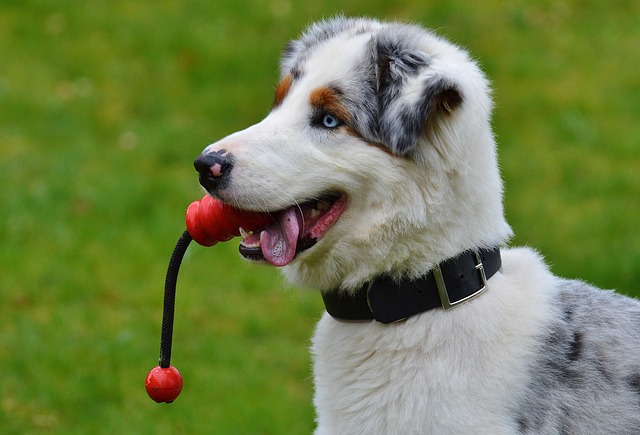
Interactive toys, such as puzzle feeders and treat-dispensing balls, are excellent for engaging a dog’s mind. These toys challenge your dog to figure out how to get to the reward, providing mental enrichment. Brands like KONG and West Paw offer durable options that can be filled with treats or kibble. A KONG Classic can cost around $10-$20, with larger sizes and more complex designs costing more.
For dogs who love to chew, durable chew toys are essential to satisfy their natural urge and keep their teeth clean. Look for toys made from strong, non-toxic materials like natural rubber or reinforced nylon. Brands such as Nylabone and Bene bone offer a variety of shapes and flavors designed for aggressive chewers. Prices range from $8 to $30 depending on size and durability.
Fetch toys, like durable rubber balls or flying discs, encourage physical activity and are great for outdoor play. Ensure the toys are appropriately sized for your dog to prevent choking hazards. According to a 2025 survey by the Pet Industry Association, interactive and durable toys are among the most sought-after products by dog owners seeking to manage their pet’s energy levels.
Sustainable Choices: Eco-Friendly Dog Care Products
Increasingly, pet owners are seeking products that are not only good for their dogs but also for the environment. The market for eco-friendly dog care products is expanding rapidly.
This includes biodegradable poop bags, which are a simple yet significant switch from traditional plastic. Many are made from plant-based materials and break down much faster. A roll of 100 bags might cost $10-$20.
Look for dog beds and toys made from recycled materials, such as recycled plastic bottles or reclaimed fabrics. Some brands are also focusing on sustainable sourcing for natural materials like organic cotton or bamboo. Durability is a key aspect of sustainability; products that last longer reduce waste.
Consider grooming products made with natural, organic, and biodegradable ingredients, free from harsh chemicals like parabens and sulfates. Water-saving grooming tools or concentrated formulas can also contribute to a more sustainable pet care routine.
Making the Right Choices: A Practical Buying Guide
Selecting the best dog care products requires thoughtful consideration of your dog’s individual needs, your lifestyle, and budget.
1. Assess Your Dog’s Specific Needs: Is your dog a puppy, adult, or senior? Do they have allergies, sensitivities, or joint issues? Understanding these factors will guide your choices for food, supplements, and bedding.
2. Consider Breed and Size: A Great Dane has different needs than a Chihuahua. Large breeds require more strong toys and support, while small breeds may need specially formulated food and smaller accessories. According to the ASPCA (2025), breed-specific nutritional needs can vary significantly.
3. Prioritize Safety and Material Quality: Always check product labels for non-toxic materials, especially for toys and beds. Avoid small parts that could be a choking hazard. For grooming tools, ensure they are designed for canine use.
4. Read Reviews and Seek Recommendations: Online reviews from other pet owners and recommendations from veterinarians or trusted friends can provide valuable insights. Websites like Pet MD and consumer review platforms offer extensive feedback.
5. Factor in Durability and Maintenance: Investing in slightly more expensive, durable products can often save money in the long run by reducing the need for frequent replacements. Easy-to-clean items are also a practical consideration.
6. Budget Wisely: While quality is important, you don’t always need the most expensive option. Many excellent, affordable products are available. Look for sales and consider subscription services for regular items like food or treats.
Common Pitfalls in Purchasing Dog Care Items
Navigating the vast market of dog care products can lead to common mistakes that owners should strive to avoid.
One frequent error is selecting toys based solely on perceived durability without considering your dog’s specific chewing style. A toy labelled “tough” might still be destroyed by a truly aggressive chewer, potentially leading to ingestion of harmful materials. Always match toy durability to your dog’s chewing intensity.
Another mistake is overlooking the importance of proper sizing for beds, harnesses, and collars. An ill-fitting bed won’t provide adequate support, and a poorly sized harness can cause chafing or restrict movement. Always measure your dog before purchasing.
Purchasing grooming tools without considering your dog’s coat type is also common. Using a brush designed for short hair on a long-haired breed will be ineffective and may even cause discomfort. Similarly, using a de-shedding tool on a dog with a single coat can be detrimental.
Finally, blindly following trends without considering your dog’s individual needs is a pitfall. A new, “must-have” interactive toy might not suit a dog that prefers quiet comfort or is easily overstimulated. Always prioritise your dog’s temperament and health over marketing hype.
Expert Advice for Optimal Dog Care
Veterinarians and animal behaviorists consistently emphasize a few core principles when it comes to selecting dog care products. Firstly, simplicity and safety often trump complexity. A well-made, non-toxic chew toy is more valuable than a gadget with numerous small parts that could break off.
Secondly, consistency in routines supported by reliable products is key. This applies to feeding schedules with appropriate bowls, regular grooming with effective tools, and consistent training with positive reinforcement aids. For instance, using a slow feeder bowl can help prevent bloat in dogs prone to eating too quickly, a condition that can be life-threatening.
Thirdly, personalization is critical. What works perfectly for one dog may not work for another. Observing your dog’s reactions to different foods, toys, and bedding, and adjusting accordingly, is the hallmark of a great owner. Consider consulting with your veterinarian about specific dietary needs or health concerns, as they can provide tailored product recommendations.
For those interested in advanced canine wellness, exploring products that support cognitive function in senior dogs, such as puzzle toys with varying difficulty levels or specialized supplements, can significantly improve their quality of life. Resources like the American College of Veterinary Nutrition offer guidance on dietary choices.
Frequently Asked Questions
What are the most essential dog care products for a new owner?
For new owners, essentials include high-quality food and water bowls, a comfortable and appropriately sized bed, a safe collar or harness with ID tags, a leash, a basic grooming kit (brush, nail clippers), and a few durable, safe toys for enrichment and teething.
How often should I replace my dog’s toys?
Toy replacement frequency depends on your dog’s chewing habits and the toy’s material. Inspect toys regularly for damage, loose parts, or wear. Replace damaged toys immediately to prevent ingestion of small pieces. Plush toys may last weeks, while durable rubber toys can last months or years with proper care.
Are expensive dog food brands always better?
Not necessarily. While premium brands often use higher-quality ingredients, many reputable mid-range brands also offer complete and balanced nutrition. The best food for your dog depends on their individual needs, breed, age, and any health conditions, rather than just the price tag. Consult your vet.
What are the benefits of using an orthopedic dog bed?
Orthopedic dog beds provide superior joint support and pressure relief, making them ideal for senior dogs, large breeds, or dogs with arthritis. They help alleviate pain and improve sleep quality by contouring to the body and distributing weight evenly.
How can I choose safe chew toys for my dog?
Opt for chew toys made from non-toxic, durable materials like natural rubber or reinforced nylon. Ensure the toy is appropriately sized for your dog to prevent choking hazards and select one that matches their chewing intensity. Avoid toys with small, easily detachable parts.
Are subscription services for dog food and treats worth it?
Subscription services can be convenient for busy owners, often offering discounts and ensuring you never run out of essentials. Assess the cost savings, product selection, flexibility in delivery schedules, and the quality of the food offered before committing.
What is a good starting point for dog grooming tools?
A good starter grooming kit includes a brush suitable for your dog’s coat type (e.g., slicker for long hair, bristle for short), dog-specific nail clippers with a safety guard, and a pH-balanced dog shampoo. Regular use of these tools helps maintain coat health and cleanliness.
Information current as of May 2026; pricing and product details may change.
Related read: Road Trip With Dog Essentials: Your 2026 Checklist
Editorial Note: This article was researched and written by the Pet Magazine editorial team. We fact-check our content and update it regularly. For questions or corrections, contact us. Knowing how to address best dog care products early makes the rest of your plan easier to keep on track.
Related read: Dog Breeds That Don't Shed: Your 2026 Guide to a Fur-Free Home.
Related read: Best Indestructible Dog Toys for Chewers in 2026: Built to Last.
About The Author